This guide was synthesized using the latest legislative data and verified by our editorial board. Laws are subject to change; always consult official sources for final confirmation.
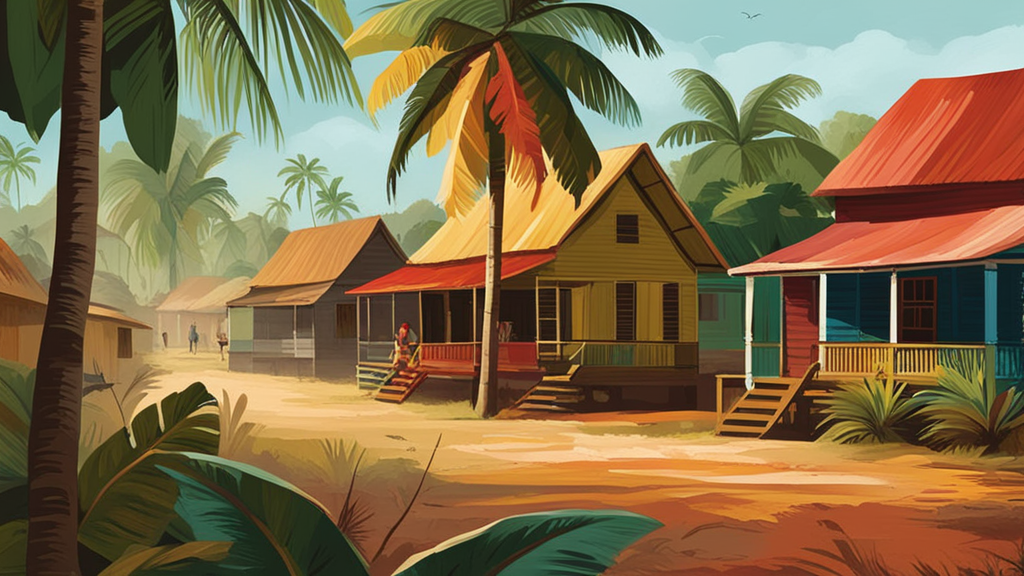
The Saramaka villages along the Upper Suriname River offer a unique glimpse into the rich cultural tapestry of Suriname. Known for their resilience and vibrant traditions, the Saramaka people are one of the Afro-descendant Maroon groups that escaped slavery and established independent communities deep within the rainforest. This guide provides practical insights into visiting these villages, understanding their culture, and navigating the natural beauty of the Upper Suriname River.
Understanding the Saramaka Culture
The Saramaka, also known as the Saamaka, are one of the largest Maroon groups in Suriname, with a significant population residing primarily along the Upper Suriname River. Their culture is a rich blend of African heritage, Indigenous influences, and Dutch colonial history. The Saramaka speak Saramaccan, a creole language that incorporates elements from various West and Central African languages, English, Portuguese, and Amerindian languages.
Traditionally, the Saramaka have maintained a deep connection to their environment, relying on the rainforest for sustenance and medicinal resources. Their agricultural practices often include cassava, plantains, and other tropical fruits. Fishing and hunting are also integral to their lifestyle, with the river providing a source of food and transportation.
Social Structure and Community Life
The Saramaka social structure is organized around family units and extended kinship ties. Each village is typically governed by local leaders who oversee communal affairs and represent the village in broader political matters. Community gatherings often involve vibrant music, dance, and storytelling, which play a significant role in preserving their oral traditions.
Visitors to Saramaka villages can expect to experience these cultural expressions firsthand. Engaging with the locals, participating in traditional ceremonies, or attending a festival can offer invaluable insights into their way of life. It's advisable to approach these interactions with respect and cultural sensitivity, as traditions vary from village to village.
Exploring the Upper Suriname River
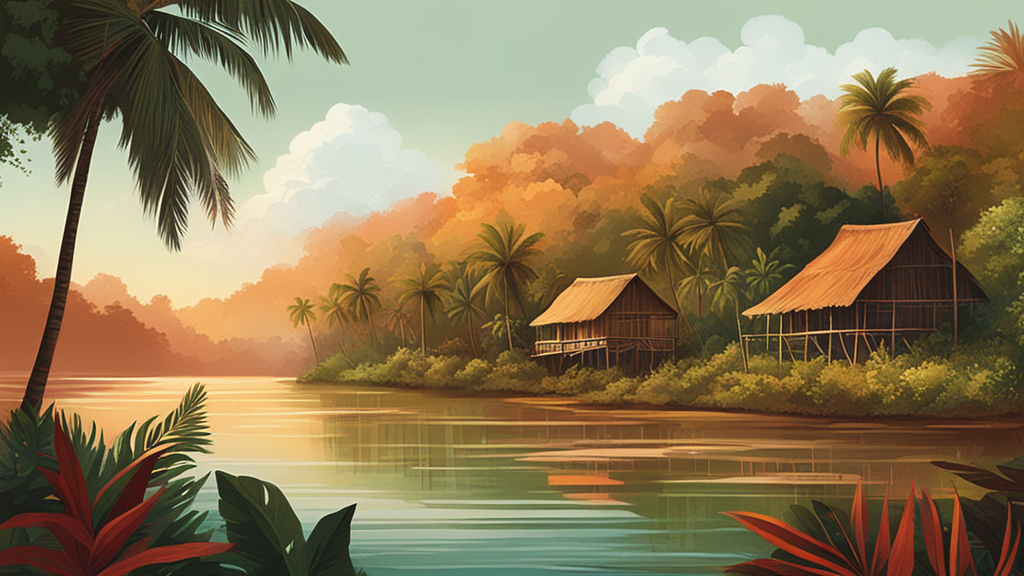
The Upper Suriname River is not just a geographical landmark; it is the lifeblood of the Saramaka communities. The river meanders through dense tropical rainforest, offering stunning views and diverse wildlife. It serves as a primary transportation route for the Saramaka and is essential for trade and communication.
Traveling along the river typically involves small motorboats or canoes, which can be arranged through local guides or community members. The journey itself is an adventure, with opportunities to spot various bird species, monkeys, and even caimans along the banks. Most trips are best undertaken during the dry season when the water levels are more stable, making navigation easier.
Accessing the Villages
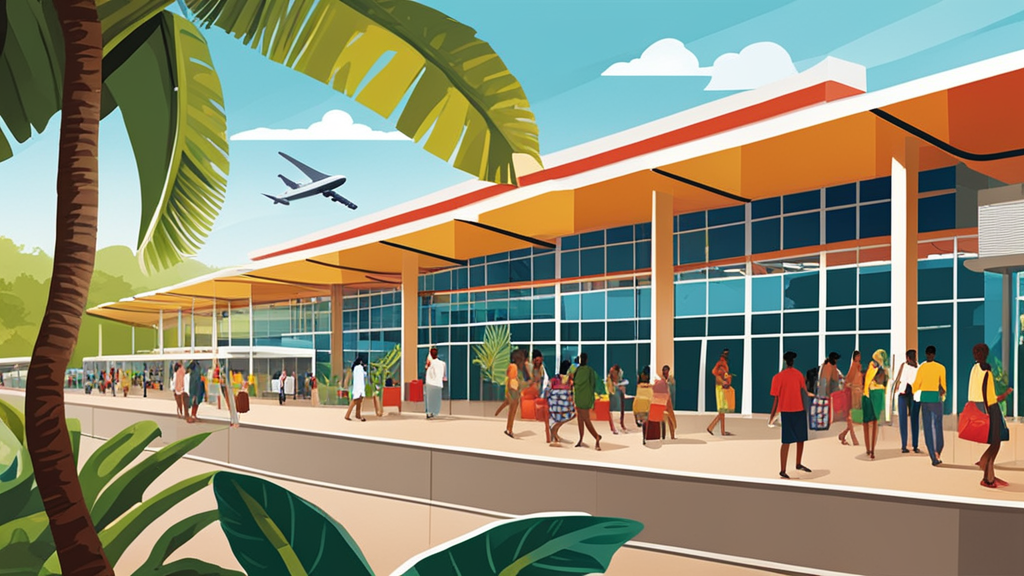
Reaching Saramaka villages can be accomplished from Paramaribo, the capital of Suriname, which is located near Johan Adolf Pengel International Airport. From Paramaribo, expect a travel time of around 1-2 hours by car to reach the river docks. Once at the river, the boat ride to the Saramaka villages can take anywhere from 30 minutes to several hours, depending on the exact location of the village.
It's advisable to coordinate with a local tour operator or directly with the Saramaka community to plan your visit. They can provide insights into the best times to visit and what to expect culturally and logistically. Moreover, engaging with local guides ensures that your visit is respectful and supports the community economically.
Climate Considerations
Suriname has a tropical climate with temperatures typically ranging from 27°C to 32°C (80°F to 90°F) throughout the year. The area experiences two main seasons: the rainy season and the dry season. When planning your trip, consider that the rainy season can lead to increased river levels and potentially hinder travel to the villages.
During the dry season, the weather is more favorable for outdoor activities, and the humidity is generally lower, making it more comfortable for exploration. However, be prepared for sudden rain showers irrespective of the season, as tropical weather can be unpredictable.
Safety in the Villages
Safety is a crucial consideration when visiting Saramaka villages. Generally, the Saramaka are welcoming to visitors, but it is essential to respect local customs and practices. Always ask for permission before taking photographs, especially during ceremonies or private moments. Additionally, staying informed about your surroundings can enhance your experience and ensure your safety.
Travelers should also be mindful of health precautions. Mosquito-borne illnesses are prevalent in tropical regions, so using insect repellent, wearing long sleeves, and staying in well-screened accommodations are advisable. Ensure that your vaccinations are up to date before traveling, and consider consulting with a healthcare professional regarding malaria prophylaxis.
Practical Tips for Expats
For expatriates planning to visit the Saramaka villages, here are some insider tips to enhance your experience:
- Learn Basic Saramaccan Phrases: Familiarizing yourself with a few basic phrases in Saramaccan can go a long way in building rapport with locals. Simple greetings and polite expressions are often appreciated.
- Pack Appropriately: Lightweight, breathable clothing is ideal for the warm climate. Additionally, sturdy footwear is recommended for exploring the villages and surrounding nature.
- Be Respectful of Local Customs: Each village may have its own customs and traditions. Observing and adhering to these practices shows respect and fosters goodwill.
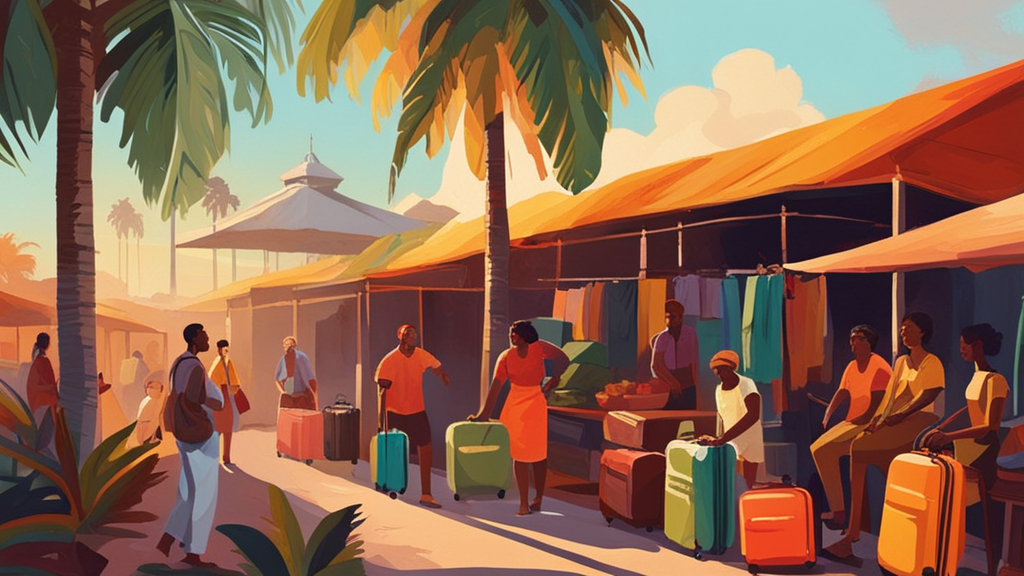
- Support Local Economy: When purchasing souvenirs or food, opt for local artisans and vendors. This not only enriches your experience but also helps sustain the community.
- Stay Connected: Mobile connectivity may be limited in remote areas, so inform someone of your travel plans and expected return time.
Conclusion
The Saramaka villages along the Upper Suriname River offer a unique opportunity to engage with one of Suriname's most vibrant cultures. Understanding the community's heritage, participating in their traditions, and navigating the river will provide a fulfilling and enriching experience. As you plan your journey, keep in mind the practical tips shared in this guide to ensure a safe and respectful visit. The Saramaka not only welcome visitors but also invite you to share in their rich history and culture, making your trip a truly memorable adventure.
AI-Generated Content: This article was created with AI assistance and may contain inaccuracies. Please verify important information with official sources.
Primary Sources
Last updated: September 2026