This guide was synthesized using the latest legislative data and verified by our editorial board. Laws are subject to change; always consult official sources for final confirmation.
Raleighvallen Nature Reserve, nestled in the heart of Suriname, is a breathtaking sanctuary that showcases the country's rich biodiversity. This guide will provide you with valuable insights into the reserve's fauna and flora, how to access it, and tips for making the most of your visit.
Overview of Raleighvallen Nature Reserve
Raleighvallen Nature Reserve spans an impressive 78,170 hectares along the Coppename River, serving as a crucial habitat for countless species. The reserve was established in 1961 and has since become a UNESCO World Heritage site, recognized for its remarkable ecological significance and pristine landscapes. The headquarters of the reserve is located on Fungo Island, a prime spot for visitors eager to explore the surrounding rainforest.
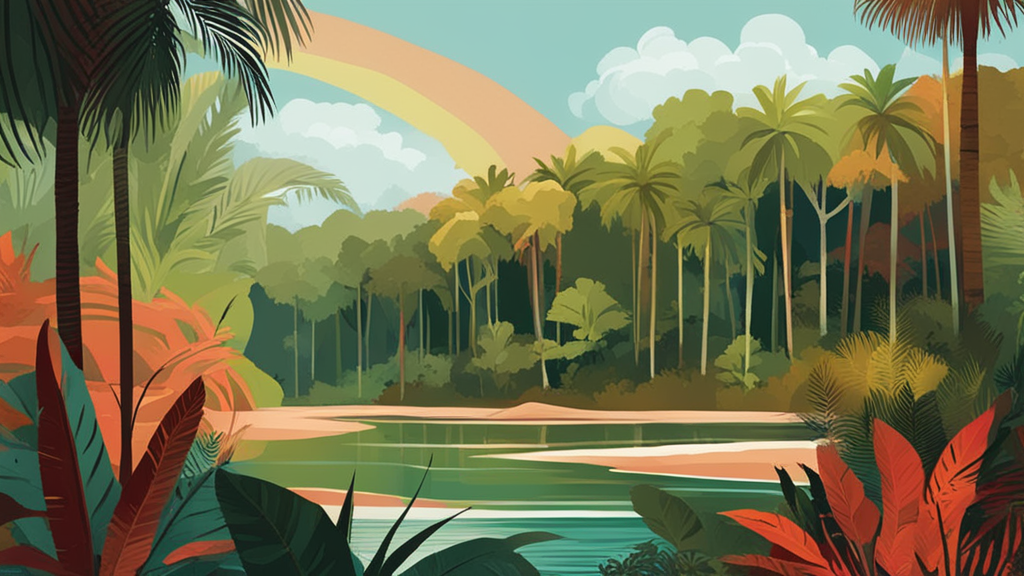
The reserve's geological features include striking granite inselbergs and diverse ecosystems, making it one of the most ecologically diverse areas in Suriname. The terrain varies from lowland forests to mountainous regions, providing a unique habitat for various species. The area's vegetation consists mainly of tropical rainforest, characterized by towering trees, thick underbrush, and a rich variety of plant life.
Flora of Raleighvallen Nature Reserve
Raleighvallen is home to nearly 6,000 species of vascular plants, showcasing a vibrant tapestry of life. The flora includes towering hardwoods, palms, and a wide array of ferns and shrubs. The reserve's unique position within the Guyana Shield gives rise to several distinct ecosystems, from lowland rainforests to montane forests, each hosting its own set of plant species.
Notable plant species include various orchids, bromeliads, and the iconic ceiba tree, which can reach impressive heights. The rich undergrowth is also home to numerous medicinal plants and species that are vital to local wildlife. This abundance of plant life not only supports the ecosystem but also plays a crucial role in carbon sequestration and climate regulation.
Fauna of Raleighvallen Nature Reserve
The wildlife in Raleighvallen Nature Reserve is just as diverse as its plant life. The reserve is renowned for its bird species, boasting over 400 varieties, including toucans, macaws, and the elusive cock-of-the-rock. Many of these birds can be spotted nesting in the trees or soaring through the canopy, providing a spectacular sight for birdwatchers.
In addition to birds, the reserve is home to a variety of mammals, reptiles, and amphibians. Monkeys, such as the spider monkey and howler monkey, are common sights in the treetops, while larger mammals like jaguars and tapirs roam the forest floor. The reserve's waterways also support diverse aquatic life, including fish and reptiles, contributing to the area's rich biodiversity.
Accessing Raleighvallen Nature Reserve
Traveling to Raleighvallen Nature Reserve can be an adventure in itself. The reserve is located approximately 130 to 330 kilometers southwest of Paramaribo, the capital of Suriname. Visitors can reach the reserve by a short flight to the nearest airstrip, followed by a boat ride that typically takes between 3 to 4 hours. This journey allows for stunning views of the surrounding landscape, enhancing the overall experience.
Once at the reserve, transportation options are limited, so it's advisable to plan guided tours or excursions. Many local tour operators offer packages that include transportation, accommodations, and guided hikes, making it easier to navigate the area and ensure a safe experience.
Best Time to Visit
The climate in Raleighvallen is tropical, with temperatures averaging between 27°C to 32°C (80°F to 90°F) year-round. The region experiences two main seasons: a rainy season from April to August and November to February, and a dry season from February to April and August to November. The best time to visit is during the dry season, when trails are more accessible, and wildlife is more easily spotted.
Visitors should prepare for the humidity and occasional rain, even during the dry season. Lightweight, breathable clothing, insect repellent, and sturdy hiking boots are essential for a comfortable visit. Additionally, be sure to carry enough water and snacks, as amenities within the reserve are limited.
Practical Tips for Expats Visiting Raleighvallen
For expatriates planning a trip to Raleighvallen Nature Reserve, here are a few insider tips to enhance your experience:
- Plan Ahead: Book your accommodations and tours in advance, especially during peak tourist seasons.
- Safety First: Always travel with a guide when exploring the reserve, as they can provide valuable knowledge about the flora and fauna and ensure your safety.
- Respect Nature: Follow the reserve’s guidelines to minimize your impact on the environment and preserve its beauty for future visitors.
- Document Your Experience: Bring a good camera or binoculars for birdwatching and capturing the stunning landscapes.
Conclusion
Raleighvallen Nature Reserve is a treasure trove of biodiversity and natural beauty, making it a must-visit destination for nature enthusiasts and expatriates in Suriname. With its rich flora and fauna, breathtaking landscapes, and unique ecosystems, the reserve offers a glimpse into the heart of the Amazonian rainforest. By planning your visit wisely and respecting the natural environment, you can enjoy an unforgettable experience in one of Suriname's most remarkable natural wonders.
AI-Generated Content: This article was created with AI assistance and may contain inaccuracies. Please verify important information with official sources.
Primary Sources
Last updated: September 2026