This guide was synthesized using the latest legislative data and verified by our editorial board. Laws are subject to change; always consult official sources for final confirmation.
For expatriates and families living in Suriname, navigating the culinary landscape can be both an exciting and daunting task, especially for those with gluten sensitivities or food allergies. Suriname's rich cultural tapestry influences its cuisine, offering a variety of options that can accommodate dietary restrictions. This guide will explore where to find gluten-free and allergy-friendly meals, local dishes to try, and tips for sourcing ingredients in this tropical paradise.
Understanding Surinamese Cuisine
Surinamese cuisine is a melting pot of flavors, influenced by its diverse population, including Javanese, Hindustani, Creole, Chinese, and Indigenous peoples. This diversity provides a range of dishes, some of which can easily be adapted for gluten-free diets. For instance, many local dishes feature rice, vegetables, and meats that do not contain gluten. However, it’s essential to be aware of cross-contamination risks, especially in restaurants and markets.
Popular Gluten-Free Dishes
While exploring the local cuisine, you’ll encounter several dishes that are naturally gluten-free or can be made gluten-free upon request. Here are some traditional options to consider:
- Saoto Soup: This Javanese chicken soup is made with spices, herbs, and often served with rice. The broth is typically gluten-free, but verify the ingredients used.
- Pom: A Creole dish made from pomtajer (tayer/malanga root) and chicken. This dish is gluten-free and reflects Portuguese-Jewish influences.
- Herihiri: A dish made from root vegetables, plantains, and salt fish. This is another gluten-free option that showcases Afro-Surinamese culinary traditions.
- Grilled Fish: Freshly caught fish, grilled and seasoned, is a staple in Suriname and is naturally gluten-free.
Restaurants with Gluten-Free Options
Several restaurants in Paramaribo cater to gluten-free and allergy-friendly diners. It’s advisable to communicate your dietary needs clearly to the staff to avoid any cross-contamination. Here are a few places known for their accommodating menus:
- Hard Rock Cafe Suriname: Located in the International Mall, this cafe offers a variety of dishes and holds allergy information for all menu items. You can enjoy classic burgers and salads while ensuring your dietary needs are met.
- Local Javanese Restaurants: Several local eateries serve authentic Javanese dishes such as nasi goreng (fried rice) and mie goreng (fried noodles). Ask for gluten-free soy sauce options to make these dishes safer for consumption.
- Health Food Cafes: Some cafes focus on health-conscious menus and offer gluten-free options. Look for places that emphasize fresh ingredients and local produce.
Shopping for Gluten-Free Ingredients
Finding gluten-free products in Suriname can be challenging, but several markets and stores cater to this need. Here are some tips for sourcing gluten-free ingredients:
Local Markets
Visiting local markets can be an excellent way to find fresh produce and gluten-free staples:
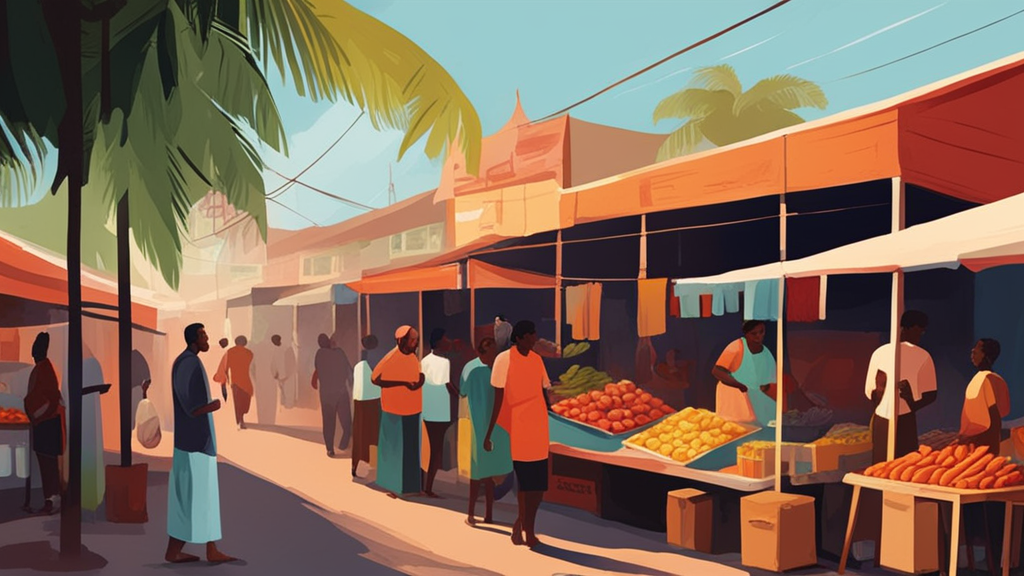
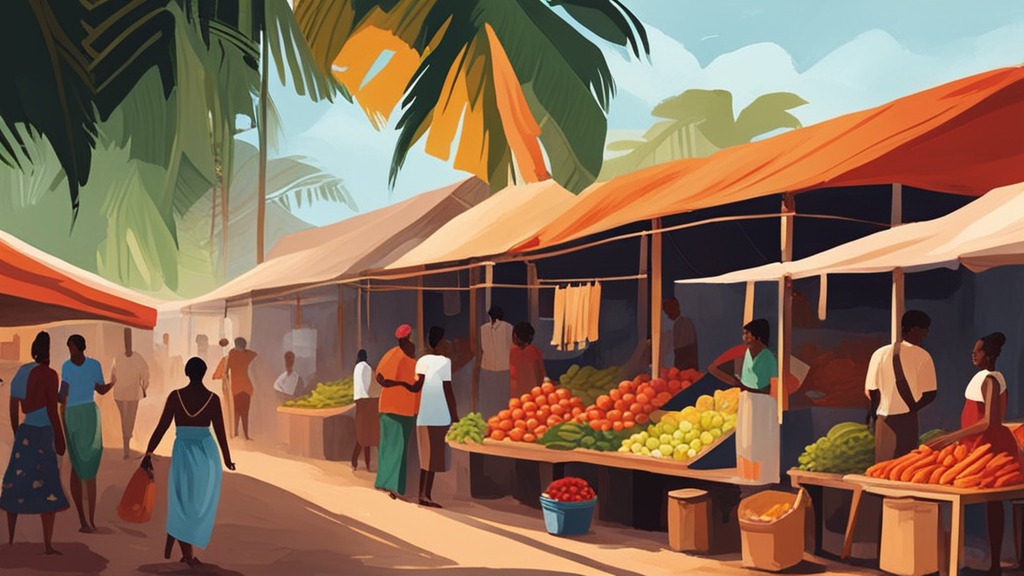
- Central Market: This bustling market in Paramaribo is filled with fresh fruits, vegetables, and local ingredients. You can find root vegetables and fresh fish, which are naturally gluten-free.
- Farmers' Markets: Look for weekend farmers' markets that showcase local produce. These markets often have vendors selling fresh produce and homemade goods, some of which may be gluten-free.
Grocery Stores and Health Shops
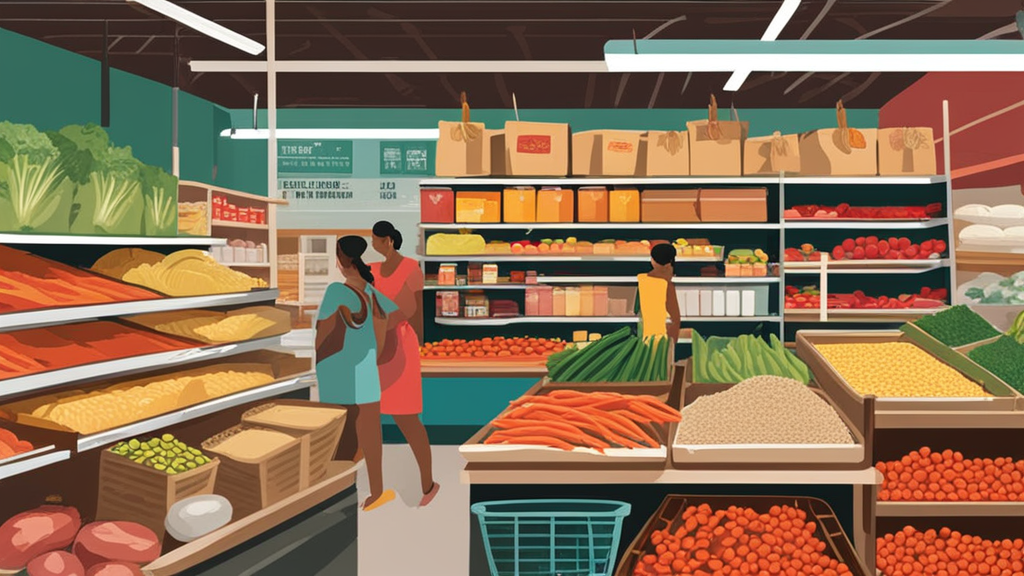
Several grocery stores in Paramaribo stock international products, including gluten-free items:
- Supermarkets: Larger supermarkets may carry gluten-free flours, grains, and packaged goods. Always check labels to ensure they meet your dietary restrictions.
- Health Food Stores: Specialty health food stores often stock gluten-free products, including snacks, cereals, and baking essentials. These shops are worth exploring for expats seeking specific brands or items.
Practical Tips for Expats
Living in Suriname requires some adaptation, especially regarding food. Here are some practical tips to make gluten-free and allergy-friendly dining easier:
Communicate Your Needs
When dining out, always inform your server of your dietary restrictions. Use simple phrases in Dutch or ask if they have an English menu available that specifies gluten-free options. Many staff members are accommodating and willing to help you find safe meals.
Cooking at Home
If you enjoy cooking, consider preparing meals at home where you can control the ingredients. Stock up on gluten-free staples and explore local recipes that can be adapted. Here are some ideas:
- Make your own saoto soup using gluten-free broth and fresh herbs.
- Prepare grilled fish seasoned with local spices and served with a side of fresh vegetables.
- Experiment with local fruits and vegetables in salads or as snacks.
Join Expat Groups
Connecting with other expatriates can provide valuable insights and recommendations for gluten-free dining. Online forums and social media groups often share experiences, tips, and local resources, making it easier to adapt to life in Suriname.
Conclusion
Eating gluten-free and allergy-friendly in Suriname is entirely possible with a bit of research and communication. The diverse culinary influences and availability of fresh ingredients present opportunities to enjoy the local cuisine while adhering to dietary restrictions. By exploring local markets, dining at accommodating restaurants, and engaging with the expat community, you can savor the flavors of Suriname safely and deliciously. Embrace the unique food culture while ensuring that your dietary needs are met, making your stay in Suriname both enjoyable and fulfilling.
AI-Generated Content: This article was created with AI assistance and may contain inaccuracies. Please verify important information with official sources.
Primary Sources
Last updated: October 2026