
This guide was synthesized using the latest legislative data and verified by our editorial board. Laws are subject to change; always consult official sources for final confirmation.
Suriname, a small yet culturally rich country nestled on the northeastern coast of South America, boasts a vibrant tapestry of ethnicities and traditions. For expatriates moving to Suriname, understanding the local attitudes towards foreigners is crucial for successful integration. This article delves into Surinamese perspectives on foreigners, the realities of cultural integration, and practical advice for expats looking to build meaningful connections.
Surinamese Cultural Diversity and Attitudes Towards Foreigners
Suriname is home to a unique blend of cultures, including Hindustani, Maroon, Creole, Javanese, and Indigenous peoples, along with smaller communities of Chinese and other ethnic groups. This rich diversity contributes significantly to the Surinamese outlook on foreigners. Generally, Surinamese people are known for their hospitality and openness. Most locals understand the importance of cultural exchange and are typically welcoming to expatriates.
Historical Context of Foreign Relations
Historically, Suriname has experienced various waves of migration, including the arrival of enslaved Africans, indentured servants from India and Java, and more recent expatriates from the Caribbean and elsewhere. This history has fostered a society accustomed to multiculturalism, which translates into a generally favorable attitude toward newcomers. Many Surinamese people view foreigners as a valuable addition to their society, contributing to the economy, cultural diversity, and social life.
Day-to-Day Interactions with Locals
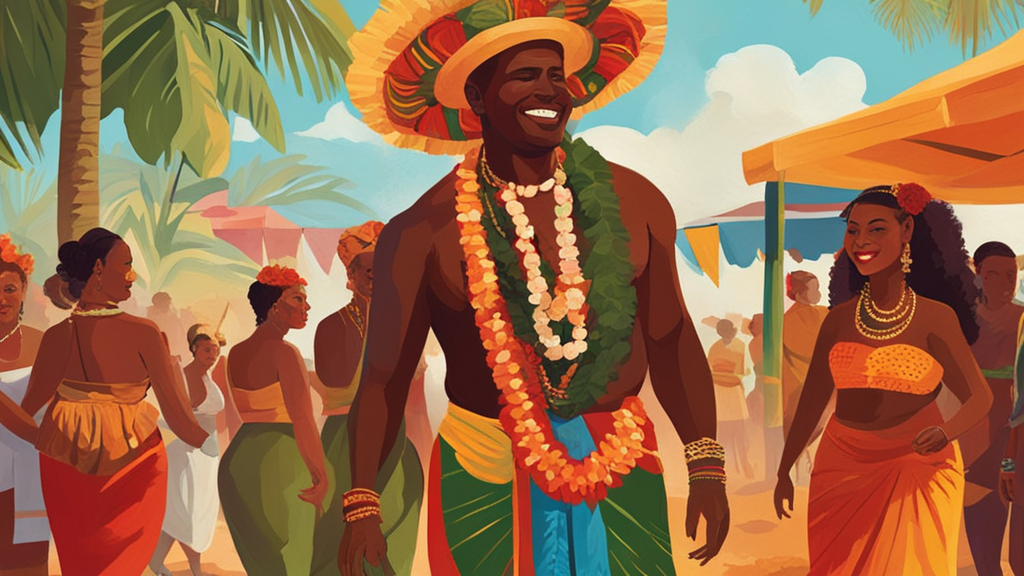
In daily life, expatriates often find that Surinamese individuals are eager to engage in conversations and share their cultural practices. For instance, attending local festivals such as Keti Koti, which commemorates the abolition of slavery on July 1, can be a meaningful way for foreigners to connect with locals. Participating in these events allows expats to gain insights into Surinamese history and traditions while fostering relationships with the community.
Challenges of Integration and Social Dynamics
While the overall attitude towards foreigners is positive, some challenges may arise. Integration can vary depending on the expatriate's background, language skills, and willingness to embrace local customs. Many Surinamese people speak Sranan Tongo, the lingua franca, alongside Dutch, the official language. Expats who make an effort to learn basic phrases in Sranan Tongo or Dutch can significantly enhance their interactions with locals, demonstrating respect and interest in the culture.
Social Circles and Building Relationships
Building social connections can be a gradual process. Surinamese people often have close-knit families and established social circles, which may initially seem exclusive to newcomers. However, once trust is established, expats frequently find themselves welcomed into these circles. Engaging in community activities, such as volunteering for local initiatives or joining clubs focused on shared interests, can facilitate connections and ease the integration process.
Cultural Etiquette and Sensitivities
Understanding cultural etiquette is vital for successful integration. For instance, when attending family gatherings or social events, it is customary to greet everyone present, regardless of familiarity. Additionally, gifts such as sweets or flowers are often appreciated when visiting someone's home. Being mindful of local customs, such as dietary restrictions during Ramadan for Muslims or respecting the traditions of Hindu festivals like Diwali, can further strengthen relationships with Surinamese individuals.
Practical Tips for Expats in Suriname
To navigate the cultural landscape in Suriname effectively, expats can follow these practical tips:
- Learn the Language: Invest time in learning basic Sranan Tongo phrases. This effort can help break down language barriers and create rapport with locals.
- Engage in Local Events: Attend cultural festivities and community gatherings. Events like Phagwa (Holi) and Eid celebrations are excellent opportunities to connect with diverse groups.
- Join Expat Communities: Seek out expatriate groups or forums where you can share experiences, advice, and recommendations with others who have faced similar integration challenges.
- Be Open-Minded: Embrace the diversity of Suriname with an open heart and mind. Approach new experiences with curiosity and a willingness to adapt.
- Respect Local Customs: Familiarize yourself with local traditions and practices. Showing respect for cultural norms will be appreciated and can enhance your relationships.
Experiences of Other Expats
Many expatriates report positive experiences regarding their integration into Surinamese society. For example, one expat shared how participating in a local cooking class not only improved their culinary skills but also led to friendships with local chefs and families. They noted that sharing meals is a profound way to bridge cultural gaps, as food plays a central role in Surinamese hospitality.
Networking Opportunities
Networking can also be beneficial for expats seeking to establish professional connections. Several local organizations and chambers of commerce host events that encourage networking among expatriates and Surinamese professionals. Engaging in these platforms can facilitate career advancement while fostering a deeper understanding of local business practices.
Integration Through Education
Families relocating to Suriname may consider enrolling their children in local schools, which can serve as another avenue for integration. Many schools in Paramaribo emphasize cultural exchange, and children often form friendships with local peers. This exposure can help families understand and appreciate Surinamese culture while easing the transition for children.
Conclusion
In summary, Surinamese people generally exhibit a welcoming attitude towards foreigners, driven by the country’s rich cultural diversity and history of migration. While challenges exist, such as initial social barriers and language differences, expatriates can successfully integrate by embracing local customs, participating in community events, and building relationships with locals. By following practical tips and being open to new experiences, expats can enjoy a fulfilling life in Suriname, contributing positively to the vibrant multicultural society.
AI-Generated Content: This article was created with AI assistance and may contain inaccuracies. Please verify important information with official sources.