
This guide was synthesized using the latest legislative data and verified by our editorial board. Laws are subject to change; always consult official sources for final confirmation.
Relocating to Suriname offers expats a unique opportunity to immerse themselves in a rich and diverse culture. Understanding the local customs and etiquette can greatly enhance your experience and ensure meaningful interactions with the Surinamese people. This article covers essential cultural etiquette tips, highlights significant festivals, and provides practical advice to help expats navigate social situations.
Understanding Suriname's Multicultural Society
Suriname is a melting pot of ethnicities, including Hindustani (approximately 27%), Maroon (22%), Creole (16%), Javanese (14%), Mixed (13%), Indigenous (4%), and Chinese (2%). This diversity shapes the country’s social fabric, influencing everything from language to cuisine, and even daily interactions. Expats should approach this multicultural landscape with an open mind and a willingness to learn about different customs.
The official language is Dutch, but Sranan Tongo serves as the lingua franca. English is also widely spoken, especially in urban areas like Paramaribo. It’s helpful for expats to learn a few common phrases in Sranan Tongo, as this can build rapport and demonstrate respect for local culture. Simple greetings or expressions can go a long way in establishing connections.
Key Cultural Practices and Social Norms
Greetings and Introductions
In Suriname, greetings are an important part of social interactions. A handshake is a common way to greet someone, often accompanied by a smile and direct eye contact. When greeting close friends or family, people may embrace or kiss on the cheek. Expats should be mindful of the context; in more formal situations, a handshake is appropriate, while in casual settings, a hug may be welcomed.
When introduced, it’s customary to address people by their titles, such as Mr., Mrs., or Miss, followed by their last name until invited to use their first name. Understanding this hierarchy is crucial, particularly in professional environments where respect for authority is typically emphasized.
Dining Etiquette
Dining in Suriname can be a communal and social affair. When invited to someone’s home, it is polite to bring a small gift, such as flowers or sweets. Upon entering, it is customary to greet the host and other guests. Additionally, waiting for the host to start the meal before serving yourself is a sign of respect.
During the meal, it’s important to keep your hands above the table and avoid resting them on your lap. Meals often feature traditional dishes influenced by the various ethnic groups, so be prepared to try different flavors. If you have dietary restrictions, communicate them in advance, as Surinamese hospitality typically includes accommodating guests’ needs.
Respecting Religious and Cultural Celebrations
Suriname has several important cultural and religious festivals that reflect its diverse population. Keti Koti, celebrated on July 1, commemorates the abolition of slavery. This significant national holiday includes festivities, parades, and communal gatherings. If you are in Suriname during this time, participating or observing these events can offer valuable insights into the country's history and cultural identity.
Other notable celebrations include Phagwa (Holi), usually in March, celebrated by the Hindustani community, and Diwali, celebrated in October or November. Eid al-Fitr and Eid al-Adha are also observed by the Javanese-Muslim community. Respecting these occasions and acknowledging the significance they hold for the local communities can foster goodwill and mutual respect.
Practical Tips for Navigating Social Interactions
Patience and Flexibility
Surinamese culture is characterized by a laid-back approach to time. Appointments and social gatherings may not start on schedule, so expats should practice patience and flexibility. If someone is running late, it is typically not viewed as disrespectful but rather as a cultural norm. Embracing this relaxed attitude can help expats integrate more smoothly into the local community.
Additionally, be prepared for conversations that may shift topics frequently. Surinamese people enjoy storytelling and often engage in light-hearted banter, which can lead to discussions about various subjects. Participating actively in these conversations can help you build rapport with locals.
Understanding Personal Space and Boundaries
While Surinamese people are generally friendly and open, personal space preferences can vary. In urban settings, it’s common for people to stand closer during conversations, while in rural areas, individuals may prefer a bit more distance. Be attentive to body language and adjust your proximity based on the comfort level of the person you are interacting with.
When discussing sensitive topics, such as politics or religion, approach the conversation with care. While Surinamese people are often open to discussing their beliefs, it’s wise to be respectful and avoid contentious debates, especially with those you do not know well.
What Expats Should Know
Embrace the Local Cuisine
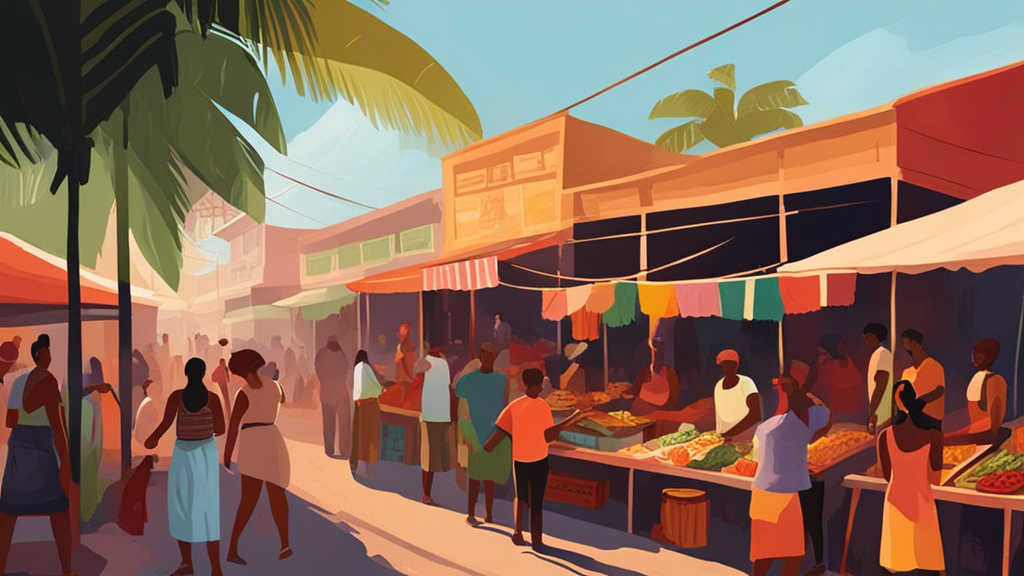
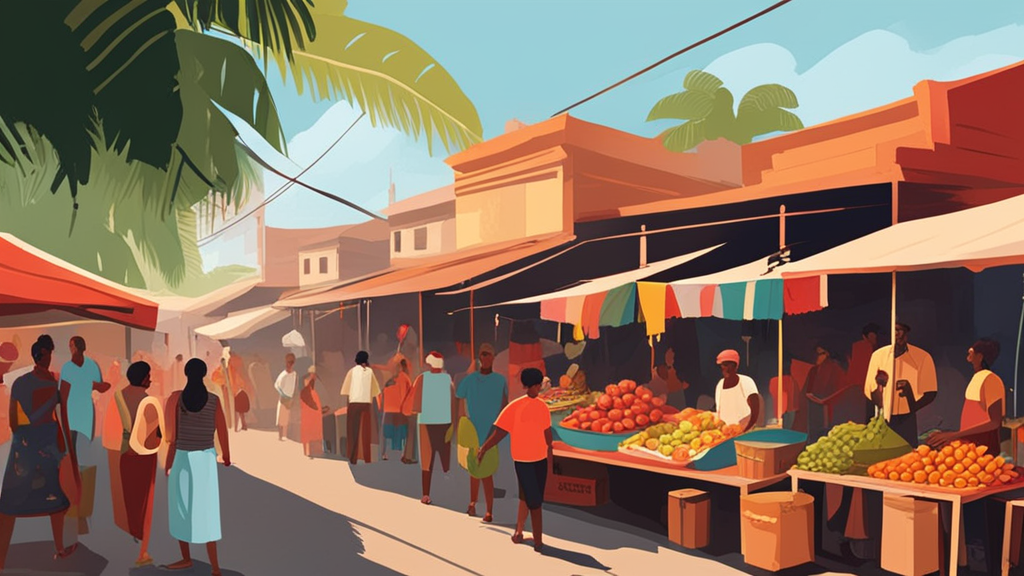
Surinamese cuisine is a delightful blend of flavors influenced by the country’s diverse communities. From spicy Javanese dishes to savory Creole stews, trying local food is a must. Expats should explore local markets and eateries to experience authentic flavors. Being adventurous with food can lead to enjoyable culinary experiences and connections with local chefs and vendors.
Don’t hesitate to ask for recommendations from locals on where to dine or what to try. They can provide insights into hidden gems that may not be listed in tourist guides. Additionally, participating in cooking classes can offer hands-on experience and deeper appreciation for the culinary traditions of Suriname.
Building Relationships with Locals
Building relationships with Surinamese people can take time, but it is worthwhile. Engage in local activities, such as sports, arts, or community events, to meet new people. Expressing genuine interest in their culture and traditions can help bridge the gap between different backgrounds.
Volunteering for local organizations or community projects is another excellent way to connect with others. By contributing your time and skills, you not only give back to the community but also foster friendships and deepen your understanding of Surinamese life.
Conclusion
Understanding the cultural etiquette in Suriname is vital for expats looking to integrate smoothly into this diverse society. By embracing local customs, participating in festivals, and building meaningful relationships, you can create a fulfilling and enriching experience in Suriname. Remember that patience, respect, and an open attitude will help you navigate social interactions and foster connections in this vibrant country.
AI-Generated Content: This article was created with AI assistance and may contain inaccuracies. Please verify important information with official sources.
Last updated: July 2026