This guide was synthesized using the latest legislative data and verified by our editorial board. Laws are subject to change; always consult official sources for final confirmation.
For expatriates living in Suriname, embracing the local cuisine can be one of the most rewarding aspects of your experience. Surinamese food reflects a rich tapestry of cultural influences, including Javanese, Hindustani, Creole, and Indigenous cuisines. In this guide, you will learn about essential ingredients, popular dishes, and practical tips for cooking Surinamese food at home.
Understanding Surinamese Cuisine
Surinamese cuisine is a vibrant fusion of flavors shaped by its diverse cultures. Javanese dishes like Nasi Goreng (fried rice) and Mie Goreng (fried noodles) showcase Indonesian roots, while Hindustani influences are evident in dishes like Roti and Saoto soup. Creole dishes such as Pom and Moksi Alesi highlight the country's mixed heritage, making Surinamese food a unique culinary adventure.
Each dish tells a story of migration and adaptation, as various communities have contributed their traditional ingredients and cooking methods. For expatriates, this offers a fantastic opportunity to explore new flavors and incorporate them into your home cooking. Understanding the core ingredients used in these dishes will help you recreate them authentically.
Essential Ingredients for Surinamese Dishes
Common Staples
When cooking Surinamese food at home, several staples should be part of your pantry. Here are the most essential ingredients:
- Rice: Rice is a fundamental component in Surinamese cuisine, particularly for dishes like Nasi Goreng and Moksi Alesi. Jasmine or long-grain rice is commonly used, and day-old rice is preferred for fried rice dishes.
- Beans: Black beans and brown beans are frequently used in various dishes such as BBR (Brown Beans and Rice). They provide protein and a hearty base for meals. You can find these beans in local markets or grocery stores.
- Meats: Chicken, beef, and salt fish (bakkeljauw) are popular proteins in Surinamese cuisine. Chicken thighs are favored for their flavor, while salt fish is often used in traditional dishes like Heri Heri.
- Vegetables: Common vegetables include onions, tomatoes, bell peppers, green beans, and plantains. These ingredients add color, texture, and nutrition to meals.
- Herbs and Spices: Fresh herbs like parsley and cilantro, along with spices such as garlic, ginger, and bouillon cubes, are essential for flavoring dishes. Kecap manis (sweet soy sauce) is particularly important for fried rice and noodle dishes.
Specialty Ingredients
In addition to common staples, there are several specialty ingredients that enhance the authenticity of Surinamese dishes:
- Trassi (Shrimp Paste): This fermented shrimp product adds depth and umami to dishes like Nasi Goreng. It can be found at local markets or Asian grocery stores in Paramaribo.
- Sambal: A spicy chili paste that complements many dishes. It adds a kick to meals and can be used in marinades or as a condiment.
- Pomtajer (Tayer/Malanga Root): This root vegetable is crucial for making Pom, a traditional Creole dish that combines chicken with a creamy, flavorful base.
- Flat Leaf Parsley: Commonly used for garnishing and adding freshness to various dishes, this herb is widely available in local markets.
Popular Surinamese Dishes to Try at Home
Nasi Goreng
Nasi Goreng, or fried rice, is a beloved dish in Suriname, reflecting its Javanese heritage. Typically made with day-old rice, this dish is flavored with garlic, onion, and kecap manis. It is often served with chicken, fried plantains, and pickled cucumber.
To make Nasi Goreng, you can follow these steps:
- Use day-old rice or cook fresh rice and let it cool.
- In a pan, heat oil and sauté chopped onions, garlic, and ginger.
- Add the rice, along with cooked chicken and vegetables, then stir in kecap manis and trassi for flavor.
- Garnish with fried eggs and serve alongside fried plantains.
Pom
Pom is a traditional Creole dish made with chicken and pomtajer. This oven-baked dish is creamy and rich, with a unique flavor profile that comes from the combination of chicken and the seasoned root vegetable.
To prepare Pom, you will need to:
- Boil the pomtajer until soft, then mash it with spices, including garlic, onion, and bouillon cubes.
- Layer the mashed pomtajer with seasoned chicken in a baking dish.
- Bake until golden brown and serve as a comforting main dish.
Where to Find Ingredients in Suriname
Finding the right ingredients can make or break your cooking experience. Here are some tips on where to shop for Surinamese ingredients:
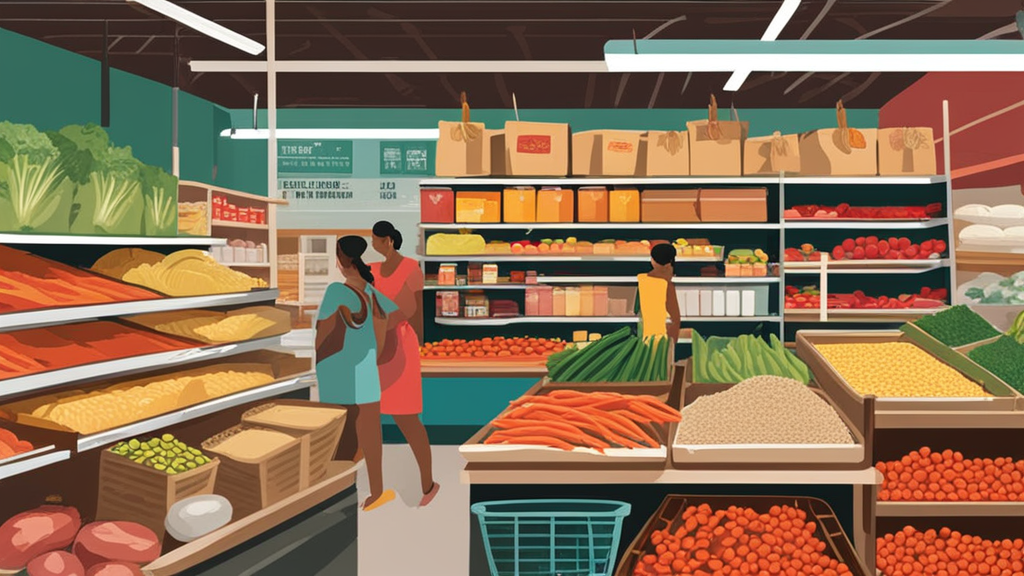
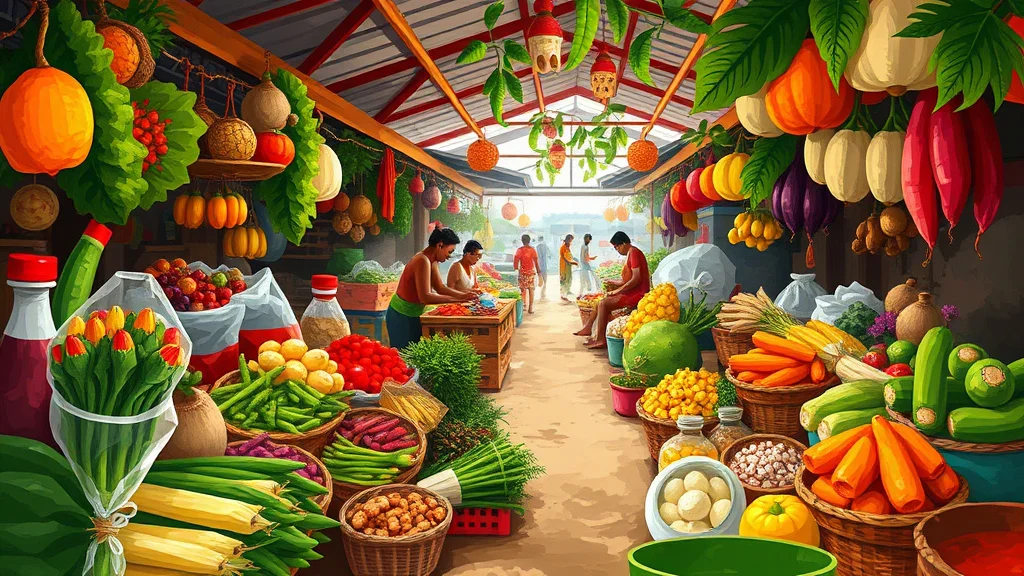
- Local Markets: Markets in Paramaribo offer a plethora of fresh produce, meats, and spices. Visiting these markets can be an experience in itself, as you can interact with local vendors and discover unique ingredients.
- Grocery Stores: Larger grocery stores often stock a variety of international products, including specialty items like trassi and sambal. Check the international aisle for additional options.
- Online Delivery: Some local businesses offer delivery services for groceries, which can be convenient for expatriates who prefer to shop from home. Look for local grocery delivery services online.
Practical Tips for Cooking Surinamese Food
Cooking Surinamese dishes can be straightforward once you have the right ingredients and knowledge. Here are some tips to enhance your cooking experience:
- Experiment with Flavors: Surinamese cooking allows for flexibility. Feel free to adjust the spices according to your taste. For example, if you prefer less heat, you can reduce the amount of sambal used in your dishes.
- Use Fresh Ingredients: Fresh herbs and vegetables significantly enhance the flavor of your meals. Whenever possible, choose fresh over frozen or canned options.
- Cook with Love: The best meals are made with care. Take your time to enjoy the cooking process, and don’t rush. This will reflect in the final dish.
Conclusion
Cooking Surinamese food at home can be a delightful adventure, allowing expatriates to connect with the local culture through its rich culinary traditions. By stocking your pantry with essential ingredients and trying your hand at popular dishes like Nasi Goreng and Pom, you can recreate the flavors of Suriname in your kitchen. Embrace the vibrant food culture, explore local markets for fresh ingredients, and enjoy the process of bringing Surinamese cuisine to your home.
AI-Generated Content: This article was created with AI assistance and may contain inaccuracies. Please verify important information with official sources.
Last updated: July 2026