
This guide was synthesized using the latest legislative data and verified by our editorial board. Laws are subject to change; always consult official sources for final confirmation.
For expatriates and international professionals living in Suriname, navigating local grocery options can be an adventure. One of the richest culinary influences in Suriname comes from the Chinese community, which has integrated its flavors into the broader Surinamese cuisine. This article explores Chinese Surinamese groceries, what they typically stock, and how you can make the most of these resources to recreate authentic dishes at home.
Understanding the Chinese Influence in Suriname
The Chinese diaspora has been part of Suriname’s fabric since the mid-19th century, primarily consisting of indentured laborers who arrived after slavery was abolished. Over the decades, they have contributed a unique culinary perspective that blends traditional Chinese flavors with local ingredients. Commonly enjoyed Chinese Surinamese dishes include tjap tjoy, a stir-fry with a medley of vegetables and proteins, and various noodle dishes that have become staples in the local diet.
Expatriates will find that the Chinese grocery stores in Paramaribo not only cater to the Chinese community but also offer a wide range of products that can enrich any kitchen. These stores provide a glimpse into the vibrant culinary fusion that defines Suriname today.
What to Expect in Chinese Surinamese Grocery Stores
Common Products Available
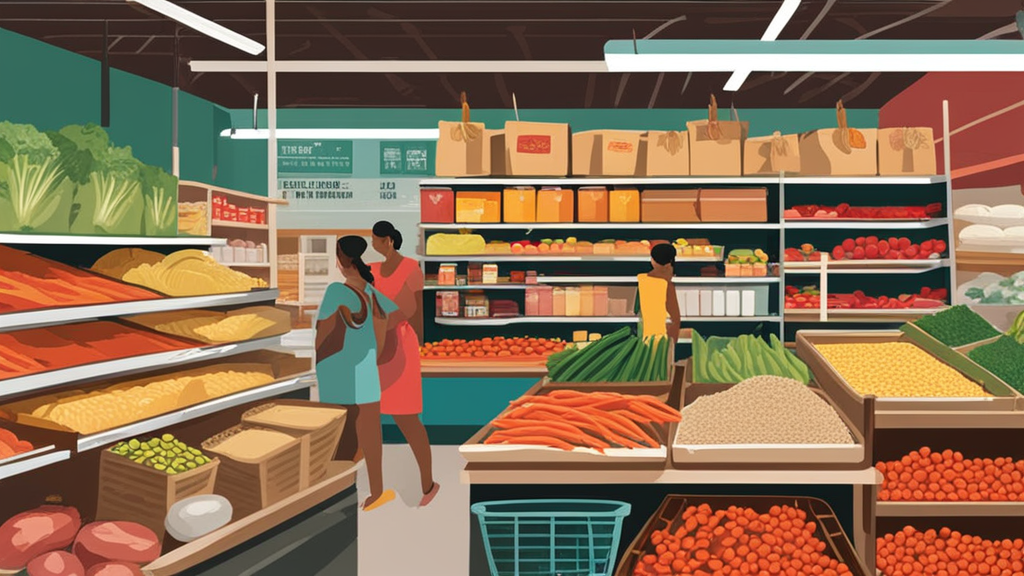
Chinese Surinamese grocery stores are typically well-stocked with a variety of ingredients essential for both authentic Chinese and Surinamese cooking. Here are some staples you can expect to find:
- Fresh produce: Look for bok choy, napa cabbage, and other Asian greens that are perfect for stir-fries. Fresh herbs like cilantro and scallions are also readily available.
- Rice and noodles: A variety of rice is stocked, including jasmine and sticky rice, alongside rice noodles, egg noodles, and instant noodles popular in Chinese cuisine.
- Condiments: Soy sauce, oyster sauce, hoisin sauce, and chili paste are common. These condiments can elevate the flavor of many dishes.
- Frozen items: Look for dumplings, spring rolls, and various seafood products. Frozen vegetables like edamame and mixed stir-fry vegetables are also typically available.
Specialty Items
Many Chinese grocery stores feature specialty items that might be harder to find in regular supermarkets. You can expect to see:
- Dried goods: Items like dried mushrooms, seaweed, and various dried fish can add depth to your dishes.
- Spices and seasonings: An array of spices such as five-spice powder, star anise, and Sichuan peppercorns are often stocked, providing the essential flavors for authentic dishes.
- Snacks and sweets: Enjoy a selection of traditional Chinese snacks, including rice crackers, mooncakes, and various candies that reflect the cultural heritage.
Where to Find Chinese Surinamese Groceries
In Paramaribo, several grocery stores cater to the Chinese community and expatriates looking for unique ingredients. While specific store names cannot be mentioned, you can easily find these markets in the city’s bustling neighborhoods. The stores are often located near the main residential areas populated by the Chinese community, making them convenient for regular visits.
Additionally, consider exploring local markets that might have sections dedicated to Asian products. These markets often include fresh produce and spices that can complement your culinary endeavors.
Practical Tips for Expatriates
Getting the Most Out of Your Shopping Experience
As an expatriate in Suriname, navigating the grocery landscape can be daunting at first. Here are some tips to enhance your shopping experience:
- Learn some local terms: Familiarizing yourself with basic Chinese cooking terms can help you communicate with store staff and understand product labels better.
- Bring cash: Many smaller grocery stores may not accept credit cards, so it's wise to carry cash in SRD for your purchases. Always check for the current exchange rate to budget your expenses.
- Explore different stores: Each grocery store may have its unique offerings. Don't hesitate to explore various locations to discover different products.
Cooking with Chinese Surinamese Ingredients
Once you have stocked up on Chinese ingredients, it's time to get cooking. Here are some popular Chinese Surinamese dishes you can try:
- Tjap tjoy: A colorful stir-fry combining various vegetables such as bell peppers, carrots, and broccoli, typically made with chicken, shrimp, or tofu.
- Chow mein: A noodle dish stir-fried with vegetables and meat or tofu, seasoned with soy sauce for that umami flavor.
- Spring rolls: Crispy rolls filled with a mix of vegetables, often served with a sweet and sour dipping sauce.
Using local, fresh ingredients can elevate these dishes even further. Experiment with Surinamese spices and local vegetables to create a fusion of flavors that reflect both cultures.
Conclusion
Chinese Surinamese grocery stores offer a treasure trove of ingredients that can help expatriates recreate their favorite dishes or explore new culinary horizons. By understanding the typical products available and where to find them, you can fully embrace the vibrant flavors of Suriname. From fresh produce to specialty items, these stores are essential for anyone looking to dive into the local cuisine. Whether you're whipping up a quick stir-fry or experimenting with fusion dishes, your local Chinese grocery store is your gateway to delicious meals.
AI-Generated Content: This article was created with AI assistance and may contain inaccuracies. Please verify important information with official sources.
Exchange rate used in this article: 1 USD = 37.852 SRD, 1 EUR = 43.424 SRD (rate as of 2026-09-29, source: Centrale Bank van Suriname).
Primary Sources
Last updated: October 2026