
This guide was synthesized using the latest legislative data and verified by our editorial board. Laws are subject to change; always consult official sources for final confirmation.
Paramaribo, the capital of Suriname, is home to a remarkable treasure—the Historic Inner City, recognized as a UNESCO World Heritage Site since 2002. This designation reflects its exceptional cultural and historical value, showcasing the unique blend of colonial and indigenous influences that shaped its architecture and urban landscape. In this article, we will explore the reasons behind this recognition, its historical significance, and what expats should know about experiencing this vibrant area.
Historical Significance of Paramaribo
The history of Paramaribo dates back to the 17th century when it was established as a Dutch colonial town. The layout of the city, with its grid pattern, reflects the planning concepts of the time, utilizing the natural landscape to create a functional urban space. The city was built along the northeastern coast of South America, strategically located along the Suriname River, which facilitated trade and transportation.
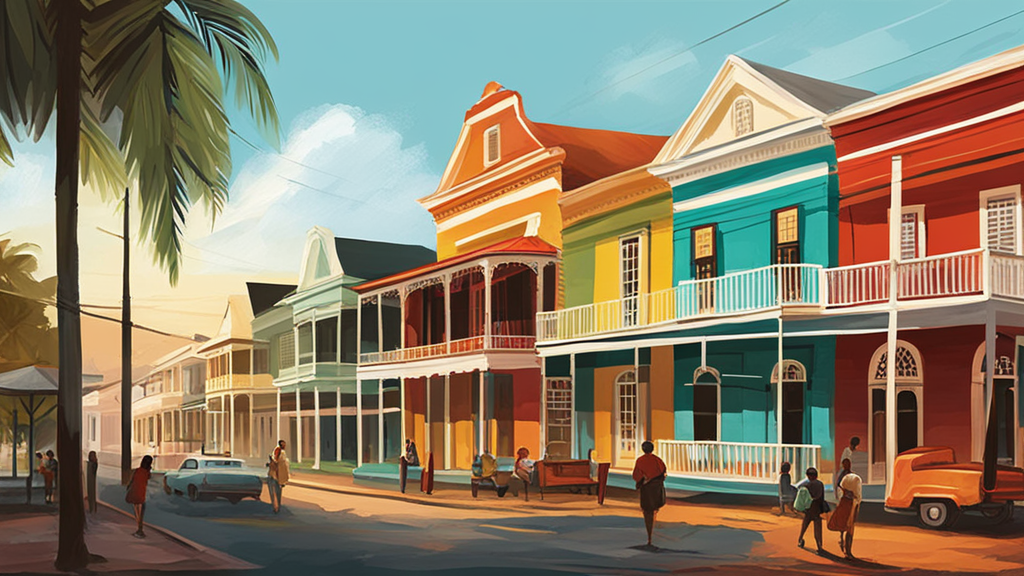
The Historic Inner City, laid out from 1683 onwards, is significant for its preservation of colonial architecture, primarily wooden buildings that illustrate the fusion of Dutch, Creole, and indigenous South American influences. Notable structures include Fort Zeelandia, built in 1667, which served as a military stronghold and a symbol of Dutch colonial power. The architectural style of these buildings showcases a unique blend of European techniques and local materials, resulting in a distinct Surinamese identity.
Architectural Heritage
The architectural landscape of Paramaribo is characterized by its wooden structures, many of which have survived to this day. As of our last update, there are 291 listed monuments within the city, representing various architectural styles from different periods. This includes the impressive Presidential Palace, constructed in 1730, which combines stone and wood, and the Gothic Revival Roman Catholic Cathedral built in 1885, known for its intricate wooden design.
Each building tells a story, reflecting the cultural diversity and historical narratives of Suriname. The preservation of these structures is critical, as they embody the nation's identity and heritage. The UNESCO designation has helped to raise awareness and promote efforts to maintain and protect this architectural legacy.
Multicultural Influences
Suriname's population is a tapestry of cultures, including Hindustani, Maroon, Creole, Javanese, Indigenous, and Chinese communities. This rich diversity is reflected in the festivals, traditions, and daily life of Paramaribo. For instance, Keti Koti, celebrated on July 1, commemorates the abolition of slavery in 1863, and is the most significant national holiday. During this event, the city comes alive with parades, music, and cultural performances, allowing expats to engage with the local community and learn about the country's history.
Other cultural events, such as Phagwa (Holi) celebrated by the Hindustani community and Diwali observed in October/November, offer further insights into the multicultural fabric of Suriname. Expats are encouraged to participate in these celebrations to gain a deeper understanding of local customs and to foster connections within the community.
Preservation Efforts
Preservation of Paramaribo's Historic Inner City is not only about maintaining buildings but also involves safeguarding the unique cultural practices and community life that occur within them. The Surinam Built Heritage Foundation oversees the management and protection of the monuments and has implemented various initiatives to ensure their longevity. This includes the 2002 Monuments Bill, which provides for the designation of protected historic quarters and encourages conservation efforts.
However, the integrity of the site faces challenges, such as urban development pressures and the socio-economic situation affecting maintenance efforts. Expats and visitors can support these preservation initiatives by advocating for responsible tourism and engaging with local organizations that focus on heritage conservation.
What Expats Should Know
As an expatriate living in or visiting Paramaribo, there are several practical tips to enhance your experience in the Historic Inner City:
- Explore on Foot: The best way to appreciate the architecture and ambiance of the inner city is by walking. This allows you to take in the details of the buildings and discover hidden gems, such as local art galleries and craft shops.
- Visit Local Markets: The area is home to several local markets where you can experience the vibrant culture through food, crafts, and music. Markets offer a taste of traditional Surinamese cuisine and a chance to interact with locals.
- Engage with the Community: Participating in community events or volunteering with local organizations can provide insights into Surinamese culture and strengthen your ties within the community.
- Respect Local Customs: Understanding and respecting local customs is vital. For example, when visiting places of worship, dress modestly and be mindful of the cultural significance of certain practices.
- Document Your Experience: Take photographs and notes of your experiences in the Historic Inner City, as these will be valuable not only for personal reflection but also for sharing insights with friends and family back home.
Dining and Entertainment
Paramaribo offers a variety of dining options that reflect its multicultural heritage. Local restaurants serve dishes influenced by various ethnic groups, providing an authentic taste of Surinamese cuisine. Expats can enjoy meals featuring ingredients like rice, fish, and tropical fruits, often prepared with unique spices and flavors.
Additionally, the inner city is a hub for entertainment, with live music, dance performances, and cultural events taking place throughout the year. Engaging with these activities can enhance your understanding and appreciation of the cultural diversity that defines Paramaribo.
Conclusion
The Historic Inner City of Paramaribo stands as a testament to the rich history and cultural diversity of Suriname. Its recognition as a UNESCO World Heritage Site highlights the importance of preserving this unique urban landscape, where colonial influences intertwine with indigenous heritage. For expatriates, exploring this vibrant area offers not only an opportunity to appreciate its architectural beauty but also a chance to connect with the local community and engage with Surinamese culture. By understanding and participating in the life of the inner city, expats can create meaningful experiences that enrich their time in this remarkable country.
AI-Generated Content: This article was created with AI assistance and may contain inaccuracies. Please verify important information with official sources.