This guide was synthesized using the latest legislative data and verified by our editorial board. Laws are subject to change; always consult official sources for final confirmation.
The Phagwa Festival, also known as Holi, is a significant celebration for the Hindustani community in Suriname, typically taking place in March. This vibrant festival marks the arrival of spring and the triumph of good over evil, encapsulating themes of unity, joy, and renewal. In this guide, you will learn about the historical context, the festivities involved, and practical advice for navigating this colorful celebration as an expatriate living or visiting Suriname.
Historical and Cultural Context of Phagwa
Phagwa has its origins in Hindu mythology, particularly in the story of Prahlada, a devotee of Lord Vishnu who defied his tyrannical father, Hiranyakashipu. The festival celebrates Prahlada's unwavering faith, symbolizing the victory of good over evil. Traditionally, Phagwa coincides with the last full moon of Phalgun, which can vary each year. In Suriname, this festival has evolved to include local customs and interactions among various ethnic communities, reflecting the country's rich multicultural tapestry.
Suriname is home to a diverse population comprising Hindustani (~27%), Maroon (~22%), Creole (~16%), Javanese (~14%), and Indigenous peoples, among others. This diversity is particularly evident during Phagwa, as individuals from various backgrounds come together to celebrate, demonstrating the spirit of unity that characterizes Surinamese culture.
Festivities and Traditions
The Colorful Celebrations
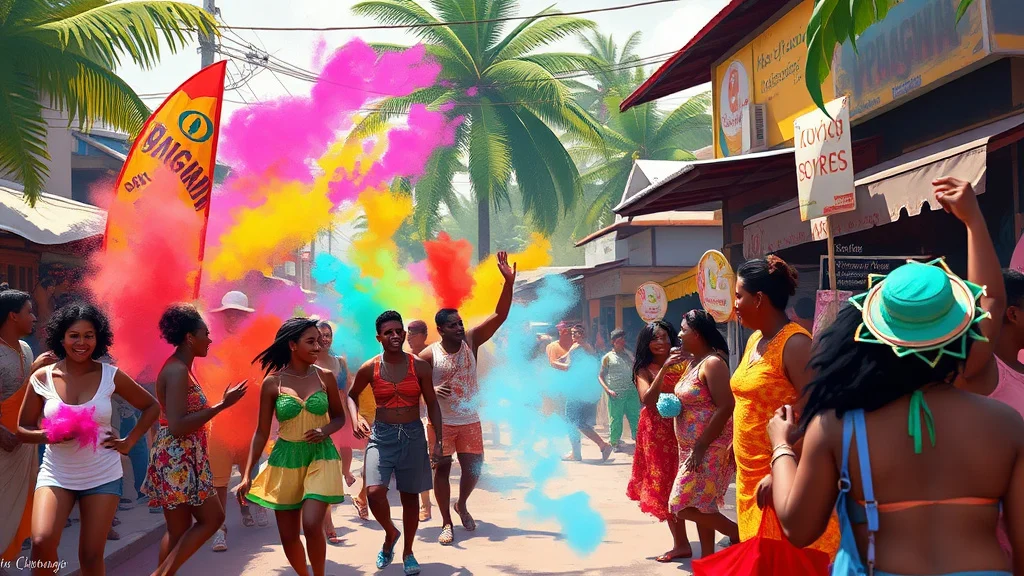
Phagwa is famously known as the "Festival of Colors." During this time, participants engage in playful color fights using powders known as 'abeer,' which are made from natural sources. Expect to see streets filled with laughter, music, and vibrant colors. The atmosphere is charged with excitement, as people splash each other with colored water and powders, creating a joyful chaos that is the essence of the celebration. The festival in Suriname often sees large gatherings in parks, community centers, and city streets, particularly in Paramaribo, where the majority of the festivities occur.
While Phagwa is primarily celebrated on a single day, the lead-up includes numerous cultural activities, including singing traditional folk songs known as "Chowtal." These songs are typically performed in two alternating rows, accompanied by drums, creating a lively and engaging atmosphere that invites participation from everyone present.
Community and Participation
One of the most beautiful aspects of Phagwa in Suriname is its inclusivity. People from various ethnic backgrounds—Creole, Javanese, Maroon, Indigenous, and Hindustani—come together to partake in the festivities. This blending of cultures enhances the experience, allowing expatriates to witness and engage with a unique aspect of Surinamese life. Expect to hear a mix of music genres ranging from Bollywood hits to local soca rhythms, which further enrich the celebratory environment.
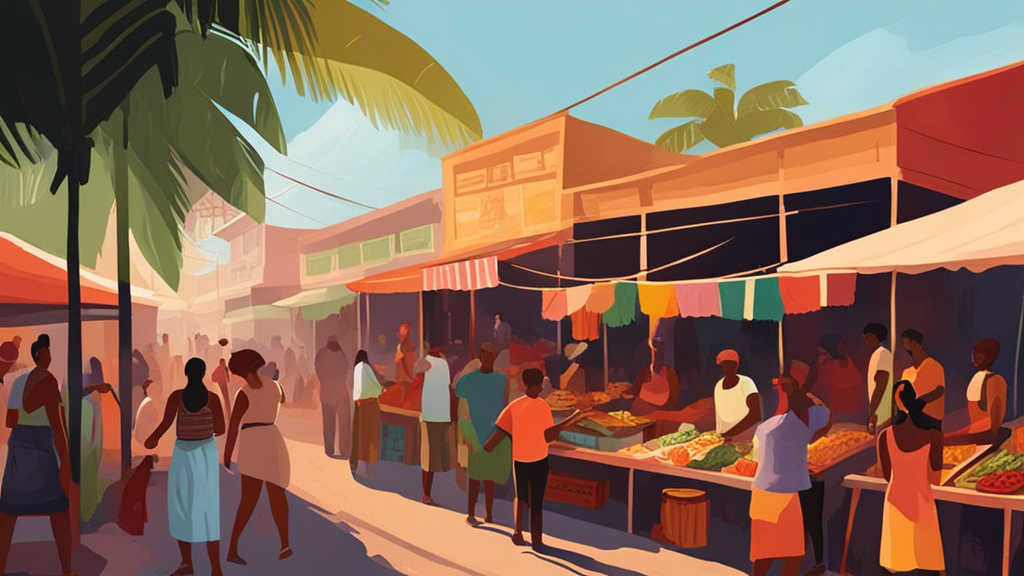
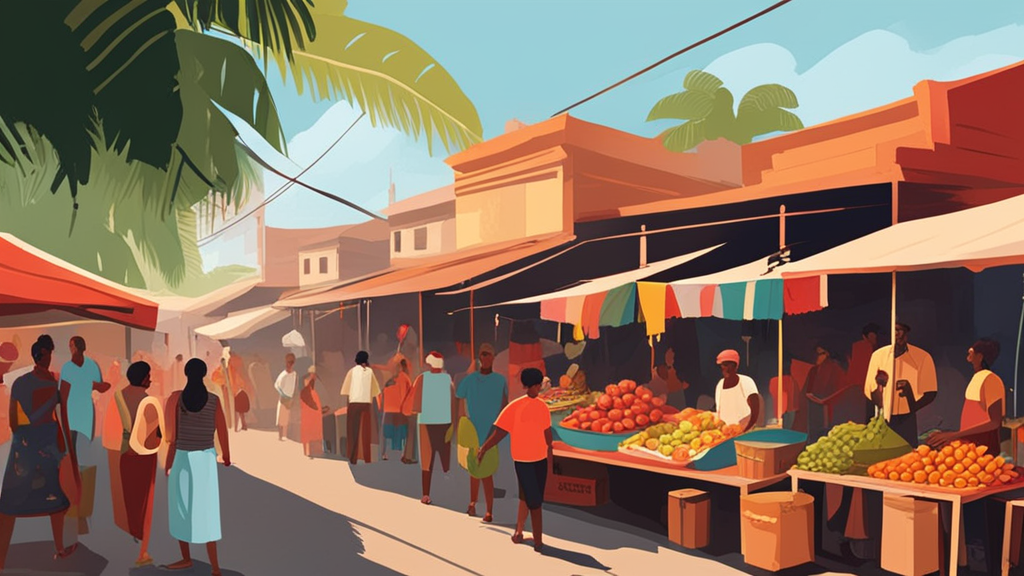
Local businesses often participate by offering traditional snacks and sweets, such as 'gujiya' (a sweet-filled pastry) and 'malpua' (a type of pancake). Many restaurants may also have special menus to commemorate the occasion. Engaging with local vendors not only enhances your experience but also supports the community, making it an integral part of the festivities.
Practical Tips for Expats
What to Expect and How to Prepare
As an expat, experiencing Phagwa can be an exhilarating yet overwhelming experience. It is essential to come prepared. Wear clothes you do not mind getting stained with colors, as the vibrant powders can be challenging to remove. Comfortable footwear is also advised since you will likely be walking and dancing throughout the day.
It is wise to keep valuables, such as phones and cameras, in protective bags to shield them from the colors and water. Many people use their phones to capture the vibrant moments, but expect to get splashed! If you're bringing children, ensure they are dressed appropriately and are supervised, as the festivities can get quite boisterous.
Engaging with the Community
Participating in the festivities is highly encouraged, but understanding local customs is equally important. While the atmosphere is festive and friendly, be mindful of personal boundaries. Not everyone may be comfortable with direct contact, so approach interactions with a warm smile and a friendly demeanor. When throwing colors, aim to use organic powders that are less harmful to the skin and eyes.
Join local groups or forums on social media to stay updated on events leading up to Phagwa. Many community organizations may host pre-festival activities or cultural workshops, providing a deeper understanding of the traditions and significance behind the celebration. This engagement not only enhances your experience but also fosters connections within the community.
Where to Celebrate Phagwa
Key Locations in Suriname
Paramaribo is the epicenter of Phagwa celebrations in Suriname. Key areas include Independence Square, where large crowds gather for music, dance, and color fights. Parks and community centers often host organized events featuring traditional performances and food stalls. Additionally, temples may hold special rituals and gatherings, offering a more spiritual context to the festival.
Consider exploring Indo-Surinamese neighborhoods, where celebrations may be more intimate and rooted in tradition. These local festivities can provide a unique perspective on how different communities engage with the holiday, allowing for a richer cultural experience.
Conclusion
The Phagwa Festival in Suriname is a vibrant, inclusive celebration that offers expatriates a unique opportunity to immerse themselves in the country's rich cultural diversity. From the historical context to the joyous festivities, this celebration embodies the spirit of unity and renewal. By preparing adequately and engaging with the community, you can create unforgettable memories during this remarkable festival. Whether you are splashing colors with new friends or savoring traditional snacks, Phagwa promises to be an enriching experience that connects you with the heart of Surinamese culture.
AI-Generated Content: This article was created with AI assistance and may contain inaccuracies. Please verify important information with official sources.
Last updated: July 2026