This guide was synthesized using the latest legislative data and verified by our editorial board. Laws are subject to change; always consult official sources for final confirmation.
Volunteering in Suriname offers a unique opportunity to engage with local communities while experiencing the rich culture and biodiversity of this gem in South America. With its vibrant history and diverse population, Suriname provides a fertile ground for international volunteers to contribute to various causes. This guide will help you navigate the volunteering landscape, highlighting local organizations, practical tips, and personal anecdotes to enrich your experience.
Understanding the Volunteering Landscape in Suriname
Suriname is home to numerous local organizations that focus on community development, environmental preservation, and social services. These organizations often rely on the support of international volunteers to implement their programs and achieve their goals. As of our last update, many NGOs in Suriname are looking for volunteers to help with education, health care, wildlife conservation, and community upliftment. Many organizations mobilize short-term volunteers to work hand-in-hand with local communities on long-term development projects.
Additionally, the Suriname Wildlife Sanctuary offers eco-volunteer opportunities, allowing you to work in a tropical rainforest environment while protecting endangered species. Such programs typically involve tasks like wildlife monitoring, habitat restoration, and community education. Volunteers often describe these experiences as life-changing, as they not only contribute to meaningful projects but also immerse themselves in the stunning natural beauty of Suriname.
Popular Volunteer Programs in Suriname
Community Development Initiatives
Community development is a major focus for many local organizations. Volunteers can participate in programs that aim to improve living conditions, education, and healthcare access. For example, some NGOs run educational programs aimed at teaching English to children and adults. These initiatives typically involve interactive teaching methods, making learning fun and engaging.
One expat volunteer shared their experience teaching English in Paramaribo, where they worked with local teachers to develop lesson plans. They noted that the students were eager to learn but often faced challenges due to limited resources. By collaborating with local educators, the volunteer was able to make a lasting impact while gaining insights into Surinamese culture and educational practices.
Wildlife Conservation Efforts
Suriname boasts a wealth of biodiversity, making wildlife conservation a priority. Organizations focus on protecting endangered species and their habitats. Volunteers can assist with animal care, habitat restoration, and educational outreach programs.
For instance, a volunteer at the sanctuary recounted how they helped rehabilitate injured wildlife and educate visitors about conservation efforts. This hands-on experience not only contributed to the welfare of the animals but also allowed the volunteer to form connections with local conservationists and learn about the ecological challenges facing Suriname.
Practical Considerations for Volunteers
Cost of Living and Financial Planning
Before embarking on your volunteering journey, it's wise to understand the cost of living in Suriname. While living expenses are generally lower than in many Western countries, budgeting for your stay is essential. Typical monthly expenses, including accommodation, food, and transportation, can range from approximately $500 to $800.
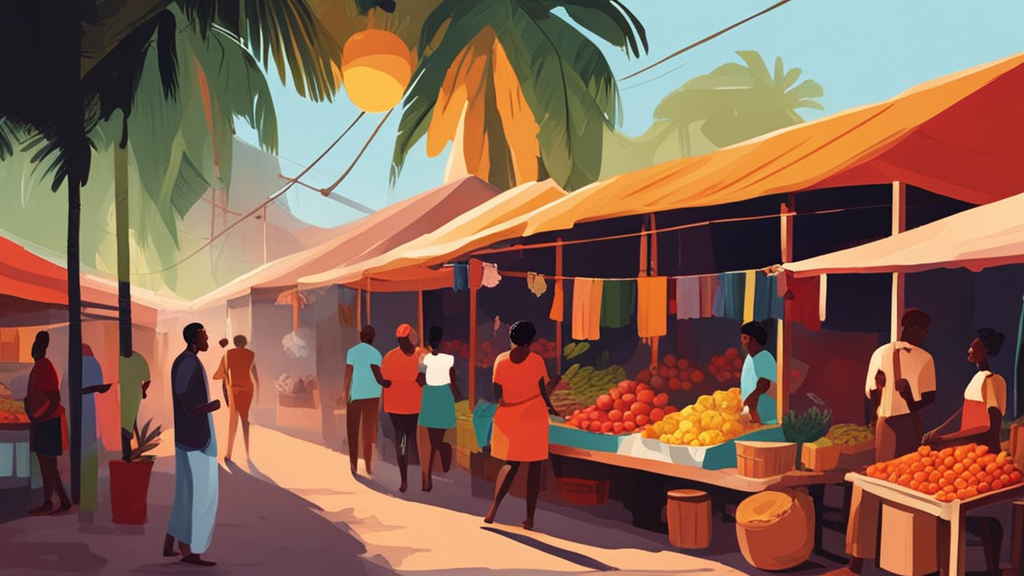
Volunteers often find affordable housing options through local NGOs, which sometimes provide accommodations as part of the volunteering package. When it comes to food, local markets and small eateries offer delicious meals at reasonable prices. This allows you to experience Surinamese cuisine without breaking the bank.
Health and Safety Precautions
Health considerations are paramount when volunteering in Suriname. As a tropical country, Suriname has a risk of mosquito-borne diseases like dengue fever and Zika virus. It's advisable to consult with a healthcare provider prior to your trip to get recommended vaccinations and medications.
Additionally, packing essential items such as insect repellent, sunscreen, and a basic first-aid kit can enhance your experience. Most volunteers find that staying hydrated and protecting themselves from the sun is crucial in Suriname's warm climate, where temperatures typically range from 27-32°C (80-90°F).
Cultural Insights and Adaptation
Embracing Local Culture
Suriname is a melting pot of cultures, with influences from Indigenous peoples, African, Asian, and European descendants. Engaging with the local community requires an understanding of cultural norms and practices. For instance, greeting people with a warm smile and a friendly "good morning" or "goedenmorgen" is customary. This simple gesture can help break the ice and foster connections.
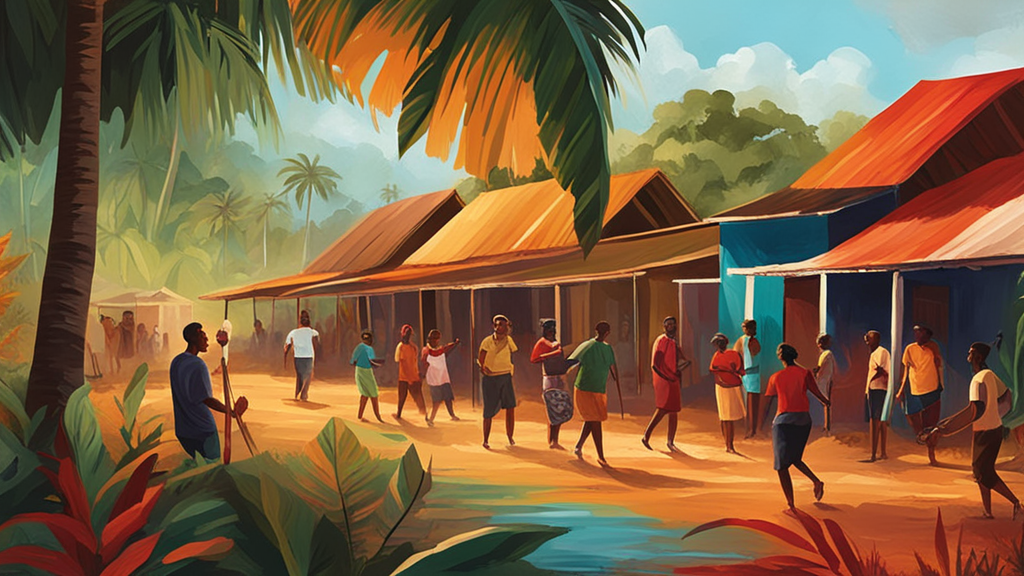
Volunteers often find that participating in local festivals and community events enhances their understanding of Surinamese culture. One volunteer shared how they joined a cultural festival in Paramaribo, where they learned traditional dance and music. Such experiences not only create lasting memories but also help volunteers feel more integrated into the community.
Building Relationships
Establishing relationships with local residents can significantly enrich your volunteering experience. Many volunteers emphasize the importance of being open and approachable, as locals are often eager to share their stories and traditions. Taking the time to learn a few phrases in Sranan Tongo, the local Creole language, can also go a long way in building rapport.
For instance, a volunteer who learned basic phrases found that it helped them connect with the children they taught. This not only made the learning environment more enjoyable but also demonstrated respect for the local culture, fostering a sense of community.
What Expats Should Know
Networking and Resources
Connecting with fellow expats and volunteers can provide invaluable support during your time in Suriname. Various online forums and social media groups cater to expatriates, where you can share experiences, advice, and recommendations. These platforms often feature valuable insights on local events, safety tips, and social gatherings.
Additionally, reaching out to local NGOs before your arrival can help you find tailored volunteering opportunities that align with your interests and skills. Many organizations actively seek volunteers and can provide you with information about ongoing projects and specific needs.
Planning Your Stay
When planning your volunteering trip, consider the duration of your stay. Many programs offer flexible timelines, allowing you to volunteer for a few weeks to several months. This flexibility enables you to immerse yourself in the local culture and make a more significant impact.
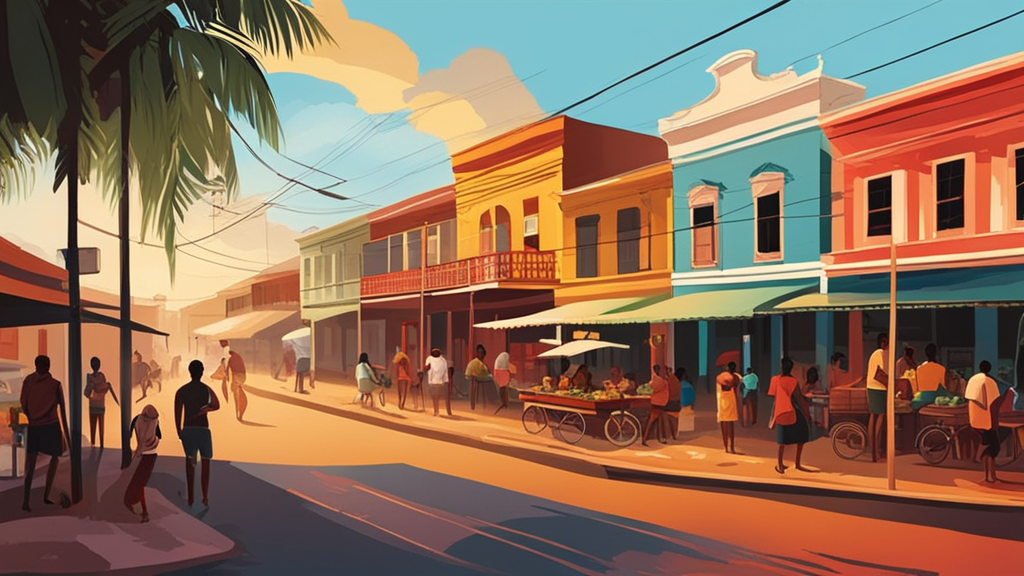
Moreover, combining your volunteering experience with travel is a great way to explore Suriname's natural beauty and historical sites. The capital city, Paramaribo, showcases stunning colonial architecture and vibrant street life. Make sure to take time to visit the nearby rainforest and rivers, which offer breathtaking landscapes and unique wildlife.
Conclusion
Volunteering in Suriname presents an incredible opportunity to make a meaningful impact while experiencing a rich and diverse culture. By engaging with local organizations, understanding practical considerations, and embracing cultural nuances, you can create lasting memories and connections. Whether you're contributing to community development or wildlife conservation, your efforts can help foster positive change in this beautiful country. Approach your volunteering journey with an open heart and mind, and you'll be rewarded with unforgettable experiences and friendships.
AI-Generated Content: This article was created with AI assistance and may contain inaccuracies. Please verify important information with official sources.
Primary Sources
Last updated: September 2026