
This guide was synthesized using the latest legislative data and verified by our editorial board. Laws are subject to change; always consult official sources for final confirmation.
When relocating to Suriname or managing logistics for your business, understanding the operational dynamics of Nieuwe Haven, the main river port in Paramaribo, is crucial. This article explores what it means for your goods when they arrive at a river port, the implications for shipping logistics, and practical tips to streamline your experience.
What is Nieuwe Haven?
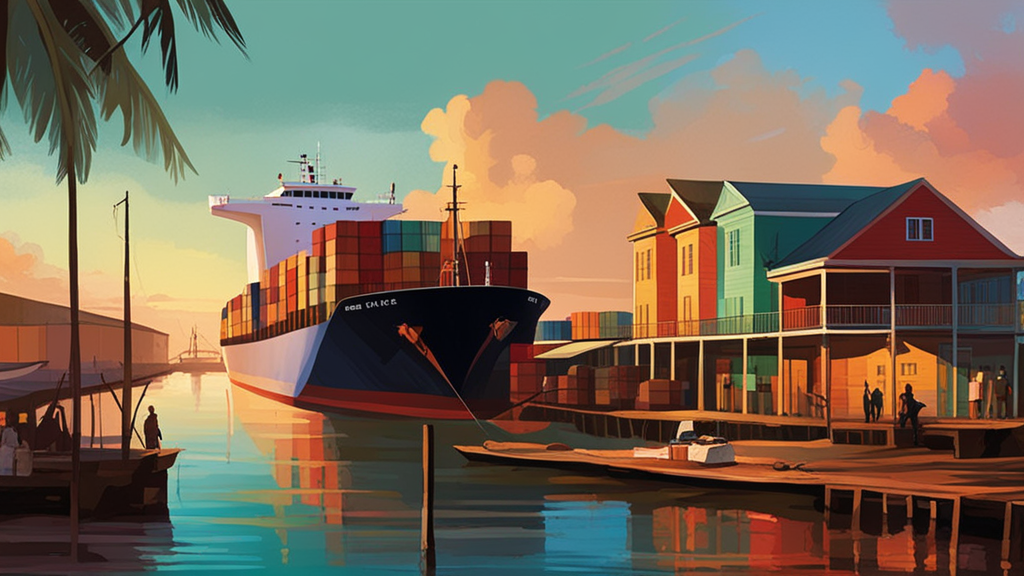
Nieuwe Haven, also known as Jules Sedney Harbour, is Suriname's primary seaport and a critical hub for trade. Located on the Suriname River, it primarily serves as a river port, which inherently influences the types of vessels that can dock and the size of cargo that can be accommodated. Unlike deepwater ports that can handle large ocean-going vessels, Nieuwe Haven restricts operations to smaller feeder and multipurpose vessels. This limitation can directly impact your shipping timelines and costs.
Operational Characteristics of a River Port
River ports like Nieuwe Haven have specific operational characteristics that affect shipping logistics. For instance, the draft limit at Nieuwe Haven means that larger ships are unable to dock directly. Typically, larger cargo vessels must transfer their goods to smaller vessels at a transshipment hub, such as Trinidad, before reaching Suriname. This means longer transit times and potentially increased costs due to additional handling and transportation fees.
Additionally, the size limitations of vessels can affect the availability of shipping options. Smaller ships may have more frequent departures, but they also mean that the capacity for larger shipments is reduced. As a result, if you're shipping large quantities, you may need to adjust your strategy, perhaps opting for Full Container Load (FCL) instead of Less than Container Load (LCL) to ensure you can secure space on a vessel.
Shipping Methods for Goods to Nieuwe Haven
When shipping to Suriname, you have various methods to choose from, depending on your cargo's urgency and volume. Common methods include LCL, FCL, and air freight, each with its advantages and considerations.
Less than Container Load (LCL)
LCL shipping is popular for smaller shipments, where your cargo shares space in a container with other shipments. This method is economical for goods ranging from one pallet to around ten pallets. However, the time taken for consolidation and the potential for delays at multiple handling points might be a concern, especially with the river port's operational constraints. If you opt for LCL, ensure you have a reliable freight forwarder to manage the logistics efficiently.
Full Container Load (FCL)
For larger shipments, FCL is often preferred despite potentially higher initial costs. With FCL, you have a dedicated container that minimizes handling and reduces the risk of damage. Given the limited draft at Nieuwe Haven, securing a full container might provide more straightforward logistics, especially for moisture-sensitive goods or larger items like machinery. It’s advisable to book your container early, as space can be limited on smaller feeder vessels serving the port.
Air Freight
For time-sensitive shipments, air freight is an alternative, often used for high-value goods or urgent requirements. Although more expensive, air freight can significantly shorten delivery times compared to sea freight. Air cargo typically moves through Johan Adolf Pengel International Airport (PBM), which has links to major hubs like Miami, ensuring that your goods can reach you quickly, albeit at a premium.
Understanding Transit Times and Delays
Shipping times from Miami to Paramaribo can vary widely based on the method chosen. Generally, ocean freight transit time is estimated to be one to several weeks, depending on whether your goods undergo direct shipping or require transshipment. The added steps of consolidation, documentation, and clearance processes can extend the overall shipping timeline.
For instance, if you are using LCL, your cargo will need to be consolidated with others, which can add several days to your timeline. With FCL, while the transit time may be shorter, it’s essential to account for the time needed for customs clearance once your cargo arrives at Nieuwe Haven. Customs procedures can be lengthy, so having all your documentation in order can help smooth out the process and prevent delays.
Export Paperwork Requirements
Efficient shipping to Nieuwe Haven also hinges on proper documentation. The requirements can vary, but at a minimum, expect to prepare the following:
- Commercial Invoice: Full description of goods, including HS codes, unit and total values, currency, and detailed shipper and consignee information.
- Packing List: Piece count, dimensions, and weight per package are critical for avoiding holds and delays at customs.
- Bill of Lading: Ensure accuracy in the consignee and notify party details to prevent issues during cargo release.
- EEI Filing: If your shipment exceeds the export filing threshold, ensure that you file Electronic Export Information as required.
Practical Tips for Expatriates Shipping to Suriname
As you navigate the shipping landscape in Suriname, consider the following insider tips to enhance your experience:
- Plan Ahead: Begin your shipping arrangements well in advance to avoid last-minute complications, especially during peak seasons when shipping demand can increase.
- Choose Reliable Freight Forwarders: Work with logistics companies that have experience with Suriname's ports. They can provide valuable insights and help mitigate potential issues with customs or documentation.
- Stay Informed: Keep abreast of any changes to port operations or regulations by consulting official sources or local expat forums. Changes can happen frequently, impacting shipping timelines and processes.
- Cultural Adaptation: Understanding local nuances in business practices can also facilitate smoother dealings with shipping companies and customs agents.
Conclusion
Navigating the logistics of shipping goods to Suriname via Nieuwe Haven requires an understanding of its unique characteristics as a river port. From the limitations on vessel size to the documentation required, every detail can impact the efficiency of your shipping experience. By choosing the right shipping method, preparing all necessary paperwork, and working with reliable partners, you can ensure a smoother transition for your goods into Suriname.
Taking these practical steps will not only make your move more manageable but also allow you to focus on settling into this vibrant country, rich in culture and opportunity.
AI-Generated Content: This article was created with AI assistance and may contain inaccuracies. Please verify important information with official sources.