
This guide was synthesized using the latest legislative data and verified by our editorial board. Laws are subject to change; always consult official sources for final confirmation.
The Marowijne River, a significant geographical feature in Suriname, serves as a natural boundary between Suriname and French Guiana. This article delves into the river's role as a border and a waterway, highlighting its ecological importance, accessibility, and cultural context, providing valuable insights for expatriates and travelers.
The Geographic Significance of the Marowijne River
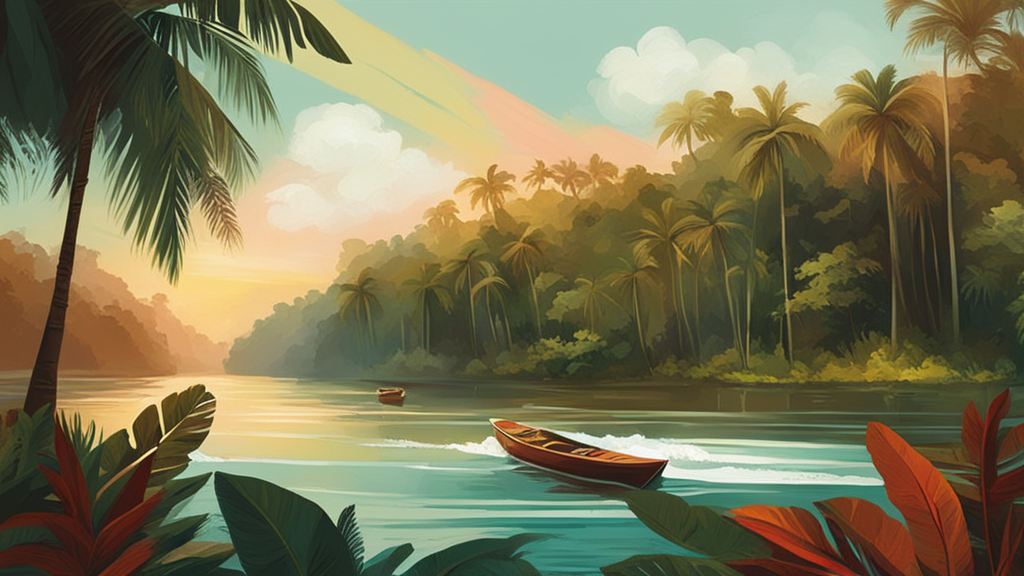
The Marowijne River, known in French as the Maroni River, rises in the Tumuc-Humac Mountains near the Brazilian border and flows northward through lush tropical rainforests before reaching the Atlantic Ocean. Spanning approximately 724 kilometers (450 miles), the river forms a natural border between Suriname and French Guiana for most of its length. This river not only defines the political boundary between these two nations but also represents a vital waterway for transportation and trade.
As of the latest geographical assessments, the river is typically deep enough for shallow-draft vessels to navigate up to 60 miles (100 kilometers) upstream from its mouth. This accessibility is crucial for local communities engaged in fishing, trade, and tourism. The river's navigation routes connect various settlements along its banks, facilitating the movement of goods and people in an otherwise isolated region. It serves as a lifeline for remote villages, offering access to essential supplies and services.
The Marowijne River as a Border
The political significance of the Marowijne River is underscored by its longstanding role as a boundary between Suriname and French Guiana. The river's course has been a source of historical disputes, particularly regarding the exact delineation of the border. While the Marowijne River is officially recognized as the border, the surrounding areas, such as the disputed Marouini River Tract, highlight the complexities of colonial legacies and territorial claims. This area has remained largely undeveloped and subject to ongoing negotiations.
The border demarcation has implications for resource management, environmental conservation, and cross-border relations. Suriname claims rights to the resources within its territorial waters, which include fish, timber, and potential mineral deposits. This claim is pivotal for the country's economic development, as the river basin is rich in natural resources. Therefore, understanding the political and environmental dynamics surrounding the river is essential for expatriates and local communities alike.
The Role of the Marowijne River as a Waterway
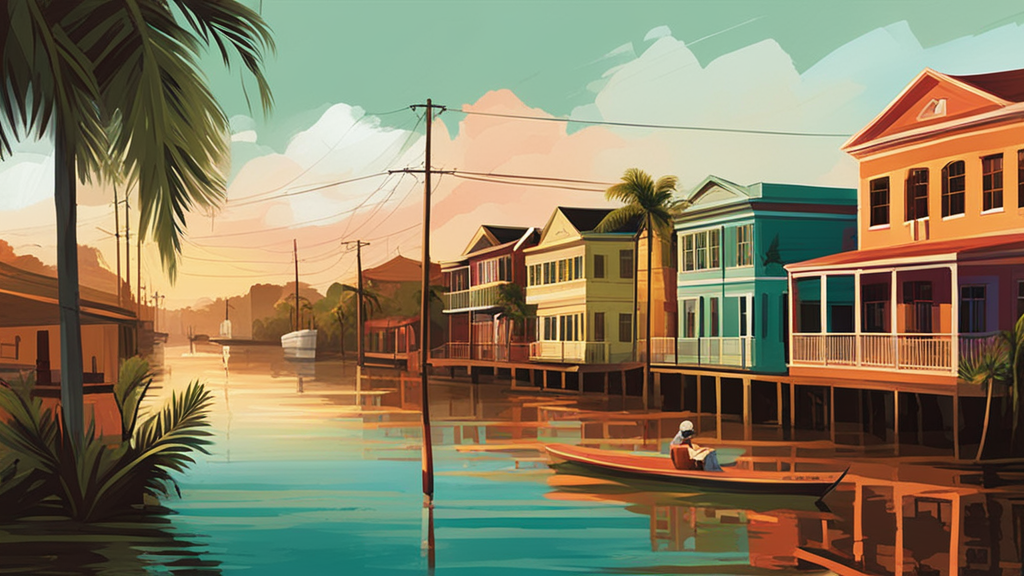
The Marowijne River serves as a crucial waterway for both Suriname and French Guiana, providing key transportation routes for local populations. The river is navigable for small vessels, facilitating the movement of goods between towns such as Albina in Suriname and Saint-Laurent-du-Maroni in French Guiana. This connectivity enhances trade opportunities and cultural exchanges between the two regions.
During the rainy season, which typically spans from April to August and November to February, the river's water levels rise, improving navigability. Local fishermen and traders often take advantage of these seasonal changes to transport their goods more efficiently. However, during the dry season, water levels may drop, necessitating careful planning for travel and trade. Expatriates should be aware of these seasonal variations to optimize their travel and logistics along the river.
Ecological Importance of the Marowijne River
The Marowijne River flows through one of the most biodiverse regions on the planet, with over 90% of Suriname covered by tropical rainforests. This rich ecosystem supports a wide variety of flora and fauna, making the river a valuable resource for ecological research and conservation efforts. The surrounding forests play a crucial role in regulating the local climate and maintaining biodiversity, which impacts both the regional environment and the livelihoods of those who depend on these resources.
Moreover, the river's health is vital for the communities that rely on it for fishing, agriculture, and tourism. Sustainable practices are essential to protect this natural resource from overexploitation and pollution. Expatriates living near the river should engage with local conservation initiatives to help preserve its ecological integrity while benefiting from its resources.
Practical Tips for Expatriates
- Transportation: Familiarize yourself with local water transport options for efficient travel along the Marowijne River. Consider booking trips with local operators for a more authentic experience.
- Seasonal Awareness: Plan your activities according to the rainy and dry seasons to optimize your use of the river for transportation and recreation.
- Cultural Engagement: Explore the cultural significance of the river by visiting local communities and learning about their customs and practices related to the waterway.
- Environmental Responsibility: Participate in local conservation efforts to help protect the river and its surrounding ecosystems, ensuring that future generations can enjoy its resources.
Conclusion
The Marowijne River is more than just a physical boundary between Suriname and French Guiana; it is a vital waterway that supports local communities and ecosystems. Understanding its role as both a border and a waterway can enhance the experience of expatriates living in or visiting Suriname. By engaging with the river's cultural and ecological significance, expatriates can contribute to sustainable practices that benefit both the environment and local populations.
AI-Generated Content: This article was created with AI assistance and may contain inaccuracies. Please verify important information with official sources.
Primary Sources
Last updated: September 2026