This guide was synthesized using the latest legislative data and verified by our editorial board. Laws are subject to change; always consult official sources for final confirmation.
The Para District, located in the heart of Suriname, is a region rich in natural resources and cultural diversity. This article delves into the industrial landscape and settlement patterns of Para District, providing valuable insights for expatriates considering relocation or those already residing in the area. Readers will learn about the local industries, transportation options, climate considerations, and practical tips for navigating life in this unique district.
Geographic Overview of Para District
Para District is situated south of Paramaribo, Suriname's capital, and is accessible via the main highways that connect the coastal areas with the interior. The district covers a significant amount of land, characterized by its lush tropical rainforest and diverse ecosystems. The distance from Paramaribo to the central area of Para is approximately 45 kilometers, making it a feasible commute for those who work in the capital but prefer a quieter, more rural living environment.
The terrain of Para District varies, with low-lying areas near the rivers and higher elevations in the southern sections. This geographical diversity contributes to the district's rich biodiversity and offers opportunities for various economic activities, particularly in agriculture and resource extraction.
Industrial Activities in Para District
The main industry in Para District has historically revolved around agriculture, particularly the cultivation of rice and other cash crops. However, the region's economic landscape is also marked by the presence of mining activities, particularly for bauxite and gold. These industries have shaped the local economy and provided employment opportunities for residents.
Although the bauxite industry has seen a decline, its historical significance remains. The closure of aluminium factories has prompted a shift towards sustainable agricultural practices and eco-tourism, attracting both local and international investments. These changes can lead to new job opportunities and promote economic diversification in Para District.
Impact on Local Communities
As industries evolve, so do the communities within Para District. The shift from traditional agriculture to more industrialized practices has had mixed effects on local populations. While job creation in new sectors is beneficial, it often comes with challenges such as displacement and changes in land use. Residents, particularly those from Maroon communities, are adapting to these changes by seeking new forms of livelihood that honor their cultural heritage while embracing modern economic opportunities.
Settlement Patterns in Para District
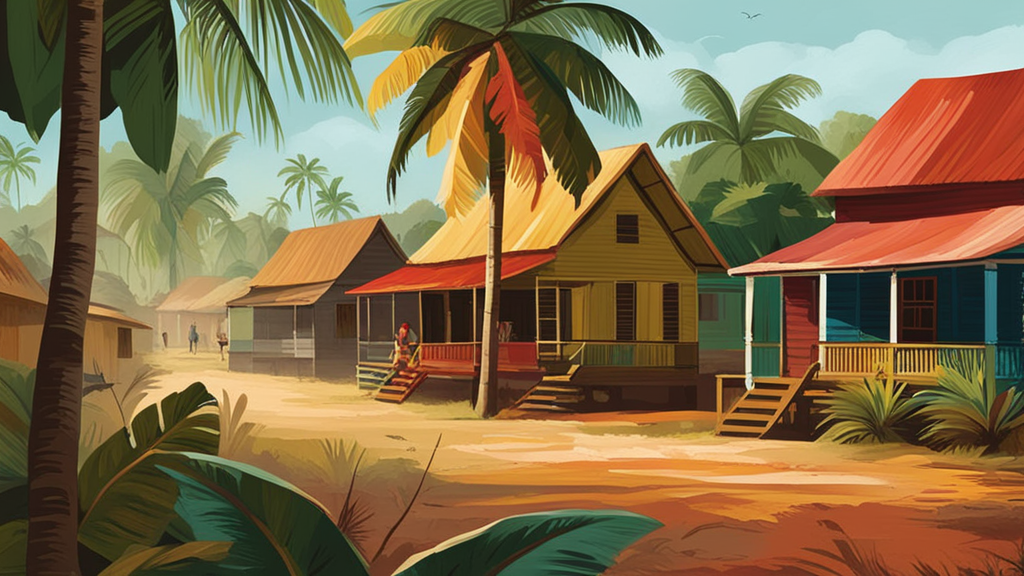
Settlement in Para District is primarily concentrated along the main roads and rivers, where accessibility is better. Villages and small towns typically feature a mix of residential properties, local businesses, and communal spaces. The population is diverse, comprising various ethnic groups, including Indo-Surinamese, Creoles, Maroons, and Amerindians, each contributing to the cultural mosaic of the area.
Housing varies from traditional wooden homes to more modern constructions, reflecting the residents' adaptability and economic conditions. Expatriates moving to Para District can find housing options that suit different budgets, typically ranging from modest rentals to more upscale accommodations.
Infrastructure and Transportation
Para District is well-connected by road, with the main highway facilitating access to Paramaribo and other regions. Public transportation options include minibuses and shared taxis, which are popular among locals and can be a cost-effective way for expatriates to travel. Additionally, the proximity to the river system allows for transportation via boat, enhancing connectivity, especially for remote communities.
However, it's important to note that road conditions may vary, particularly during the rainy season (April-August, November-February), when flooding can occur. Residents should be prepared for potential travel disruptions during these months.
Climate Considerations
Para District experiences a tropical rainforest climate with year-round temperatures ranging from 27°C to 32°C (80°F to 90°F). The region receives abundant rainfall, exceeding 2,000 millimeters annually. This climate supports the rich biodiversity and lush landscapes that characterize the area.
Understanding the seasonal weather patterns is crucial for expatriates, especially those planning outdoor activities or agricultural ventures. During the rainy season, it's advisable to invest in proper drainage systems for homes and businesses to prevent water damage and ensure a comfortable living environment.
What Expats Should Know
For expatriates considering a move to Para District, it’s important to familiarize yourself with local customs and community dynamics. Engaging with local residents and participating in community events can foster goodwill and integration. Additionally, understanding the local market for goods and services can help in budgeting and daily living.
Language can be a barrier, as Dutch is the official language while Sranan Tongo is widely spoken. Learning a few key phrases in either language can greatly enhance your interactions and help you build a social network.
Lastly, while Para District is generally safe, it's wise to stay informed about local safety concerns and to take standard precautions, especially when traveling to more remote areas.
Conclusion
Para District is a vibrant area in Suriname, blending rich cultural heritage with evolving industrial and settlement patterns. Understanding the local economy, climate, and community dynamics will equip expatriates and newcomers with the knowledge needed to thrive in this unique environment. With its accessibility to Paramaribo and various opportunities for economic engagement, Para District promises a rewarding experience for those willing to embrace its diverse offerings.
AI-Generated Content: This article was created with AI assistance and may contain inaccuracies. Please verify important information with official sources.
Primary Sources
Last updated: September 2026