
This guide was synthesized using the latest legislative data and verified by our editorial board. Laws are subject to change; always consult official sources for final confirmation.
Suriname is a vibrant tapestry of cultures, ethnicities, and traditions, each contributing to the unique Surinamese identity. With a population composed of various ethnic groups, this small South American nation showcases a rich blend of histories, languages, and customs. In this article, we will delve into the different ethnic communities in Suriname, their cultural practices, and how these elements intertwine to form a cohesive national identity.
Ethnic Composition of Suriname
Suriname's population is a mosaic of ethnic groups, each adding depth to the nation's cultural landscape. The country is home to various communities, including:
- Hindustani: A significant portion of the population, descended from Indian indentured laborers who arrived in the late 19th and early 20th centuries.
- Maroon: A notable group, these are descendants of enslaved Africans who escaped plantations and formed independent communities in the interior.
- Creole: This group includes people of mixed African and European descent, often with a rich cultural heritage.
- Javanese: Javanese immigrants arrived in the early 20th century as contract laborers.
- Mixed: This group reflects the intermingling of different ethnic backgrounds.
- Indigenous: These communities include various tribes such as the Arawak and Carib.
- Chinese: Primarily involved in trade and small businesses.
This diversity is a defining feature of Surinamese identity, influencing everything from cuisine to festivals and social interactions.
Cultural Practices and Festivals
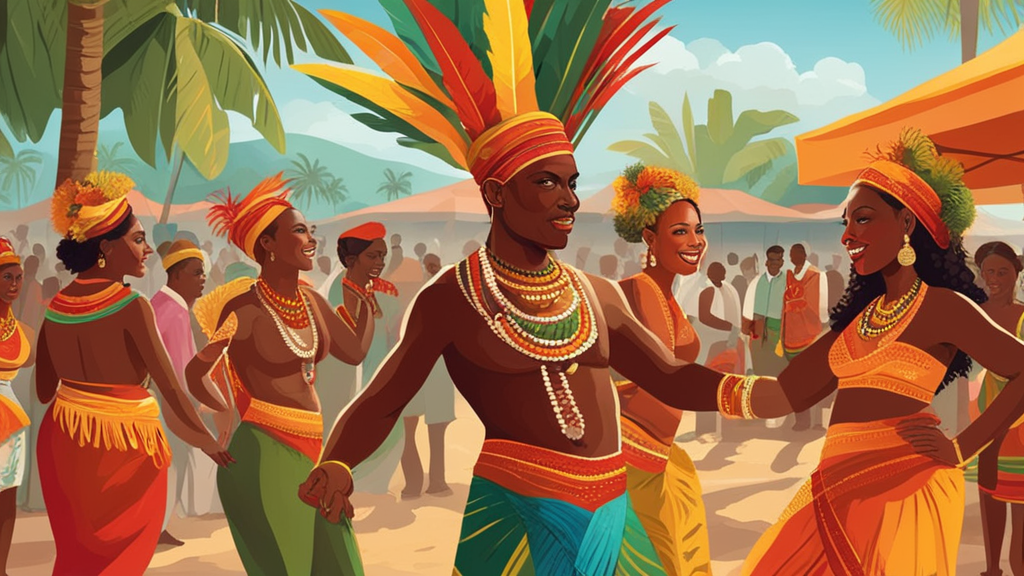
The ethnic diversity in Suriname is evident in its myriad cultural practices and celebrations. Festivals play a significant role in showcasing the vibrant traditions of each group.
National Holidays
One of the most significant national holidays is celebrated on July 1st. This day commemorates the abolition of slavery in Suriname in 1863. The event is marked by parades, speeches, and cultural performances, reflecting on the past while promoting unity among different ethnic groups. Expats are encouraged to participate in community events, which often include traditional music and dance, providing an excellent opportunity to interact with locals.
Holi and Diwali
The Hindustani community celebrates Holi in March, a festival of colors symbolizing the arrival of spring. Celebrants throw colored powders at each other, dance, and share traditional sweets. Similarly, Diwali, celebrated in October or November, marks a significant festival representing the victory of light over darkness. These festivals highlight the importance of community and joy in Surinamese culture, offering a unique experience for expatriates to engage with the local population.
Islamic Festivals
For the Javanese-Muslim and other Muslim communities, Eid al-Fitr and Eid al-Adha are significant events. These holidays involve communal prayers, feasting, and acts of charity. Understanding these cultural nuances can enhance your appreciation of Surinamese society, fostering deeper connections with your neighbors and colleagues.
Language and Communication
Language is a crucial aspect of cultural identity in Suriname. While Dutch is the official language, Sranan Tongo serves as the lingua franca among various ethnic groups. Sranan Tongo is a creole language that blends elements from African languages, Dutch, and English. Familiarizing yourself with basic phrases can be beneficial in everyday interactions.
For instance, learning greetings and expressions in Sranan Tongo can help you connect with locals. Simple phrases can go a long way in building rapport and showing respect for the local culture.
Surinamese Cuisine
The culinary landscape in Suriname reflects its multicultural identity. Each ethnic group contributes its flavors and cooking techniques, resulting in a diverse array of dishes. Traditional Surinamese cuisine includes:
- Roti: A popular flatbread often served with curried meats or vegetables, showcasing Indian influences.
- Pom: A Creole dish made from pomtayer root and often filled with chicken, it highlights the fusion of African and European culinary traditions.
- Nasi Goreng: A Javanese fried rice dish that is commonly enjoyed throughout the country.
- Bakabana: Fried plantains, a popular snack enjoyed by many communities.
Exploring local markets and eateries can provide an authentic taste of Surinamese cuisine. Engaging with local vendors can also offer insights into the cultural significance of various dishes and ingredients.
Practical Tips for Expats
As an expatriate in Suriname, understanding the multicultural landscape is vital for successful integration into society. Here are some practical tips:
- Be Respectful of Cultural Differences: Recognize that each ethnic group has its customs and traditions. Show respect for local practices, and be open to learning.
- Participate in Festivals: Attend local festivals and events to immerse yourself in the culture. This not only enriches your experience but also helps build connections with locals.
- Learn Basic Phrases: Familiarize yourself with Sranan Tongo phrases. This will enhance your communication and show your interest in the local culture.
- Explore Diverse Neighborhoods: Venture into different neighborhoods to experience the unique cultural aspects of each ethnic group. Each area has its own character and community spirit.
Conclusion
Suriname's identity is a reflection of its rich ethnic diversity, shaped by history, culture, and shared experiences. By understanding the different ethnic groups and their traditions, expatriates can navigate this multicultural society more effectively. Embrace the vibrant festivals, learn the local languages, and savor the diverse cuisine to truly experience the essence of Surinamese culture. Engaging with the community not only enhances your expat experience but also fosters a sense of belonging in this beautiful tropical nation.
AI-Generated Content: This article was created with AI assistance and may contain inaccuracies. Please verify important information with official sources.