
Relocating to Suriname or planning a visit? Understanding the visa biometric registration process is essential for a smooth transition. This guide will walk you through what to expect, from the types of visas available to the necessary documentation and common pitfalls to avoid.
Types of Visas and Eligibility
Suriname offers various visa types depending on your nationality and purpose of travel. The most common visas include tourist visas, business visas, and work permits. Dutch citizens, for instance, have different requirements compared to US or Brazilian nationals due to bilateral agreements.
Typically, tourists from countries requiring a visa must apply for an eVisa or Entry Fee before arriving. The eVisa is valid for single or multiple entries, allowing for stays of up to 90 days. For business purposes, a business visa is required, which may necessitate additional documentation such as an invitation letter from a Surinamese company.
Required Documents for Application
To initiate the biometric registration process, you must gather specific documents. Generally, applicants need:
- A valid passport with at least six months of validity remaining and one blank page.
- A completed visa application form, which can be filled out online.
- Recent passport-sized photographs that meet the biometric specifications.
- Proof of accommodation in Suriname, such as hotel reservations or an invitation from a host.
- Evidence of sufficient financial means to support your stay, typically shown through bank statements.
For those applying for a work visa, additional documents such as a work contract and proof of qualifications may be required. Always verify the specific requirements based on your nationality and visa type, as these can vary.
The Application Process Step-by-Step
The biometric registration process for a Suriname visa typically unfolds in several steps:
- Online Application: Begin by visiting the official Suriname eVisa website. Fill out the online application form, ensuring all information matches your passport details.
- Document Upload: Use OCR technology to upload the biometric page of your passport and any other required documents. Ensure that all files are clear and legible.
- Payment of fees: The visa fee is paid online with a credit or debit card, in USD or EUR, and the card does not have to be in your own name. No amount is given here: Suriname publishes it on its own portal, which could not be reached while this page was written, and the figures circulating on commercial visa sites disagree with one another. Check it on the official portal at the moment you pay.
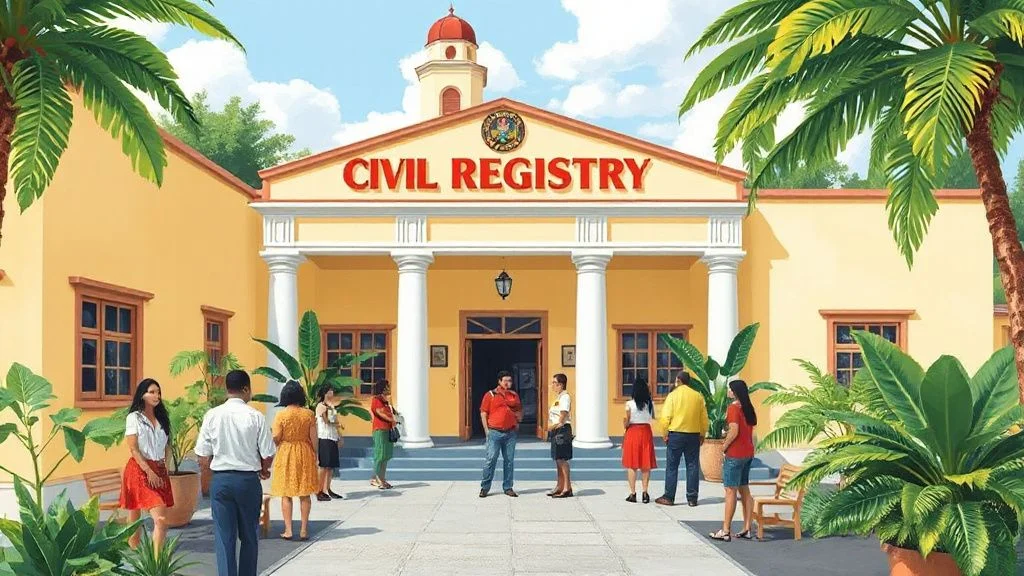
- Biometric Data Submission: After submitting your application, you may be required to visit a local embassy or designated biometric center to provide your fingerprints and photograph. This step is crucial for the processing of your visa.
- Await Processing: Once your application is submitted, you can expect a response within 72 hours, although it may take longer during peak seasons. If approved, your eVisa will be sent to your registered email.
It’s advisable to apply well in advance of your travel dates, especially if you are from a country with stricter visa requirements.
Common Rejection Reasons
Visa applications can be denied for various reasons. Understanding these can help you avoid pitfalls:
- Incomplete Documentation: Ensure all required documents are submitted. Missing information can lead to automatic rejection.
- Incorrect Information: Double-check that all details match your passport. Any discrepancies can cause delays or denials.
- Insufficient Financial Evidence: Be prepared to show that you can financially support yourself during your stay. Bank statements should reflect sufficient funds.
- Previous Immigration Violations: If you have a history of overstaying or violating visa conditions in Suriname or other countries, this may impact your application.
If your application is denied, you can typically reapply after addressing the reasons for rejection. Always keep copies of your submitted documents for reference.
Differences by Nationality
As mentioned earlier, visa requirements can differ significantly based on nationality. For example:
- Dutch Citizens: Often enjoy more lenient entry requirements due to historical ties, but still must comply with biometric registration.
- US Citizens: Must apply for a visa prior to travel and provide comprehensive documentation, including a return ticket.
- Brazilian Nationals: Generally have similar requirements to US citizens but may have different processing times.
Always check the latest guidelines specific to your nationality on the official Suriname immigration website.
Practical Tips for Expats
Here are some insider tips to help you navigate the visa biometric registration process effectively:
- Start Early: Begin your application process at least a month before your intended travel date to account for any unexpected delays.
- Keep Copies: Maintain copies of all submitted documents and correspondence. This will be helpful in case of any issues or if you need to reapply.
- Stay Informed: Immigration policies can change. Regularly check the official Suriname immigration website for updates.
- Use Reliable Payment Methods: Ensure your credit or debit card is enabled for international transactions to avoid payment issues.
- Seek Local Assistance: If you encounter difficulties, consider reaching out to local expat groups or forums for advice and support.
Conclusion
The biometric registration process for a Suriname visa is straightforward but requires careful attention to detail. By understanding the types of visas available, gathering the necessary documentation, and following the application steps meticulously, you can enhance your chances of a successful application. Remember to stay informed about any changes in immigration policies and seek assistance if needed. With proper preparation, your transition to Suriname can be smooth and enjoyable.