
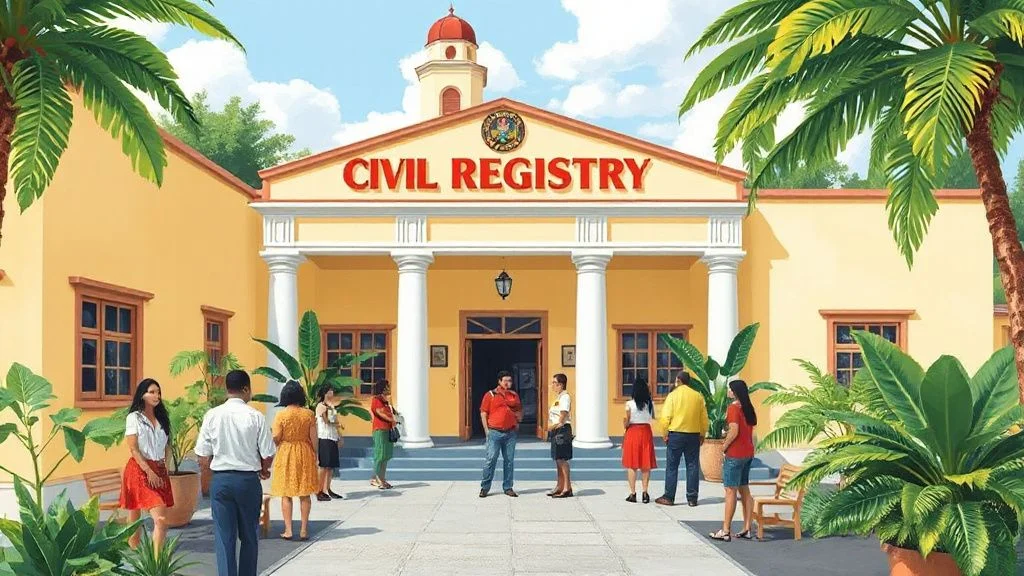
Relocating to Paramaribo, Suriname, involves navigating various administrative processes, one of which is civil registration. Understanding what vital events need to be registered, the timelines for registration, and the procedures involved is crucial for expatriates. This article provides a comprehensive guide to civil registration in Paramaribo, detailing what you need to know about registering births, marriages, deaths, and divorces.
Understanding Civil Registration in Suriname
The Central Office for Civil Registry in Suriname oversees the registration of vital events. This includes births, deaths, marriages, and divorces, which are essential for maintaining accurate demographic records. There are 10 districts in Suriname, with 42 field offices available to assist residents. Each type of registration has specific requirements and timelines that must be adhered to, especially for expatriates who may not be familiar with local laws.
Types of Vital Events Registered
In Suriname, the following vital events are registered:
- Births: Registration is mandatory and must occur in the district where the child is born.
- Deaths: Similar to births, deaths must be registered in the district where they occur.
- Marriages: Marriages can be registered either through a civil registrar or a religious official.
- Divorces: Divorces must be registered within a specified timeframe after the court's decision.
Registration of Births
When a child is born in Paramaribo, the birth must be registered within three days if born in the city and within 16 days if born in rural areas. This distinction is due to the logistical challenges faced in remote regions. The registration is free of charge if completed within the legal timeframe. If registration is delayed, particularly in rural areas, a penalty fee may apply.
Steps to Register a Birth
To register a birth, parents must visit the local civil registry office in the district where the birth occurred. The following documents are typically required:
- Identification documents of the parents (passport or national ID).
- Proof of residence in Suriname.
- Any medical documentation from the hospital or midwife confirming the birth.
After submitting the necessary documents, parents will receive a birth certificate, which is essential for future administrative processes, such as obtaining a passport or enrolling the child in school.
Registration of Deaths
Similar to births, deaths must be registered promptly. In Paramaribo, the registration must occur within 24 hours, while in rural areas, the timeframe extends to 16 days. Registration is also free if completed on time, but late registrations incur penalties.
Steps to Register a Death
To register a death, the family or representative must go to the civil registry office in the district where the death occurred. Required documents generally include:
- Identification of the deceased.
- Death certificate issued by a medical professional.
- Proof of relationship to the deceased (if applicable).
Once registered, the family will receive a death certificate, which is necessary for settling the deceased's estate and other legal matters.
Registration of Marriages
Marriages in Suriname can be conducted by civil registrars or religious officials. While there is no strict timeline for registering a marriage, it is advisable to do so within a few days of the ceremony to avoid complications in legal recognition.
Steps to Register a Marriage
To register a marriage, couples must visit the civil registry office in the district where the marriage took place. Required documents typically include:
- Identification documents of both parties.
- Proof of residency in Suriname.
- Any previous divorce decrees or death certificates if either party was previously married.
After submitting the documents, couples will receive a marriage certificate, which is crucial for legal recognition of the marriage and for any future immigration processes.
Registration of Divorces
Divorces must be registered within six months of the court's decision. If this timeframe lapses, the marriage remains valid, and the individual must start the divorce process anew.
Steps to Register a Divorce
To register a divorce, individuals must go to the civil registry office in the district where the marriage was celebrated. Required documents typically include:
- Divorce decree issued by the court.
- Identification of the individual registering the divorce.
- Proof of marriage (marriage certificate).
Once registered, individuals will receive a divorce certificate free of charge, which is necessary for any subsequent legal matters or remarriage.
Practical Tips for Expats
As an expatriate in Paramaribo, navigating the civil registration process can be daunting. Here are some practical tips to streamline your experience:
- Language Barrier: Ensure you have a translator or someone fluent in Dutch if you are not comfortable with the language, as official documents and processes are often conducted in Dutch.
- Documentation: Always keep multiple copies of your identification and any relevant documents. This can expedite the registration process.
- Timeliness: Adhere to the registration timelines to avoid penalties. If you anticipate delays, consult with the civil registry office for guidance.
- Local Assistance: Consider hiring a local consultant or legal advisor familiar with civil registration to assist with the process.
Conclusion
Civil registration in Paramaribo is a vital process for expatriates, encompassing births, deaths, marriages, and divorces. Understanding the requirements, timelines, and procedures can significantly ease the transition into life in Suriname. By following the outlined steps and utilizing the practical tips provided, expats can navigate civil registration efficiently, ensuring compliance with local laws and regulations.
Primary Sources
Last updated: October 2026