
This guide was synthesized using the latest legislative data and verified by our editorial board. Laws are subject to change; always consult official sources for final confirmation.
For expatriates moving to Suriname, understanding the local school system is crucial for ensuring a smooth transition for your children. The education system here is distinct and operates on a schedule that may differ significantly from what families are accustomed to in Western Europe or North America. This guide breaks down the Suriname school system, detailing grades, ages, and practical considerations for families settling in this tropical paradise.
Overview of the Suriname Education System
The Suriname education system is structured into several levels: primary, secondary, vocational, and tertiary education. The official language of instruction is Dutch, although many children also learn English, especially in international schools. The system is influenced by historical ties to the Netherlands, but it has evolved to meet local needs.
Primary Education
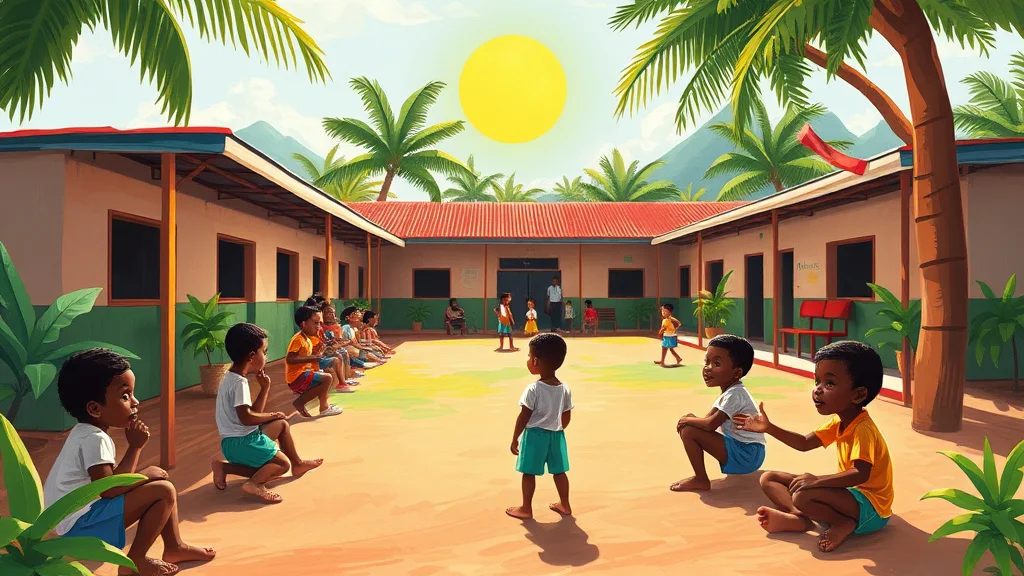
Primary education in Suriname, known as "basisschool," typically begins at age six and lasts for six years. Children advance through eight grades: the first two grades (formerly known as kindergarten) focus on foundational skills, while grades three to eight are designated as Ordinary Primary Education (GLO). More than 90% of children in Suriname attend primary school, with the government providing free education, albeit with religious institutions playing a significant role in school management.
Classes generally start at 8:00 AM and end around 12:30 PM. Parents should be aware that the quality of education can vary, with some schools having well-trained teachers while others may struggle with teacher competence. Expat families often find that local schools offer a rich cultural experience, but they may also choose to enroll their children in international schools for a curriculum closer to what they're used to.
Secondary Education: Transitioning to High School
After completing primary education, students move on to secondary education, known as "voortgezet onderwijs." This phase typically starts at age 12 and is divided into three levels: onderbouw (lower), middenbouw (middle), and bovenbouw (upper). The lower secondary education lasts for two years (grades 9 and 10), followed by two additional years of middle secondary education (grades 11 and 12).
During the onderbouw, students explore a mix of academic and vocational subjects, laying the groundwork for their educational trajectory. At the end of this stage, students take an exam that determines their next steps. Those who excel are placed in the academic stream, which leads to the vwo (pre-university education), while others may enter vocational programs or the havo (higher general education) track.
Academic and Vocational Tracks
Suriname offers various academic and vocational pathways. The vwo program prepares students for university and consists of grades 11 to 15, while the havo program spans grades 11 to 14, focusing on higher vocational education. Meanwhile, vocational education includes multiple streams, such as technical and economic studies, and prepares students for immediate entry into the workforce. This bifurcation allows students to pursue their interests and strengths effectively.
Expat families should consider the academic orientation of their children when choosing a school. For example, international schools often provide a curriculum that aligns more closely with Western standards, which can ease the transition for students from abroad.
Tertiary Education: A Path to Higher Learning
Tertiary education in Suriname is available through various institutions, including the Anton de Kom University, which is the only state university in the country. Admission to this university typically requires a vwo diploma or a completed hbo (higher vocational education) propaedeutic year. Programs at the university span various fields, including medical sciences, technology, and social sciences, catering to a wide range of academic interests.
Expatriate students often find the transition to higher education in Suriname manageable, particularly if they have completed their secondary education in an international or high-standard institution. However, families should be aware of the competitive nature of university admissions and the importance of academic performance in securing a spot in desired programs.
Challenges in the Education System
Practical Tips for Expat Families
For expatriate families navigating the Suriname school system, here are some practical tips:
- Research Schools: Investigate both local and international schools to find the right fit for your child. Consider factors like curriculum, language of instruction, extracurricular activities, and the school environment.
- Understand Enrollment Procedures: Schools often have specific enrollment procedures and timelines. It's advisable to start this process early and check for any required documentation, such as previous school records and vaccination certificates.
- Engage with the Community: Join parent groups and local forums to connect with other expatriate families. This can provide insights into schools, extracurricular activities, and general life in Suriname.
- Language Support: If your child is not fluent in Dutch, consider language support programs or tutors to help them adjust more comfortably in class.
- Cultural Adaptation: Encourage your children to engage with local peers and participate in cultural activities, which can enhance their adaptation process and provide enriching experiences.
Conclusion
Understanding the Suriname school system is vital for expatriate families aiming to provide their children with a quality education while living in this vibrant country. From primary through tertiary education, the system offers various pathways tailored to student needs. By researching schools, understanding the enrollment process, and engaging with the local community, families can navigate the educational landscape effectively. With the right approach, your children can thrive academically and culturally in Suriname.
AI-Generated Content: This article was created with AI assistance and may contain inaccuracies. Please verify important information with official sources.
Last updated: October 2026