This guide was synthesized using the latest legislative data and verified by our editorial board. Laws are subject to change; always consult official sources for final confirmation.
Commewijne, a captivating district located just east of Paramaribo, offers a unique glimpse into Suriname's colonial past through its plantation ruins. This guide will take you through the historical sites, cultural experiences, and practical advice for navigating this fascinating region.
A Glimpse into Commewijne's Plantation History
Historically, Commewijne was the agricultural heart of Suriname, characterized by vast plantations dedicated to sugar, coffee, cocoa, and cotton production. As you explore this area, you will encounter the remnants of these once-thriving estates, which today stand as poignant reminders of a complex past shaped by colonization and the legacy of slavery. The plantations were primarily operated by enslaved Africans, followed by indentured laborers from India, Indonesia, and China after slavery was abolished. Visiting these sites allows you to connect deeply with the historical narratives that define Suriname.
Among the most significant plantation ruins are Mariënburg and Frederiksdorp, each offering a distinct perspective on the lives of those who once worked these lands. Mariënburg, once a bustling sugar estate, features crumbling factory ruins that reflect the industrial ambition of the past. In contrast, Frederiksdorp has been restored and serves as both a historical guesthouse and museum, providing insights into plantation life.
Notable Plantation Sites in Commewijne
Mariënburg Plantation
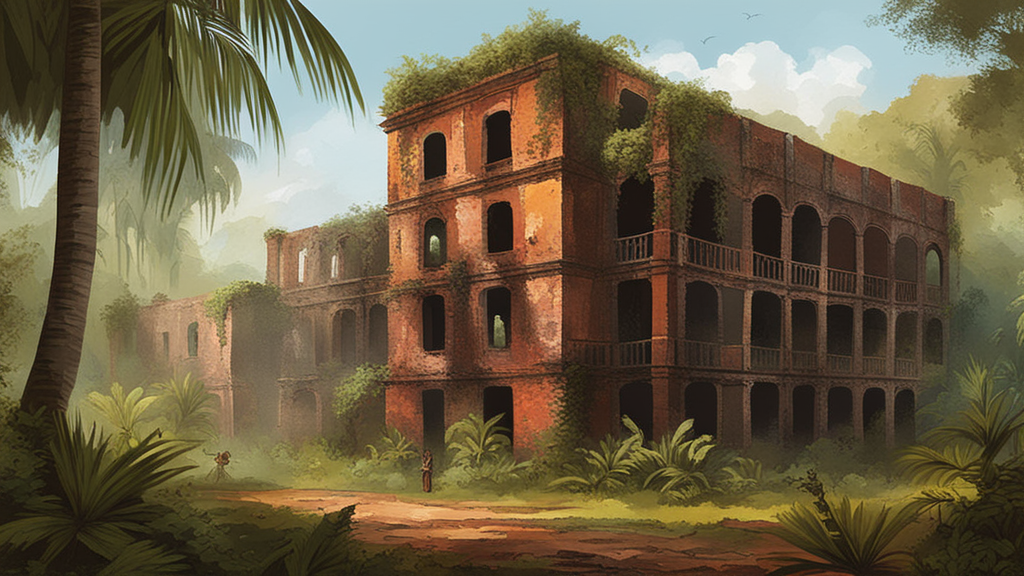
Mariënburg is perhaps the most well-known plantation in the region. Visitors can walk through the ruins of the sugar factory, where rusty machinery and decaying brickwork tell stories of the workers who toiled there. This site invites reflection on the economic forces and human struggles that shaped not only Suriname but also the broader Caribbean context.
Frederiksdorp Plantation
Unlike the ruins of Mariënburg, Frederiksdorp has been beautifully restored to showcase plantation life. Once a coffee and cocoa plantation, it now operates as a historical guesthouse and museum. Visitors can stroll the grounds, appreciating the colonial architecture while learning about the lives of both the plantation owners and the laborers. Frederiksdorp serves as an excellent base for exploring the surrounding historical sites and offers a window into the daily life of the plantation era.
Exploring Other Historical Sites
Beyond Mariënburg and Frederiksdorp, several other plantations such as Rust en Werk, Johanna Margaretha, and Alkmaar are scattered throughout the landscape. While some may be less accessible or have fewer visible remnants, they contribute significantly to the historical narrative of the area. Many still feature old manager's houses, workers' quarters, and remnants of processing facilities, inviting visitors to delve deeper into the district's past.
The Commewijne River served as a vital transportation artery for the plantations, allowing produce to be shipped directly to Paramaribo and beyond. Today, river tours often follow these historic routes, offering a unique perspective on the area’s agricultural history.
Cultural Experiences in Commewijne
The cultural landscape of Commewijne is a rich tapestry woven from the diverse backgrounds of its inhabitants. The descendants of enslaved Africans, Indian indentured laborers (Hindustani), Javanese immigrants, and indigenous communities coexist, creating a vibrant community. This cultural fusion is evident in local cuisine, festivals, and traditions, making it an integral part of your visit.
Sample traditional dishes at local eateries, where Javanese warungs serve satay and nasi goreng alongside Hindustani restaurants offering roti and curries. Festivals throughout the year showcase the district's multicultural heritage, providing an immersive experience for visitors.
River Tours: A Unique Perspective
One of the best ways to experience the historical and natural beauty of Commewijne is through river tours. These excursions typically begin with a leisurely cruise along the Suriname River and the Commewijne River, where you can enjoy the lush scenery while learning about the region's history. A highlight of many tours is the opportunity to spot the playful Surinamese river dolphins (Guiana dolphins), which are often seen surfacing near the confluence of the rivers.
Birdwatchers will also delight in the diverse avian life along the riverbanks. Many tour operators offer packages that combine dolphin spotting with guided explorations of the plantation ruins, making it a memorable experience.
Practical Tips for Visiting Commewijne
- Getting There: Commewijne is easily accessible from Paramaribo via a short ferry or taxi ride. Expect travel times of around 30 minutes to an hour, depending on traffic and the specific plantation site you wish to visit.
- Best Time to Visit: The dry season, from February to April and August to November, is ideal for exploring outdoor sites. Rainy season (April-August, November-February) can lead to muddy paths and potential disruptions.
- Safety Considerations: While Commewijne is generally safe for tourists, it is wise to stay aware of your surroundings, especially in less populated areas. Consider traveling in groups, particularly during evening excursions.
- What to Bring: Wear comfortable shoes suitable for walking on uneven terrain, and don’t forget insect repellent and sunscreen. Hydration is key in the tropical climate, so bring a water bottle.
Conclusion
Exploring the plantation ruins of Commewijne provides a profound insight into Suriname's rich history and cultural heritage. From the haunting remnants of Mariënburg to the beautifully restored Frederiksdorp, each site offers a unique perspective on the past. Combine your historical explorations with local cultural experiences and scenic river tours for an unforgettable journey through this captivating region. Prepare to be immersed in a landscape where history, culture, and nature converge.
AI-Generated Content: This article was created with AI assistance and may contain inaccuracies. Please verify important information with official sources.
Primary Sources
Last updated: September 2026