
This guide was synthesized using the latest legislative data and verified by our editorial board. Laws are subject to change; always consult official sources for final confirmation.
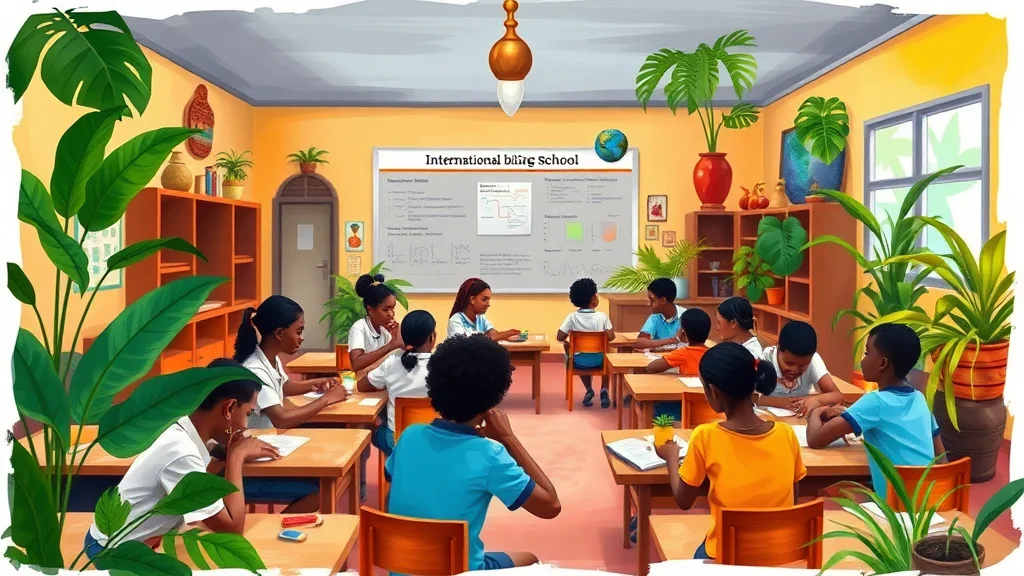
For expatriates considering education options in Suriname, the International Baccalaureate (IB) curriculum represents a robust choice. This article delves into the IBO curriculum, its structure, and how it prepares students for global citizenship, providing valuable insights for families and international professionals navigating the local education landscape.
Understanding the International Baccalaureate Curriculum
The International Baccalaureate, founded in 1968, offers a comprehensive education framework that spans four programs, including the Primary Years Programme (PYP), Middle Years Programme (MYP), and Diploma Programme (DP). In Suriname, the DP is particularly significant, designed for students aged 16 to 19. The curriculum is recognized globally for its rigorous academic standards and holistic approach to education, fostering critical thinking and cultural awareness.
Suriname's IB schools typically follow the same standards and practices as their global counterparts, focusing on developing students into well-rounded individuals. This includes not just academic success but also personal growth through community service and extracurricular activities. Classes are often taught in English, making it accessible for expatriates who may not speak Dutch or Sranan Tongo fluently.
Core Components of the IB Diploma Programme
The IB Diploma Programme comprises six subject groups and three core components that distinguish it from traditional educational systems. The subject groups cover a wide array of disciplines, including Language and Literature, Language Acquisition, Individuals and Societies, Sciences, Mathematics, and the Arts. This breadth enables students to explore various interests while ensuring a balanced educational experience.
In addition to the subject groups, the core components include Theory of Knowledge (TOK), which encourages students to reflect on knowledge acquisition; Creativity, Activity, Service (CAS), promoting personal growth through community involvement; and the Extended Essay (EE), a 4,000-word independent research project. These elements collectively prepare students not just for university but for life as informed global citizens.
Why Choose an IB School in Suriname?
For expatriate families, choosing an IB school can significantly impact their children's future academic and professional opportunities. The IB curriculum is widely recognized by universities around the globe, particularly in North America and Western Europe, often leading to an edge in university admissions. Many expatriates find that the skills developed through the IB’s inquiry-based approach translate well into higher education and career paths.
Moreover, the international environment of IB schools fosters cultural exchange and understanding, essential for students from diverse backgrounds. This exposure helps students develop a global mindset, skills that are increasingly valued in today’s interconnected world. Families can often connect with others from similar backgrounds, creating a supportive community in an unfamiliar environment.
Practical Considerations for Expat Families
When relocating to Suriname, parents often have specific concerns about their children's education. Understanding the admission process for IB schools is essential. Typically, these schools require documentation such as previous academic records and may have interviews or assessments as part of their selection criteria. It's advisable for families to reach out directly to the IB schools in Paramaribo to understand their specific requirements and deadlines.
In terms of daily life, expatriates should be aware of the local culture and educational environment. Suriname's tropical climate means that school activities may incorporate outdoor learning and community engagement in nature. Parents often find that schools encourage participation in local events, fostering a sense of belonging and connection to Surinamese culture.
Cultural Nuances and Adaptation
Suriname is a diverse nation with a rich tapestry of cultures, and this diversity often reflects in the classroom. Expat students may initially feel overwhelmed by the blend of languages and traditions, but schools typically promote inclusivity and respect for all cultural backgrounds. Participating in local customs and festivals can help expatriate children adapt more quickly while enriching their educational experience.
Moreover, the concept of "Ubuntu," which emphasizes community and mutual support, is integral to Surinamese culture and is often mirrored in the cooperative spirit of IB classrooms. Expat families may find that engaging with local parents and participating in school activities enhances their children's social integration and personal development.
What Expats Should Know
As expatriates navigate the educational landscape in Suriname, several practical tips can enhance their experience:
- Research Schools: Explore various IB schools in Paramaribo; each may have different strengths, extracurricular offerings, and community engagement opportunities.
- Prepare Documents: Ensure all academic records and necessary documentation are ready for school applications to streamline the admission process.
- Engage with the Community: Participate in local events and school functions to foster connections with other families and support your child's integration.
- Understand Local Culture: Embrace and learn about Surinamese customs and traditions, which can greatly enrich your family's expatriate experience.
Conclusion
The International Baccalaureate curriculum in Suriname offers expatriate families a unique educational opportunity that prepares students for a globalized world. With its rigorous academic framework and emphasis on personal development, the IB program not only equips students for university but also fosters a deep understanding of cultural diversity. By choosing an IB school, expat families can ensure their children receive a well-rounded education that transcends borders.
AI-Generated Content: This article was created with AI assistance and may contain inaccuracies. Please verify important information with official sources.
Last updated: October 2026