
This guide was synthesized using the latest legislative data and verified by our editorial board. Laws are subject to change; always consult official sources for final confirmation.
Raising children in a multicultural environment like Suriname offers a unique opportunity for expat families to instill a rich sense of identity and belonging. This guide will provide practical insights on how to navigate the complexities of multicultural upbringing, ensuring that children appreciate their diverse backgrounds while integrating into the vibrant Surinamese society.
Understanding Suriname's Multicultural Landscape
Suriname is home to a mosaic of cultures, including Hindustani, Javanese, Maroon, Creole, Indigenous, and Chinese communities. Each group contributes to the country's cultural richness, offering a diverse experience for children. Understanding this landscape is crucial for expat families. With the majority of the population being ethnically diverse, children will benefit from exposure to various customs, traditions, and languages.
For instance, festivals like Keti Koti on July 1st commemorate the abolition of slavery and involve vibrant parades and community gatherings. Participating in such events allows children to witness firsthand the significance of cultural history while fostering a sense of pride in their heritage. Additionally, festivals like Phagwa (Holi) and Diwali provide excellent opportunities for families to engage in joyous celebrations filled with color, music, and traditional foods.
Practical Ways to Nurture Multicultural Identity
1. Embrace Cultural Heritage
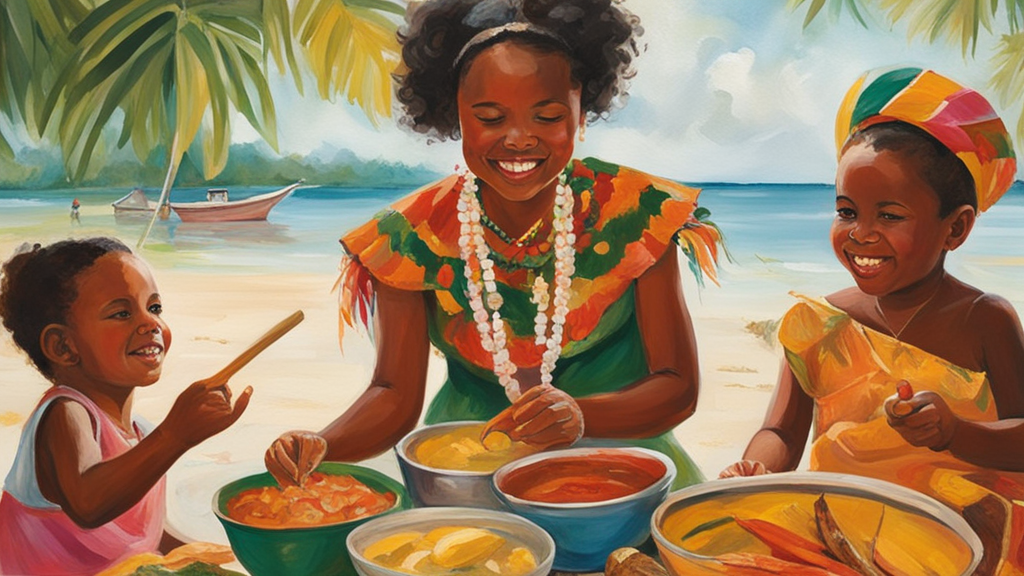
Expat families should actively celebrate their cultural backgrounds at home. This can involve cooking traditional meals, sharing stories about family traditions, or engaging in cultural practices. Cooking a traditional dish from your heritage not only introduces children to their roots but also allows them to understand the significance behind certain foods.
For example, if a family has Indian roots, preparing traditional dishes such as curry or biryani can lead to discussions about the spices used, their origins, and what these meals mean to the family. Encourage children to participate in the cooking process, which can be a fun and educational bonding experience.
2. Language Learning
Language plays a key role in cultural identity. Teaching children their heritage language can empower them to connect with their roots. Even if fluency is not achievable, learning key phrases and greetings can create a sense of belonging. Many local language schools and community centers in Paramaribo offer language classes that focus on both Dutch and Sranan Tongo, the lingua franca, which can help expat children integrate more easily.
Additionally, incorporating language learning into daily routines can be effective. For instance, parents can label household items in both the heritage language and Sranan Tongo, creating an immersive learning environment at home.
Engaging with the Local Community
3. Participation in Cultural Events
Attending local cultural events is an excellent way for expat children to engage with the community and meet peers from diverse backgrounds. Events like Keti Koti and Phagwa not only celebrate the rich history of Suriname but also provide spaces for children to learn about different cultures. Encourage your children to participate in activities during these festivals, such as dancing, traditional crafts, or games.
In addition to festivals, local schools often host cultural days where children can showcase their heritage. Participating in such events allows children to express their identity and learn from others, fostering mutual respect and understanding.
4. Create a Multicultural Home Environment
Creating a home that reflects a blend of cultures can reinforce the importance of multicultural identity. This can be achieved through decor, literature, and art from various cultures. Families can display flags, artwork, or crafts from their heritage alongside local Surinamese art.
Involving children in decorating their personal spaces with items that reflect their diverse backgrounds can instill pride. Encouraging them to read books and watch films that highlight different cultures is another way to enhance their understanding. Organizing family movie nights where each member chooses a film related to their cultural background can be both fun and educational.
Educational Opportunities and Resources
5. Local Schools and Multicultural Education
Suriname's educational system offers a unique opportunity for expat children to learn in a multicultural environment. Several international schools in Paramaribo cater to diverse backgrounds, providing curriculums that emphasize multicultural education. These institutions often celebrate various cultural events, allowing children to learn about their peers' traditions and histories.
Parents should take the time to research schools that prioritize cultural awareness and sensitivity. Engaging with teachers and school staff to understand the curriculum can help parents align their home education with what children learn at school, creating a cohesive learning experience.
6. Community Organizations and Support Networks
Joining local expat and multicultural organizations can provide valuable support and resources. These groups often organize events, workshops, and cultural exchanges that can help children connect with others from similar backgrounds. Additionally, they can offer parents a platform to share experiences and advice on raising children in a multicultural context.
Many communities in Paramaribo have informal playgroups and cultural clubs where children can interact, play, and learn together. These settings can provide a sense of belonging and help children feel more comfortable navigating their multicultural identities.
What Expats Should Know
7. Celebrating Diversity at Home
Encouraging open discussions about cultural differences can help children appreciate diversity. Create an environment where children feel safe to ask questions about their heritage and the cultures of their friends. This can lead to meaningful conversations that foster understanding and empathy.
Expat families should also encourage children to explore their cultural identities through art and music. Creating a family art project that represents each culture can be a fun and engaging way to learn. For example, every family member can contribute elements that represent their heritage, resulting in a collaborative artwork that celebrates diversity.
8. Monitoring Cultural Integration
As children grow, their perceptions of identity may evolve. Parents should stay attuned to how their children are integrating into Surinamese society while balancing their cultural backgrounds. Regular family discussions can help gauge children's feelings about their identities and ensure they feel supported.
Encourage children to articulate their experiences, whether they feel more connected to one culture over another or how they perceive their multicultural identity. This ongoing dialogue can help parents understand their children's experiences and reinforce the importance of both their heritage and the culture they live in.
Conclusion
Raising expat children in Suriname presents an enriching opportunity to cultivate a strong multicultural identity. By actively embracing cultural heritage, engaging with the local community, and fostering open discussions about diversity, families can help their children develop a balanced understanding of their backgrounds. The key is to create a nurturing environment that celebrates both their roots and the rich cultural tapestry of Suriname. This approach will not only empower children to embrace their identities but also prepare them to thrive in an increasingly interconnected world.
AI-Generated Content: This article was created with AI assistance and may contain inaccuracies. Please verify important information with official sources.
Last updated: September 2026