
This guide was synthesized using the latest legislative data and verified by our editorial board. Laws are subject to change; always consult official sources for final confirmation.
Relocating to a new country can be both exciting and overwhelming, especially for families. Suriname, with its rich culture and welcoming environment, offers a unique experience for expatriates. This article outlines a comprehensive ninety-day timeline to help families settle into Suriname, covering essential tasks, cultural adaptation, and practical tips to ensure a smooth transition.
Week 1-2: Arrival and Initial Settling In
Finding Temporary Accommodation
Upon arrival in Paramaribo, families should focus on securing temporary accommodation. Options include serviced apartments, short-term rentals, or local hotels. Typically, short-term rentals can range from $500 to $1,200 per month depending on the size and location. Areas like the city center offer easy access to amenities and attractions, making it ideal for first-time visitors. Research neighborhoods such as Centrale Markt or the historic inner city, a UNESCO World Heritage Site, for their vibrant atmosphere and cultural significance.
Understanding Local Customs and Culture
Suriname is known for its diverse culture, with influences from Indigenous, African, Indian, and Dutch heritage. As families settle in, it’s essential to familiarize themselves with local customs. For instance, greeting people with a smile and a handshake is common. Participate in local events or festivals to learn about Surinamese traditions. This not only helps in adapting but also in building relationships with locals, which can be invaluable for support systems.
Week 3-4: Establishing a Routine
Setting Up Utilities and Services
Once families are comfortable in their temporary accommodation, setting up utilities is next. In Suriname, families will need to arrange for electricity (127V/60Hz), water, and internet services. While electricity is typically reliable, it’s advisable to check with neighbors or local expats about the best providers. Monthly utility costs can average around $150 for a family, including internet and air conditioning, which is essential for the tropical climate.
Registering with Local Authorities
It’s crucial for expatriates to register their presence with local authorities. This process typically involves visiting the local municipality to register your address and obtain necessary documentation. This not only helps in legal matters but also in accessing local services. Ensure all family members have their identification documents ready for a smooth registration process.
Week 5-6: Education and Healthcare
Finding Schools for Children
For families with children, finding the right school is paramount. Suriname offers various international schools that provide curricula in English, Dutch, and other languages. Research options such as private international schools that cater to expatriates. Tuition fees can vary significantly, so it's advisable to budget around $3,000 to $10,000 annually per child, depending on the institution. Visit schools to understand their culture and teaching methods before making a decision.
Healthcare Considerations
In terms of healthcare, registering with a local doctor or clinic is essential for any medical needs. Paramaribo has several clinics that cater to expatriates, offering a range of services. Ensure you have health insurance that covers international care and consider vaccinations recommended for tropical climates. Typical costs for basic healthcare services can be lower than in North America or Western Europe, making it more accessible.
Week 7-8: Building a Community
Connecting with Other Expat Families
Establishing a support network can significantly ease the transition. Join expat groups or local community organizations where families can share experiences and tips. Online platforms frequently host meetups for newcomers, offering a chance to connect with other families in similar situations. Engaging with the local community can also provide insights into cultural nuances and help families feel more at home.
Exploring Local Cuisine and Markets
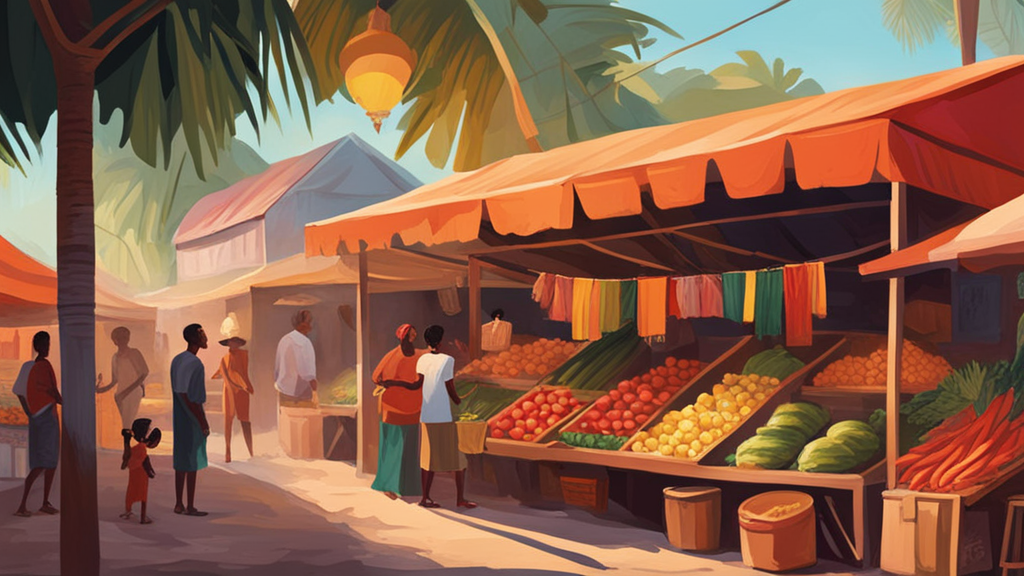
Surinamese cuisine is a delightful blend of various cultural influences. Take time to explore local markets and eateries to experience traditional dishes such as pom and saoto. Shopping at local markets can be an adventure, with fresh produce and unique spices available at reasonable prices. Families can expect to spend about $200 to $400 monthly on groceries, depending on dietary preferences and habits.
Week 9-12: Integration and Long-Term Plans
Exploring Long-Term Housing Options
As families become more settled, it’s time to consider long-term housing. Research neighborhoods that cater to expatriates, such as the upscale areas near the ocean or suburbs like Flora. Monthly rents can vary widely, ranging from $800 to $2,500 depending on the size and amenities of the property. Evaluate schools, transportation, and community services while choosing a permanent home.
Embracing Surinamese Lifestyle
Finally, integrating into Surinamese life requires embracing local traditions and activities. Attend cultural festivals, engage in community service, or take part in local sports. Understanding and respecting cultural practices can significantly enhance family life in Suriname. Families should also explore the stunning natural landscapes, including rainforests and rivers, which are perfect for weekend adventures.
What Expats Should Know
Relocating to Suriname comes with its unique challenges and rewards. Here are a few insider tips:
- Learn some basic Dutch or Sranan Tongo phrases to ease communication.
- Be prepared for a slower pace of life; patience is key.
- Explore the local wildlife and nature; Suriname is home to breathtaking biodiversity.
- Always have cash on hand, as not all places accept credit cards.
In conclusion, settling into Suriname as a family requires careful planning and active engagement with the local community. By following this ninety-day timeline, families can create a solid foundation for a fulfilling life in this vibrant country. Embrace the culture, build connections, and enjoy the unique experiences that Suriname has to offer.
AI-Generated Content: This article was created with AI assistance and may contain inaccuracies. Please verify important information with official sources.