This guide was synthesized using the latest legislative data and verified by our editorial board. Laws are subject to change; always consult official sources for final confirmation.
For expatriates living in Suriname, navigating the local pharmacy system can seem daunting at first. From understanding how prescriptions work to knowing where to find the right medications, this guide will provide practical insights based on real expat experiences. Whether you are a digital nomad, a professional relocating for work, or a family settling down, understanding the pharmacy landscape is essential for managing your health in this tropical paradise.
How the Pharmacy Prescription System Works
In Suriname, the pharmacy system operates differently than in Western countries. Prescriptions are typically issued by licensed medical practitioners, including general practitioners and specialists. Once you have a prescription, you can fill it at one of the many pharmacies located primarily in urban areas like Paramaribo. These pharmacies are equipped to handle a variety of medications, from common over-the-counter drugs to more specialized prescriptions.
The pharmacy system in Suriname is designed to ensure that pharmacies meet certain standards for quality and safety. Generally, the process begins with a consultation with a doctor, who will assess your health needs and prescribe the necessary medications. Prescriptions usually include the patient's name, the prescribed medication, dosage instructions, and the physician's signature, which is crucial for the pharmacy staff to fill your order correctly.
Common Practices for Obtaining Medications
When visiting a pharmacy, be prepared with your prescription and any identification that may be required. It is advisable to convert your currency beforehand, as cash payments are commonly accepted. While some pharmacies may accept credit cards, having cash handy is typically more convenient.
Once you arrive at the pharmacy, you will present your prescription to the pharmacist. The pharmacist will review it to ensure that it meets all necessary criteria. If the medication is available, the pharmacist will dispense it to you. If not, they may suggest alternatives or inform you about when the product will be back in stock. This is particularly important as some medications may be scarce, and it's beneficial to know about alternative treatment options.
Types of Pharmacies in Suriname
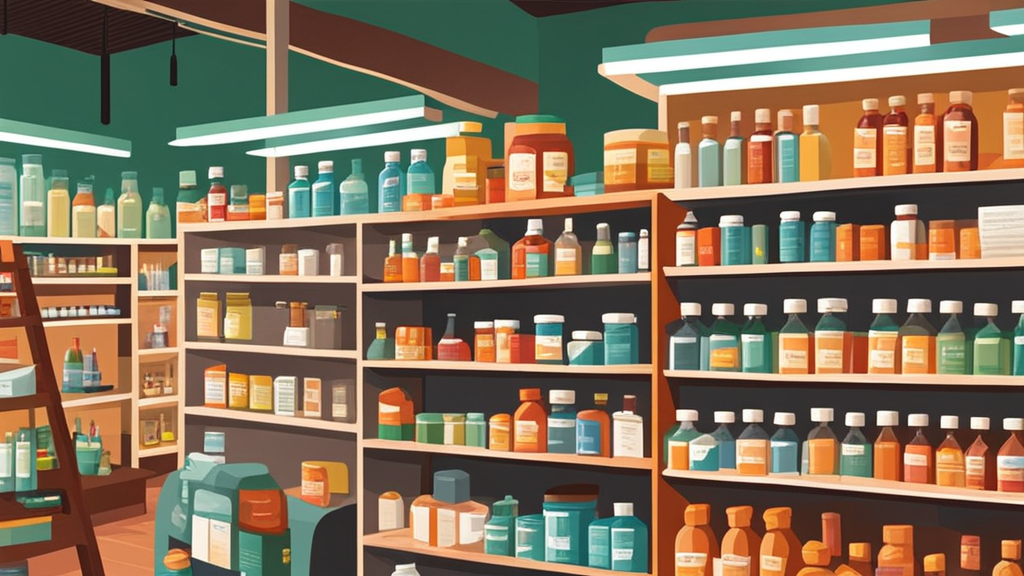
Suriname hosts a range of pharmacy types, from large chain pharmacies to smaller, independent shops. Chain pharmacies often provide a more extensive selection of medications and health products, while independent pharmacies might offer more personalized service. In urban areas, you will find various pharmacies that cater to different health needs.
Additionally, many local pharmacies have a section dedicated to over-the-counter (OTC) drugs, where you can purchase common medications for ailments such as headaches, colds, or digestive issues without a prescription. It’s essential to have a basic understanding of the local medicine names, as they may differ from what you are accustomed to in your home country. A quick online search or a translation app can help bridge this gap.
Understanding Prescription Medication Availability
While many common medications are readily available, some specialized drugs may not be stocked in every pharmacy. It can be beneficial to identify a few pharmacies in your neighborhood and establish a rapport with the staff. They can often inform you about the availability of medications and even assist you in ordering specific items if they are not in stock.
In some cases, if you have a chronic condition requiring ongoing medication, it may be wise to bring a supply with you when you move to Suriname. This can help you avoid potential delays in obtaining your prescriptions locally.
Pharmacy Hours and Accessibility
Pharmacy hours in Suriname can vary, with many pharmacies operating during standard business hours on weekdays. Some larger pharmacies may have extended hours or be open on weekends, but this is not universally applicable. It’s advisable to check the specific hours of your local pharmacy, especially if you find yourself needing medication outside of regular business hours.
For expats living outside of urban areas, pharmacy accessibility can be a bit more limited. In rural areas, pharmacies may not be as plentiful, and you might need to travel to a nearby town to find the medications you need. Always plan ahead and know the locations of pharmacies in your area to avoid any last-minute scrambles.
Practical Tips for Expatriates
Here are some insider tips for navigating the pharmacy system in Suriname:
- Learn Basic Local Terminology: Familiarizing yourself with common medical terms in Dutch and Sranan Tongo can be beneficial, especially if you need to communicate specific health concerns or clarify medication details.
- Keep Copies of Prescriptions: Always keep a copy of your prescriptions in case you need to get a refill or if you switch pharmacies. This helps ensure that you have all necessary documentation at hand.
- Establish a Relationship with Your Pharmacist: Building rapport with the pharmacy staff can be advantageous. They may provide valuable advice about local health care practices and help you navigate the system more effectively.
- Stay Informed About Medication Shortages: Occasionally, certain medications may experience shortages due to supply chain issues. Being proactive in discussing your needs with your pharmacist can help you identify alternatives early on.
Conclusion
Navigating the pharmacy prescription system in Suriname can be straightforward with the right information. Understanding how prescriptions work, knowing where to find medications, and being aware of local practices can significantly ease the transition for expatriates. By following the tips provided and establishing connections with local pharmacies, you can manage your health effectively while enjoying your new life in Suriname.
As you settle into your expat life, remember that your health is a priority. Take the time to familiarize yourself with the local pharmacy system, and don’t hesitate to ask for help when needed. With a little planning and awareness, you can ensure that your health needs are well taken care of in this vibrant, tropical country.
AI-Generated Content: This article was created with AI assistance and may contain inaccuracies. Please verify important information with official sources.