This guide was synthesized using the latest legislative data and verified by our editorial board. Laws are subject to change; always consult official sources for final confirmation.
Nickerie, located in the western part of Suriname, is often referred to as the "Rice Bowl" of the country. This region's fertile soil and favorable climate make it ideal for rice cultivation, contributing significantly to Suriname's agricultural output. For expatriates and locals alike, understanding the journey of Nickerie rice from the fields to the kitchens of Suriname is essential for appreciating its role in various traditional dishes. In this article, we will explore the cultivation, processing, and culinary significance of Nickerie rice, along with practical advice on where to find it and how it's used in everyday cooking.
The Cultivation of Nickerie Rice
Farming Practices in Nickerie
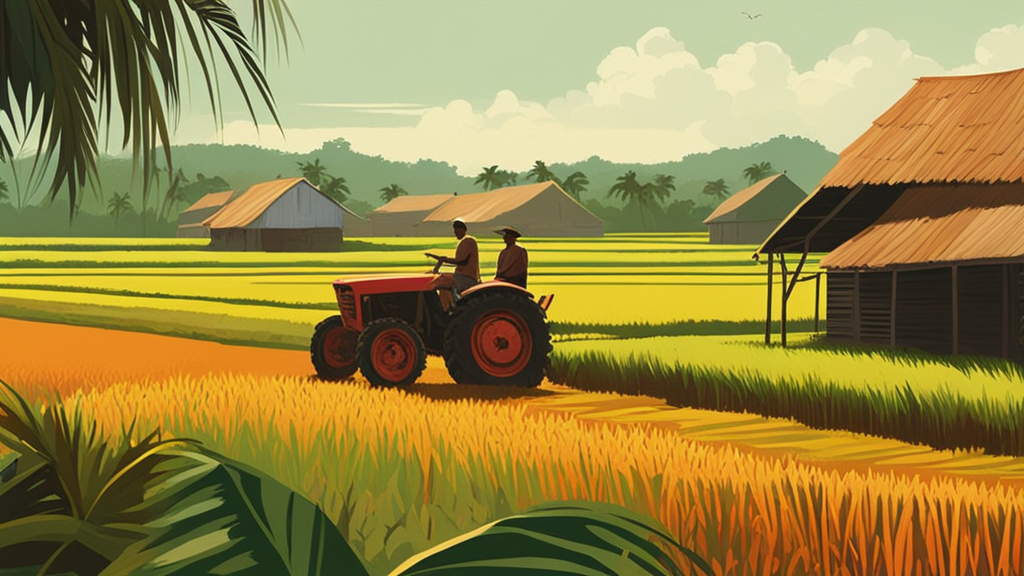
Nickerie is home to numerous rice farms, many of which have been in operation for generations. Farmers typically utilize traditional farming methods, incorporating both modern technology and age-old practices to ensure a bountiful harvest. The region's tropical climate, with average temperatures ranging from 27-32°C (80-90°F), provides the perfect conditions for rice growth, with ample rainfall during the wet season.
During the harvest season, fields are teeming with activity as farmers work to gather the golden grains. The rich, loamy soil of Nickerie contributes to the rice's unique flavor profile, making it a preferred choice for many Surinamese dishes. After harvesting, the rice undergoes drying and milling processes, which are essential for preparing it for market.
The Role of Local Cooperatives
Many rice farmers in Nickerie are part of cooperatives that help streamline the production process. These cooperatives are crucial for providing farmers with access to resources such as quality seeds, fertilizers, and modern machinery. They also assist in the marketing of rice, ensuring that local varieties make their way to both domestic and international markets. The cooperative model not only supports farmers economically but also fosters community ties, as families work together to improve their livelihoods through shared resources.
Processing and Distribution of Nickerie Rice
Milling and Packaging
Once harvested, the rice is taken to local mills for processing. The milling process involves husking the rice grains to remove the outer shell, followed by polishing to achieve the desired level of whiteness. This process is typically completed within a few days of harvesting to maintain the rice's freshness. After milling, the rice is packaged in various quantities, making it accessible to both individual consumers and larger retailers.
Surinamese locals favor buying rice in bulk, with prices varying depending on the brand and quality. This pricing reflects the affordability of locally grown rice compared to imported varieties, making it a staple in many households.
Distribution Channels
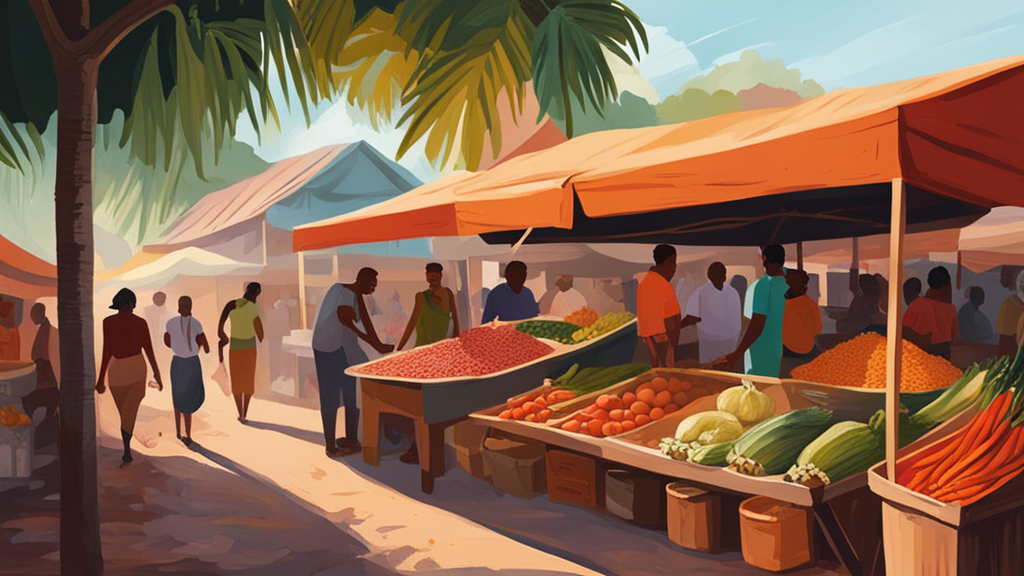
The distribution of Nickerie rice is primarily managed through local markets and grocery stores in major cities like Paramaribo. Many supermarkets stock Nickerie rice alongside other international varieties, allowing expats to compare options. Local open-air markets also offer fresh rice directly from farmers, creating a direct connection between producers and consumers. This not only supports local economies but also guarantees fresher products for buyers.
Culinary Significance of Nickerie Rice
Traditional Dishes Featuring Nickerie Rice
Nickerie rice is a fundamental ingredient in various Surinamese dishes. One of the most popular dishes is Nasi Goreng, a Javanese-inspired fried rice dish that has become a beloved staple in Suriname. This dish typically includes soy sauce, vegetables, and proteins such as chicken or shrimp, showcasing the multicultural influences present in Surinamese cuisine. The quality of Nickerie rice enhances the texture and flavor of Nasi Goreng, making it a favorite among locals and visitors alike.
Another traditional dish is a mixed rice dish often prepared with a medley of meats, vegetables, and spices. This dish is not only a celebration of flavors but also a practical way to use leftover ingredients, making it a common choice for families looking to minimize waste.
Serving Suggestions and Pairings
When preparing dishes with Nickerie rice, consider pairing it with local sauces and condiments. For instance, a side of sambal (a spicy chili paste) can elevate the flavor profile of fried rice dishes. Additionally, a popular chicken soup can be served with a side of rice, creating a hearty meal that reflects the diverse culinary heritage of Suriname.
Practical Tips for Expats
Where to Buy Nickerie Rice
For expats looking to incorporate Nickerie rice into their cooking, several options are available. Local supermarkets in Paramaribo, including larger chains, typically carry Nickerie rice in various forms. Additionally, visiting open-air markets can provide opportunities to buy fresh rice directly from farmers or vendors. This not only supports local agriculture but also allows expats to experience Suriname's vibrant market culture.
Cooking Tips and Techniques
Cooking Nickerie rice is relatively straightforward. A general guideline is to use a rice-to-water ratio of 1:2 for fluffy rice. After rinsing the rice to remove excess starch, combine it with water, and bring it to a boil. Then, reduce the heat and let it simmer for about 18-20 minutes, or until the water is absorbed and the rice is tender. For fried rice dishes, using day-old rice can yield the best texture, as it prevents the dish from becoming mushy.
Conclusion
Nickerie rice plays a vital role in the culinary landscape of Suriname, from its cultivation in the fertile fields of Nickerie to its incorporation in beloved local dishes. Understanding the journey of this staple food not only enhances appreciation for Surinamese cuisine but also provides expats with practical insights into sourcing and preparing it. By embracing Nickerie rice, expatriates can enjoy a deeper connection to the rich cultural heritage that defines Suriname's diverse food scene.
AI-Generated Content: This article was created with AI assistance and may contain inaccuracies. Please verify important information with official sources.
Primary Sources
Last updated: September 2026