This guide was synthesized using the latest legislative data and verified by our editorial board. Laws are subject to change; always consult official sources for final confirmation.
Relocating to Suriname can be an exciting adventure for expat families, but understanding the financial landscape is crucial for a smooth transition. This guide provides a detailed overview of the typical monthly budget for an expat family living in Suriname, including housing, food, utilities, transportation, and other essential expenses. By the end, you'll have a clearer picture of what to expect financially and how to plan your budget effectively.
What can we help you with?
Three short questions. Then we get in touch. No account needed.
Housing Costs
Housing is often the largest expense for expat families in Suriname. The cost of renting a home can vary significantly based on location, size, and amenities. As of June 2026, a typical three-bedroom apartment in a central area of Paramaribo can cost around 1,149 USD (approximately 31,000 SRD), while a more affordable option in the suburbs may be around 506 USD (approximately 13,600 SRD). Families should consider their proximity to schools, workplaces, and essential services when choosing a location.
For those looking to purchase property, the price per square meter in the city center is typically around 468 USD (approximately 12,600 SRD). However, buying a home is a significant investment and may not be feasible for all expats. Renting is generally the more practical option for families settling in Suriname.
Utilities and Internet
Utilities in Suriname, which include electricity, water, and internet, are relatively affordable compared to Western standards. A family of four can expect to pay around 35.5 USD (approximately 950 SRD) for utilities each month. However, it’s important to note that air conditioning is a necessity due to the tropical climate, which can lead to higher electricity bills, especially during the hotter months.
Internet services are available, with a typical plan offering speeds of 50 Mbps costing around 30.3 USD (approximately 800 SRD) per month. While this is a reasonable price, expats should verify the reliability of service providers in their area, as connectivity can vary.
Food and Groceries
Grocery shopping is another significant expense for expat families. The average monthly cost for food can reach approximately 1,199 USD (around 32,000 SRD) for a family of four. Local markets and supermarkets offer a variety of products, but imported goods can be quite expensive due to import duties. For example, a liter of milk typically costs about 1.82 USD (approximately 49 SRD), while a kilogram of chicken breast is around 6.2 USD (approximately 167 SRD).
Families can save money by purchasing local produce and staples, such as rice and vegetables, which are generally more affordable. Eating out occasionally can also be budget-friendly, with a meal for two at a mid-range restaurant costing about 53.2 USD (approximately 1,430 SRD). However, dining out regularly can quickly add up, so it’s wise to balance home-cooked meals with restaurant visits.
Transportation Costs
Transportation is another essential aspect of budgeting for expat families. Public transport is available, with local bus tickets costing around 0.59 USD (approximately 15 SRD) each. For families who prefer more convenience, taxi rides for distances of about 8 kilometers typically cost around 19.5 USD (approximately 520 SRD). Monthly transport passes are also available for approximately 90.7 USD (around 2,400 SRD), which can be a cost-effective option for regular commuters.
For those considering a personal vehicle, keep in mind that fuel prices are approximately 1.16 USD (around 31 SRD) per liter. Additionally, maintenance and insurance costs can add to the overall budget, so families should factor these expenses into their financial planning.
Healthcare and Education
Healthcare is an important consideration for expat families. While private healthcare facilities in Paramaribo offer quality services, they can be costly. A typical doctor's visit may cost around 20.9 USD (approximately 560 SRD). It’s advisable for expats to have health insurance that covers both routine and emergency care, as medical expenses can accumulate quickly.
For families with children, education is another significant expense. International schools in Suriname can charge around 1,767 USD (approximately 47,500 SRD) per year for primary education. This cost can be a considerable part of the monthly budget, so families should explore options and consider the quality of education offered.
Practical Tips for Budgeting
When planning a budget for living in Suriname, consider the following practical tips:
- Track Your Expenses: Keep a detailed record of your monthly expenses to identify areas where you can cut costs. This will help you stay within your budget and avoid unexpected financial strain.
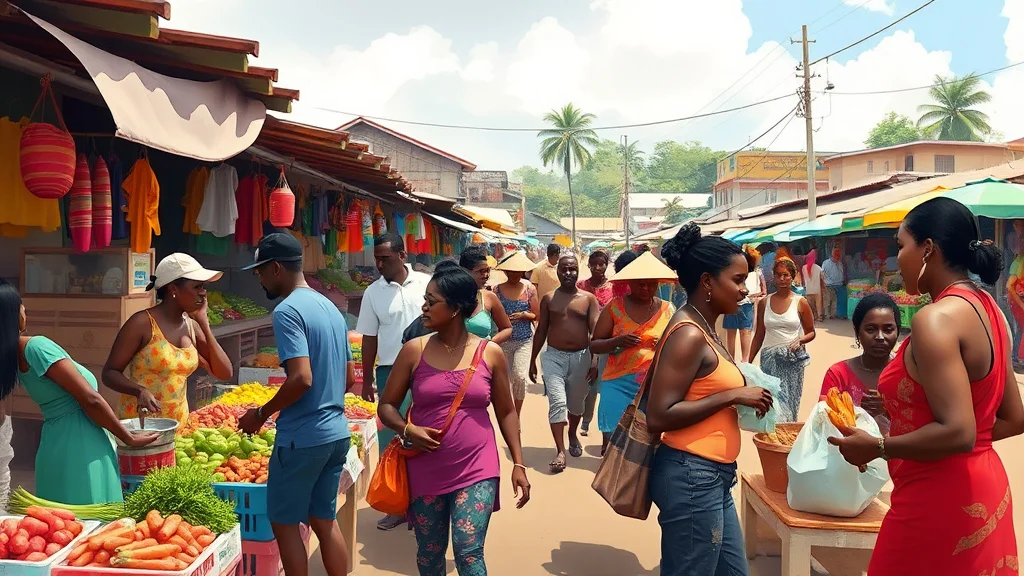
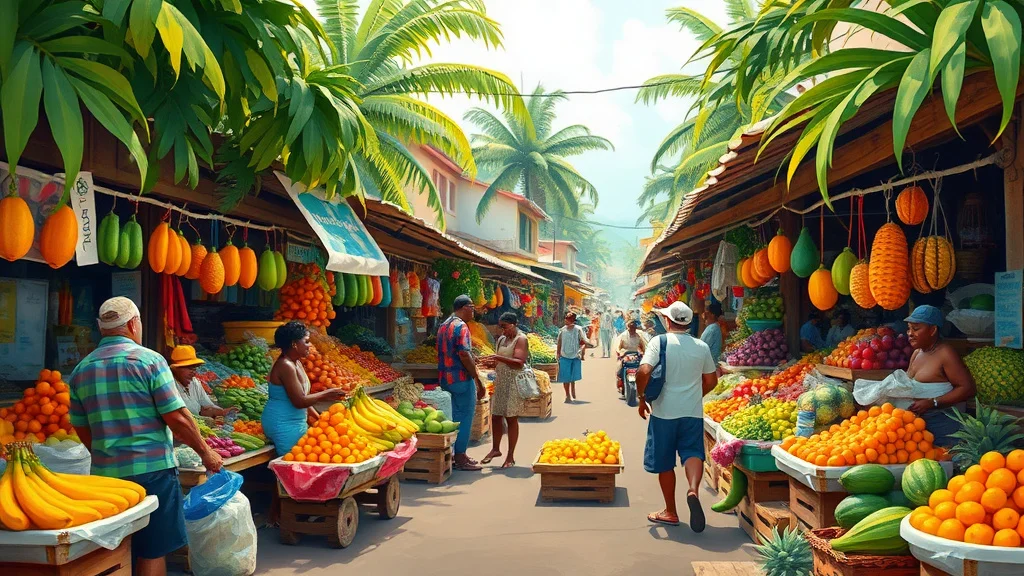
- Explore Local Markets: Shopping at local markets can significantly reduce grocery costs. Fresh produce and local staples are often cheaper than imported goods found in supermarkets.
- Negotiate Rent: When renting a property, don’t hesitate to negotiate the rent. Landlords may be willing to lower the price, especially if you are signing a longer lease.
- Use Public Transport: Utilizing public transportation can save money compared to owning a car. Familiarize yourself with local bus routes and schedules to make commuting easier.
- Plan for Currency Fluctuations: The Surinamese Dollar (SRD) has experienced significant devaluation. As of our last update, families should be aware of currency volatility and plan for potential changes in living costs over time.
Conclusion
In summary, expat families in Suriname can expect to budget approximately 2,193 USD (around 59,000 SRD) monthly, including housing, utilities, food, transportation, healthcare, and education. Understanding these costs and planning accordingly can help families adapt to their new environment smoothly. By tracking expenses, exploring local options, and being mindful of currency fluctuations, expats can enjoy their time in Suriname without financial stress.
AI-Generated Content: This article was created with AI assistance and may contain inaccuracies. Please verify important information with official sources.
Last updated: June 2026