This guide was synthesized using the latest legislative data and verified by our editorial board. Laws are subject to change; always consult official sources for final confirmation.
Suriname is a tapestry of cultures woven together by its diverse ethnic groups, among which the Maroons hold a significant and colorful place. Descendants of enslaved Africans who escaped plantations in the 17th and 18th centuries, the Maroons have preserved their cultural heritage in the interior regions of Suriname. This article will delve into the historical context, cultural practices, and the vibrant festivals that define Maroon communities, offering expatriates valuable insights into engaging with this fascinating culture.
Historical Context of the Maroons
The Maroons of Suriname, known as the Bushinengue, are primarily descendants of enslaved Africans who escaped from coastal plantations during the colonial era. Over time, these groups established autonomous communities deep within Suriname's rainforests, where they could maintain their African traditions and ways of life. The six main Maroon groups include the Aluku, Kwinti, Matawai, Ndyuka, Paamaka, and Saamaka, each with distinct languages, customs, and social structures.
After a lengthy period of guerrilla warfare against colonial forces, the Maroons secured a peace treaty with the Dutch in the 1760s, granting them territorial rights to extensive forested areas. This autonomy allowed the Maroon culture to thrive, characterized by a blend of African spiritual practices, music, and community-oriented living. Living in relative isolation from the coastal urban centers, Maroon communities developed a rich oral tradition and cultural practices that remain vibrant today.
Language and Communication
The Maroons speak various Creole languages, such as Saramaccan, Aukan, and Kwinti, alongside Dutch and Sranan Tongo, which serves as the lingua franca in Suriname. Each dialect reflects the unique history and influences of its group, incorporating elements from African languages, Portuguese, and English. For expatriates, learning basic phrases in Sranan Tongo or the specific Maroon languages can greatly enhance communication and foster deeper connections with local communities.
Maroon languages are rich in proverbs and storytelling, which play a crucial role in preserving history and cultural values. Engaging with Maroon storytelling traditions can offer expatriates insights into their worldview and social norms, allowing for a more meaningful interaction with local people. Consider attending community gatherings or cultural events where oral traditions are shared, as these experiences provide a unique opportunity to witness the vibrancy of Maroon culture.
Spiritual Beliefs and Practices
Winti is the traditional religion practiced by many Maroons, characterized by a pantheon of spirits and ancestral veneration. This syncretic belief system incorporates elements from various African religious traditions and is integral to Maroon identity. Winti ceremonies often involve music, dance, and rituals that honor the spirits and ancestors, reflecting the community's deep connection to their heritage.
In addition to Winti, many Maroons have adopted Christianity, particularly evangelical faiths, which coexist alongside traditional practices. As of our last update, approximately 63% of Maroons identify as Christians, with a significant number also practicing Winti. For expatriates, respecting these beliefs is vital; participating in community events with an open mind can lead to enriching experiences and relationships.
Cultural Festivals and Celebrations
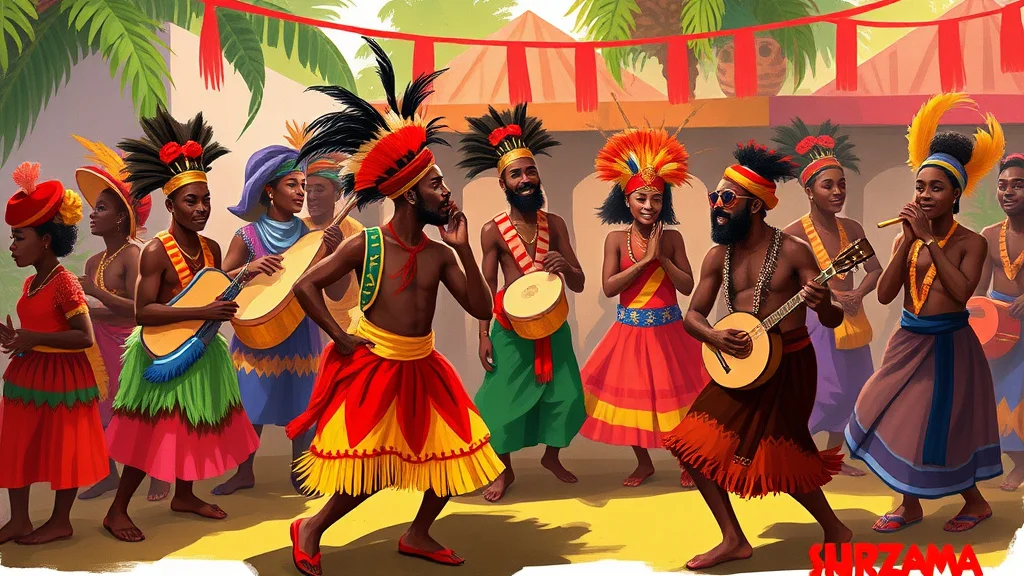
Maroon culture is celebrated through various festivals that reflect their rich heritage. One of the most significant events is the Keti Koti festival, celebrated on July 1st, which commemorates the abolition of slavery in Suriname. This national holiday is marked by parades, music, dance, and communal feasting across the country, including Maroon communities. Participating in Keti Koti provides expatriates with an opportunity to understand the historical struggles and triumphs of the Maroon people.
Other local celebrations may include traditional harvest festivals and gatherings that honor ancestors and spirits. These events often feature traditional foods, vibrant clothing, and music that can be deeply moving for attendees. For expatriates wishing to engage with Maroon culture, attending such festivals and participating in the festivities can foster goodwill and a deeper understanding of the community's heritage.
Daily Life and Social Structure
Maroon communities typically have a strong sense of kinship, and social structures are often organized around family units and clans. Daily life revolves around agriculture, fishing, and gathering, with many families growing crops such as cassava, plantains, and bananas. These activities not only sustain the community but also reinforce social bonds and cultural practices.
For expatriates living in or visiting Maroon areas, engaging with local farming practices can provide valuable insights into their lifestyle. Some communities may welcome visitors to learn about sustainable farming methods or participate in communal workdays. This hands-on experience can enhance understanding and appreciation of Maroon culture while building connections with local residents.
Practical Tips for Expatriates
Engaging with Maroon culture requires sensitivity and respect. Here are some practical tips for expatriates:
- Learn Basic Phrases: Familiarize yourself with common phrases in Sranan Tongo or the local Maroon dialects. This effort will be appreciated and can help break down language barriers.
- Participate in Cultural Events: Attend local festivals and community gatherings to immerse yourself in Maroon traditions. Be open to learning and experiencing new customs.
- Respect Traditions: Understand the significance of Winti and other spiritual practices. Avoid making assumptions about beliefs and ask respectful questions if you are curious.
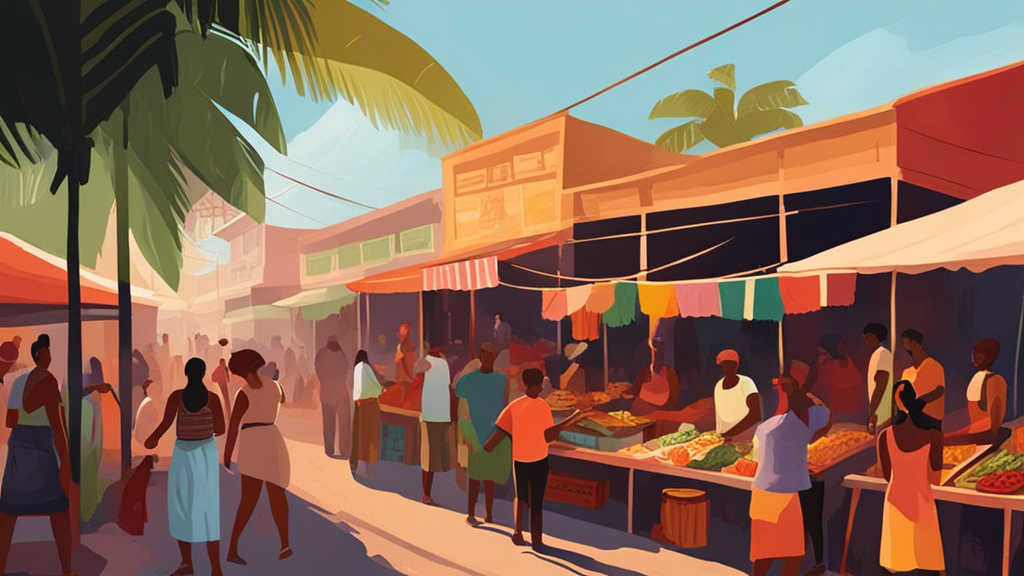
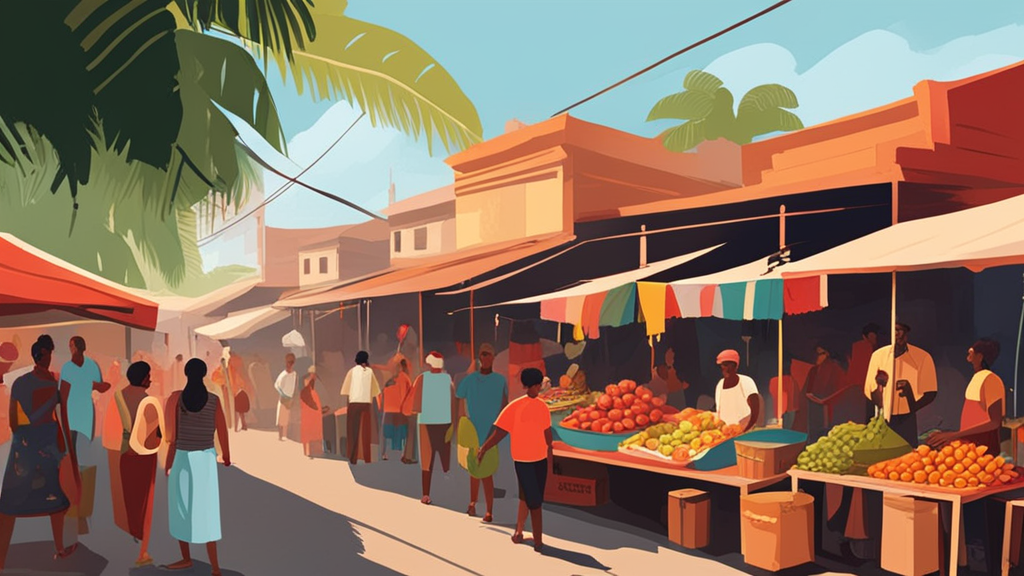
- Support Local Economy: Purchase handmade crafts, foods, and other goods from Maroon artisans and farmers to support the community and learn about their crafts.
- Build Relationships: Take the time to form genuine connections with community members. Listening and engaging in conversations can lead to meaningful friendships and cultural exchanges.
Conclusion
The Maroon culture in Suriname's interior communities is a living testament to resilience, creativity, and deep-rooted traditions. By understanding their historical context, engaging with their language and spiritual practices, and participating in community events, expatriates can foster meaningful relationships and gain a richer perspective on Surinamese culture. The Maroons' vibrant festivals and daily life are not just cultural expressions; they are gateways to appreciating a unique heritage that continues to thrive in the heart of the rainforest.
AI-Generated Content: This article was created with AI assistance and may contain inaccuracies. Please verify important information with official sources.
Last updated: July 2026