
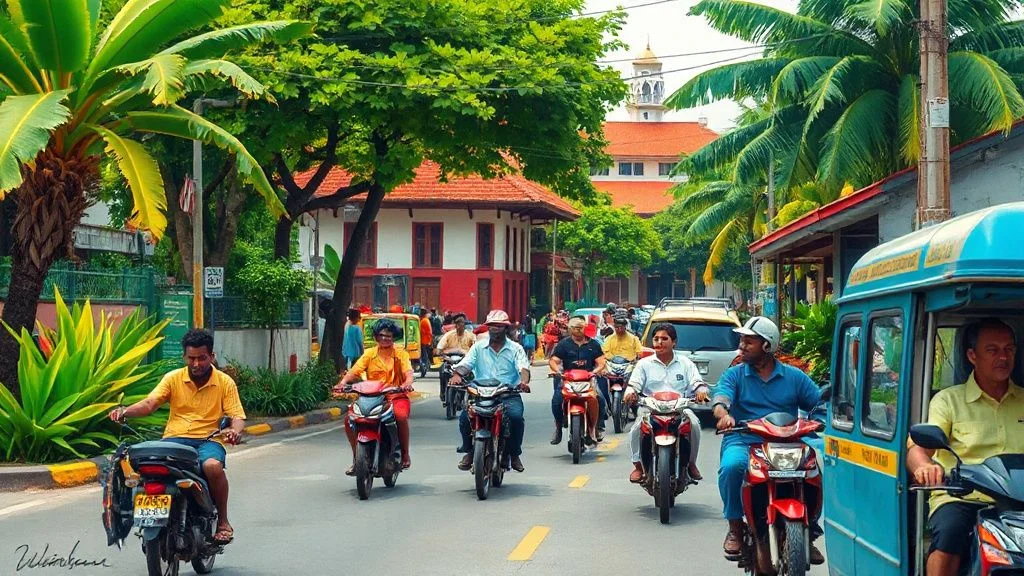
For expatriates considering a move to Wanica, the question of commuting into Paramaribo—Suriname's bustling capital—is a key concern. This article explores the realities of daily commutes, offering insights based on real-life experiences from those who live and work in the area.
Understanding Wanica and Its Proximity to Paramaribo
Wanica is a district that offers a suburban feel, making it an attractive residential area for many expatriates. Its blend of tranquility and accessibility to the city's amenities contributes to its appeal, particularly for families and professionals who prefer a quieter living environment away from the city's hustle and bustle.
While specific neighborhoods in Wanica may vary, the district is known for a range of housing options, from modern apartments to traditional homes. This family-friendly atmosphere is complemented by nearby schools, parks, and local markets, making it a popular choice for expatriate families.
Transportation Options for Commuting
Commuting from Wanica to Paramaribo can be accomplished through several transportation options, each with its own advantages and drawbacks. The most common methods include private vehicles, shared taxis, and public buses.
Private Vehicles
Many expatriates opt for personal vehicles due to the convenience and comfort they offer. Driving in Suriname is generally straightforward, although traffic congestion can occur during peak hours, especially in the mornings and late afternoons. The duration of the commute can vary based on the specific route and time of day.
Shared Taxis
Shared taxis are a popular and cost-effective alternative. These vehicles operate on set routes and can accommodate several passengers heading in the same direction. The fare is generally affordable, making it an economical option for many. However, it's important to note that shared taxis can become crowded, particularly during rush hours, and may take longer than expected if there are multiple stops along the way.
Public Buses
Public buses are another option for commuting, but they are less commonly used by expatriates. Although they are generally inexpensive, the schedules can be irregular, and the buses can be quite crowded. For those who are new to the area, navigating the bus routes may also pose a challenge. However, seasoned expats often find that using buses can be an adventure in itself, offering a glimpse into local life.
Real-Life Commuting Experiences
Many expatriates in Wanica share their commuting experiences, which can vary widely based on personal circumstances. For instance, a working mother may find that using a private vehicle allows her to drop her children off at school before heading to the office, saving both time and stress. In contrast, a digital nomad may prefer the flexibility of shared taxis or buses, allowing for social interactions and networking opportunities during the commute.
It's not uncommon for expats to develop meaningful relationships with their fellow commuters. Sharing rides in a taxi or bus can lead to conversations that foster connections, providing a sense of community among those who navigate the same routes daily. Many expats also enjoy the chance to practice their language skills, as local commuters often appreciate the effort to communicate in Dutch or Sranan Tongo.
Cultural Nuances and Adaptation
Commuting in Suriname comes with its own set of cultural nuances. For instance, patience is often key, as traffic delays and unexpected stops are commonplace. It's advisable to leave home a bit earlier than necessary to accommodate any unforeseen circumstances. Additionally, being friendly and open to conversations with locals can enrich the commuting experience. Many Surinamese people are warm and welcoming, eager to share stories or tips about navigating life in the country.
Another cultural aspect to consider is the rhythm of life in Suriname. The pace is generally more relaxed compared to Western cities, which may require some adjustment for expatriates accustomed to a fast-paced lifestyle. Embracing this slower pace can be beneficial, promoting a more enjoyable and less stressful commuting experience.
Practical Tips for Commuters from Wanica
- Plan Your Route: Familiarize yourself with the best routes to Paramaribo and consider alternate paths to avoid traffic jams.
- Embrace Public Transport: If you're feeling adventurous, try using public buses occasionally. They provide a unique perspective on local culture.
- Join Expat Groups: Connecting with fellow expatriates can offer insights into the best commuting practices and tips for navigating local transport.
- Stay Informed: Traffic conditions can change, so using local apps or social media groups to stay updated can be helpful.
Conclusion
Living in Wanica provides a unique blend of suburban tranquility and accessibility to Paramaribo, making it an ideal choice for many expatriates. While commuting can vary in experience—from the convenience of a personal vehicle to the camaraderie of shared taxis—each option offers its own advantages. Understanding local nuances and embracing the cultural rhythm can enhance your daily commute, turning it into a valuable part of your Surinamese adventure.
Primary Sources
Last updated: October 2026