This guide was synthesized using the latest legislative data and verified by our editorial board. Laws are subject to change; always consult official sources for final confirmation.
Choosing between Suriname and Guyana as an expat can be a challenging decision, as both countries offer unique experiences and lifestyles. This article explores the key differences between living in these two South American nations, providing practical insights for international professionals, digital nomads, and families considering relocation.
Geographical and Cultural Context
Suriname, located on the northeastern coast of South America, is bordered by the Atlantic Ocean to the north, French Guiana to the east, and Brazil to the south. Guyana, to the west of Suriname, shares a similar tropical climate but has its own distinct cultural influences. Suriname is known for its rich cultural diversity, with indigenous peoples, Creole, Javanese, Hindustani, and Chinese communities coexisting harmoniously. This multicultural environment is reflected in its food, festivals, and daily life.
In contrast, Guyana, formerly a British colony, has a more pronounced British influence, particularly in its legal and educational systems. The population is diverse, with various ethnic communities contributing to the cultural landscape. This difference in colonial history has shaped the cultural norms and practices of both countries, making it essential for expats to understand these nuances when relocating.
Cost of Living
The cost of living is a crucial factor for expats. In Suriname, the average monthly expenses for a single person can vary significantly depending on lifestyle choices. Housing, food, and transportation are the most significant expenses. For example, rent for a one-bedroom apartment in Paramaribo can vary based on location and amenities.
In Guyana, the cost of living can be higher, with monthly expenses for a single person potentially being more than in Suriname. Housing prices in the capital city can also be significant, making living in Suriname slightly more economical for expats, particularly those looking for affordable housing options.
Work Opportunities and Economic Environment
Suriname's economy relies heavily on various sectors, including mining and agriculture. The job market for expats can be limited, primarily focusing on skilled positions. Expats may find opportunities in NGOs and international organizations, especially those working on developmental projects. Understanding the local labor market can be challenging, as many companies prefer local candidates.
Guyana, on the other hand, is experiencing economic growth, particularly in various sectors. The discovery of natural resources has attracted numerous international companies, creating job opportunities for expats, especially in skilled labor and project management. This economic growth has made Guyana an appealing destination for professionals seeking career advancement and higher salaries.
Daily Life and Amenities
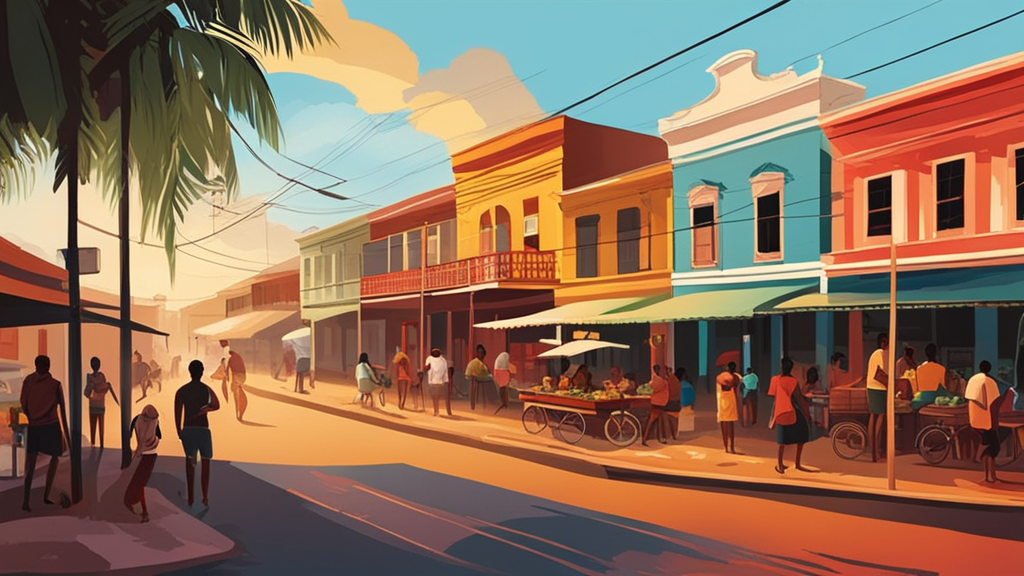
Daily life in Suriname offers a blend of urban and natural experiences. Paramaribo, the capital city, has a vibrant atmosphere with a UNESCO World Heritage-listed inner city, showcasing colonial architecture and diverse culinary options. Expats can enjoy a variety of local restaurants, markets, and parks. The pace of life is generally relaxed, and residents often embrace a laid-back lifestyle. However, the infrastructure can be lacking, with public transportation being limited, making owning a vehicle a common necessity.
In Guyana, daily life revolves around the capital, which features a mix of colonial buildings and modern establishments, with a lively market culture. Expats may find various amenities, including shopping options and entertainment venues. Nevertheless, the city struggles with traffic congestion, and public transportation is often unreliable. Expats in both countries should be prepared for a slower pace of service and a different approach to time management.
Healthcare and Education
Healthcare facilities in Suriname are developing but can be limited, especially in rural areas. Many expats choose to access private healthcare providers. It’s advisable for expats to secure comprehensive health insurance that covers medical evacuation if necessary. Schools in Suriname offer various educational options, including international schools that cater to expatriate families, but these can be expensive and may have limited availability.
Guyana's healthcare system faces challenges, with public hospitals often under-resourced. As a result, many expats opt for private clinics, which provide better services. The education system is varied, with options available for expatriate families. However, the quality of education can vary significantly, so visiting schools and meeting with administration is essential for families moving to Guyana.
Practical Tips for Expats
When considering relocation to either Suriname or Guyana, expats should keep several practical tips in mind:
- Language: Dutch is the official language of Suriname, while English is the primary language in Guyana. While many locals in Suriname speak English, knowing some basic Dutch phrases can enhance communication and integration.
- Cultural Integration: Engage with local communities and participate in cultural events. This not only helps in building a social network but also enriches your understanding of local customs and practices.
- Safety: Both countries have their safety concerns, particularly in urban areas. Stay informed about your surroundings, avoid displaying valuables, and consider joining expat groups for safety tips and local insights.
- Networking: Join expat forums and social media groups to connect with other expatriates. These platforms can provide valuable resources and support during your transition.
- Transportation: Invest in a reliable vehicle, as public transport can be unreliable. Familiarize yourself with local driving rules and road conditions.
Conclusion
While both Suriname and Guyana offer unique experiences for expats, understanding the key differences can help in making a more informed decision. Suriname tends to provide a more affordable lifestyle with a rich cultural tapestry, while Guyana presents robust economic opportunities. By considering personal priorities such as career opportunities, lifestyle preferences, and cultural integration, expats can choose the destination that best aligns with their goals.
AI-Generated Content: This article was created with AI assistance and may contain inaccuracies. Please verify important information with official sources.
Primary Sources
Last updated: September 2026