
This guide was synthesized using the latest legislative data and verified by our editorial board. Laws are subject to change; always consult official sources for final confirmation.
The relationship between Suriname and the Netherlands is deeply rooted in history, shaped by over three centuries of colonial rule and cultural exchange. This article delves into the complexities of their ties, highlighting historical context, cultural connections, and practical insights for expatriates navigating life in Suriname.
Historical Context of Suriname and the Netherlands
Colonial Era
Suriname was colonized by the Dutch in the 17th century and became an important plantation economy, largely dependent on slave labor. The Dutch established sugar, coffee, and cacao plantations, which attracted a diverse population, including enslaved Africans, Indigenous peoples, and later, East Indian and Javanese laborers. This colonial history has significantly influenced Suriname's demographics and culture, making it one of the most ethnically diverse countries in South America.
As a former colony, Suriname was part of the Dutch Empire until its independence in 1975. The colonial era left a lasting legacy, with Dutch as the official language and many cultural practices stemming from this shared history. Today, the impact of colonialism is a crucial aspect of discussions around identity, heritage, and reconciliation in Suriname.
Independence and Post-Colonial Relations
Suriname gained independence on November 25, 1975, but the relationship with the Netherlands did not end there. The Netherlands remains a vital partner for Suriname, particularly in terms of development aid, cultural exchange, and diplomatic ties. The Surinamese diaspora in the Netherlands is substantial, with many Surinamese citizens residing in Dutch cities, enriching the cultural fabric of both nations.
Post-independence, Suriname has sought to redefine its identity while still recognizing the deep-rooted connections to its colonial past. The Netherlands has also acknowledged its role in Suriname's history, engaging in discussions about reparative justice and the return of cultural artifacts taken during the colonial period.
Cultural Connections and Shared Heritage
Language and Communication
The official language of Suriname is Dutch, which facilitates communication between the two nations. This shared language is a significant advantage for expatriates from the Netherlands moving to Suriname, as they can easily integrate into the local community and workplace. Additionally, Sranan Tongo, an English-based creole language, serves as the lingua franca among the diverse ethnic groups in Suriname. Expats should consider learning some basic phrases in Sranan Tongo to enhance their interactions with local residents.
Cultural Festivals and Traditions
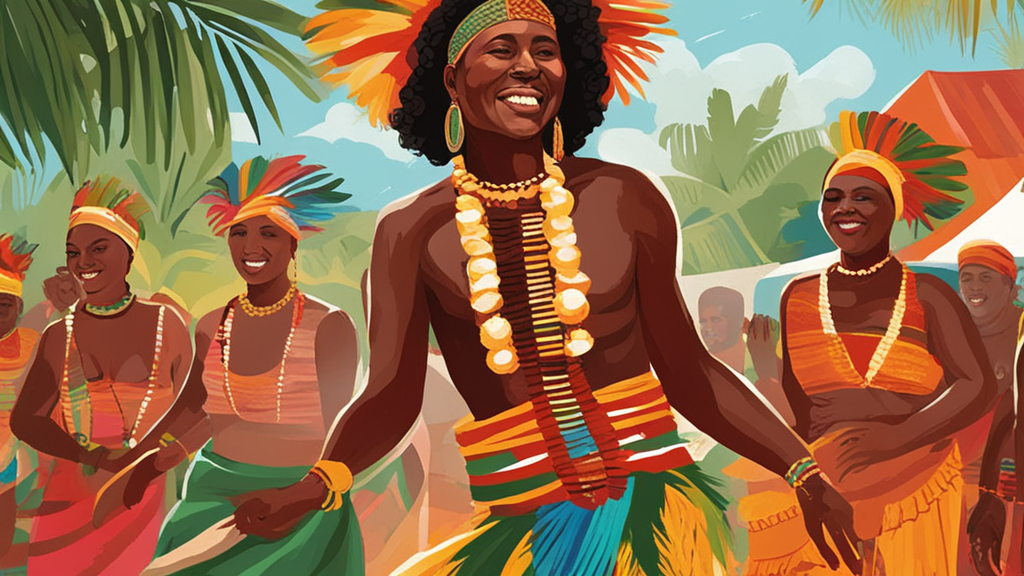
Suriname's rich cultural tapestry is reflected in its festivals, many of which have roots in its colonial past. Keti Koti, celebrated on July 1, marks the abolition of slavery in Suriname and is the most significant national holiday. This day is a time for reflection, remembrance, and celebration, with various events and activities organized across the country.
Other notable festivals include Phagwa, celebrated by the Hindustani community, which typically falls in March and involves a vibrant display of colors and cultural performances. Similarly, Diwali, observed in October or November, showcases the Hindu community's traditions with lights, prayers, and festive foods. Expats can participate in these celebrations to gain a deeper understanding of Surinamese culture while fostering connections with local communities.
Economic Ties and Development Cooperation
Trade Relations
The economic ties between Suriname and the Netherlands remain strong, with the latter being one of Suriname's main trading partners. Exports from Suriname to the Netherlands include agricultural products, minerals, and seafood, while imports mainly consist of machinery, vehicles, and pharmaceuticals. Understanding these trade dynamics can benefit expatriates involved in business or trade sectors.
Furthermore, the Netherlands provides development aid to Suriname, focusing on areas such as education, infrastructure, and environmental sustainability. This financial support is critical for Suriname's growth and development, making the Netherlands a key player in the nation’s economic landscape.
Opportunities for Collaboration
With a shared commitment to sustainability and cultural preservation, both countries are exploring opportunities for collaboration in various sectors. The Netherlands' expertise in sustainable practices, particularly in water management and agriculture, can significantly benefit Suriname, which faces challenges related to climate change and resource management.
Expatriates seeking to engage in sustainable initiatives can find numerous opportunities to collaborate with both local and Dutch organizations working towards ecological and social improvements in Suriname. This collaboration fosters not only economic growth but also cultural exchange, further strengthening the ties between the two nations.
Practical Tips for Expatriates in Suriname
Integrating into the Local Culture
For expatriates moving to Suriname, embracing the local culture is essential for a smooth transition. Establish connections with local communities by participating in cultural events, visiting markets, and exploring the diverse neighborhoods in Paramaribo. Many expats find that engaging with the local population enriches their experience and helps them feel at home.
Networking is vital, and expats should consider joining community groups or organizations that connect them with fellow expatriates and locals. This can lead to lasting friendships, professional opportunities, and a deeper understanding of Surinamese customs and traditions.
Understanding Local Etiquette
Suriname is known for its hospitality and friendliness, but understanding local etiquette can help avoid misunderstandings. Greetings are typically warm, and a handshake is common. When visiting someone's home, it is customary to bring a small gift, such as a dessert or a beverage, as a token of appreciation.
Furthermore, respect for cultural diversity is essential. Suriname's population is a melting pot of different ethnicities, each with its own customs and traditions. Being open-minded and respectful of these differences will help expatriates build positive relationships with their neighbors and colleagues.
Conclusion
The ties between Suriname and the Netherlands are complex, shaped by a shared history and cultural heritage. Understanding this relationship is crucial for expatriates looking to settle in Suriname, as it provides valuable context for navigating daily life and integrating into the local community. By embracing the rich cultural traditions, participating in festivals, and engaging with local populations, expats can foster meaningful connections and contribute to the ongoing dialogue between these two nations.
AI-Generated Content: This article was created with AI assistance and may contain inaccuracies. Please verify important information with official sources.