This guide was synthesized using the latest legislative data and verified by our editorial board. Laws are subject to change; always consult official sources for final confirmation.
Islam plays a vital role in Suriname, constituting approximately 13.9% of the country's population, making it one of the most significant religions in the nation. The Surinamese Muslim community is diverse, heavily influenced by Javanese and Indo-Surinamese cultures, resulting in a distinct practice of Islam. This article delves into the mosques, community dynamics, cultural traditions, and the overall socio-religious landscape of Islam in Suriname.
Historical Context of Islam in Suriname
The origins of Islam in Suriname can be traced back to the arrival of indentured laborers from the British Raj and Dutch East Indies during the late 19th and early 20th centuries. The majority of the Surinamese Muslim population descends from these laborers, particularly from South Asia (India, Pakistan) and Indonesia (Java). The first substantial Muslim presence in Suriname is believed to have emerged in the 19th century with the arrival of Javanese Muslims.
Initially, Javanese Muslims constructed their mosques facing west, adhering to the traditions of their homeland. It wasn't until the 1930s that they learned that Mecca is located to the east, resulting in a division between those who prayed towards the west and those who prayed towards the east. The latter group generally adhered to a more orthodox interpretation of Islam, while the former maintained stronger ties to traditional Javanese culture.
Demographics and Distribution of Muslims in Suriname
As of the 2012 census, there were approximately 75,053 Muslims in Suriname, an increase from previous years. A significant proportion of Muslims in Suriname are of Javanese descent, with about 67% identifying as Muslim. The Indo-Surinamese community also has a notable Muslim presence, accounting for approximately 12.6%. The geographic distribution of Muslims reveals that the Commewijne District has the highest concentration of Muslims, followed by Nickerie and Wanica districts. While Paramaribo, the capital, is home to a diverse population, it reflects a lower overall percentage of Muslims.
This demographic diversity is a point of pride for Surinamese Muslims, who embrace their multicultural identity. The coexistence of various ethnic groups—including Hindustani, Javanese, Creole, and Maroon—enriches the fabric of Surinamese society.
Mosques in Suriname: Centers of Worship and Community
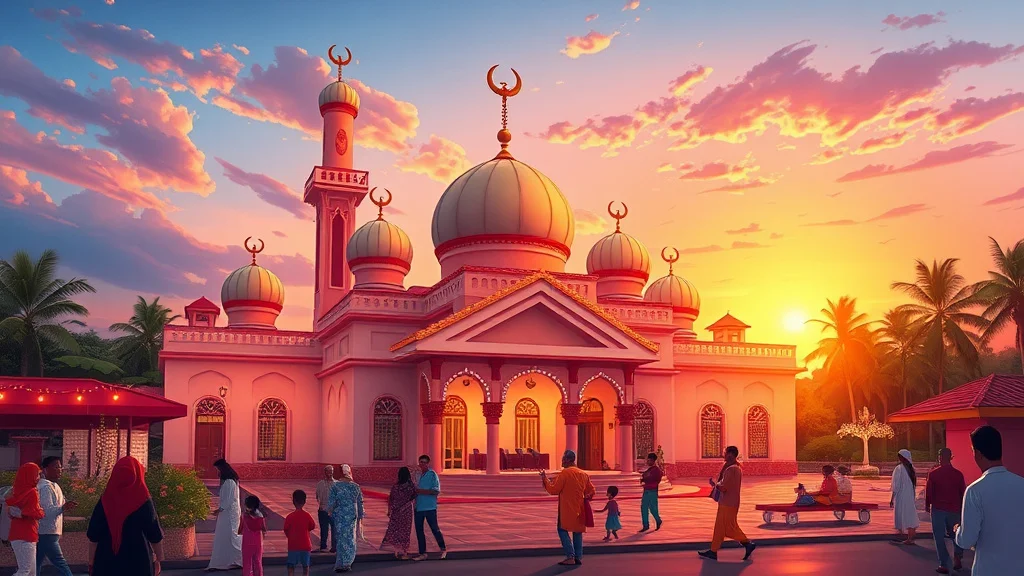
Suriname boasts several mosques that serve as spiritual and communal hubs for Muslims. One of the most notable is the Mosque Keizerstraat in Paramaribo, which is among the oldest mosques in the country. It provides not only a place for prayer but also serves as a community center where various activities, including educational programs and social gatherings, take place.
Other mosques are scattered throughout the country, especially in districts with higher Muslim populations, such as Nickerie and Commewijne. These mosques often host events during significant religious occasions like Eid al-Fitr and Eid al-Adha, celebrated with communal prayers, festive meals, and social gatherings. The communal aspect of these celebrations is essential, as it strengthens bonds within the Muslim community and encourages inclusivity among different ethnic groups.
Cultural Practices and Festivals in the Muslim Community
Islamic festivals play a vital role in fostering community spirit among Surinamese Muslims. Eid al-Fitr, which marks the end of Ramadan, is celebrated with communal prayers, festive meals, and acts of charity. Families prepare special dishes and sweets that showcase the culinary diversity of Surinamese culture. During this festive time, it is common for families to invite friends and neighbors to share in the celebrations, promoting a sense of unity and togetherness.
Eid al-Adha, commemorating the willingness of Ibrahim to sacrifice his son, is another significant event where the community unites. This festival features the ritual sacrifice of animals, with the meat distributed among family, friends, and those in need. This act of sharing reinforces the values of generosity and compassion within the community.
In addition to Islamic festivals, the multicultural nature of Surinamese society allows for shared celebrations with other communities. For example, the Keti Koti festival on July 1, which commemorates the abolition of slavery, is observed by many Surinamese, including Muslims. This highlights the interconnectedness of various cultural practices and the respect for each community’s heritage.
Practical Tips for Expatriates: Navigating the Islamic Community
For expatriates relocating to Suriname or those living within the Muslim community, understanding cultural nuances and practices can significantly enhance your experience. Here are some helpful tips:
- Respect Prayer Times: Be mindful of the five daily prayers, especially when scheduling meetings or social events. Mosques typically display prayer times, and accommodating them for Muslim colleagues or friends is respectful.
- Participate in Community Events: Engaging in community celebrations, particularly during Eid, can foster goodwill and friendship. It’s common for families to invite others to their homes, so accepting such invitations can strengthen social bonds.
- Dress Modestly: Although Suriname is generally open and accepting, dressing modestly is appreciated when visiting mosques or attending religious events. Women may wish to wear long skirts or dresses, while men should opt for long pants and shirts.
- Learn Basic Greetings: Familiarizing yourself with basic Islamic greetings, such as "As-Salaamu Alaikum" (Peace be upon you), can greatly improve rapport with Muslim colleagues and neighbors.
Conclusion
Islam in Suriname reflects a fascinating aspect of the rich tapestry that constitutes its multicultural society. The historical roots, demographic diversity, and vibrant community life highlight the unique blend of cultures that define Surinamese identity. Understanding the significance of mosques, cultural practices, and festivals can enrich the experience of expatriates and foster deeper connections within the community. Embracing values of respect, inclusion, and shared celebration is key to navigating the Islamic landscape in this tropical nation.
AI-Generated Content: This article was created with AI assistance and may contain inaccuracies. Please verify important information with official sources.