
This guide was synthesized using the latest legislative data and verified by our editorial board. Laws are subject to change; always consult official sources for final confirmation.
Suriname's grocery landscape is shaped significantly by its reliance on imports. For expatriates relocating to or living in this vibrant South American country, understanding what imported groceries are available is crucial for settling in comfortably. This article explores the types of imported groceries you can find in Suriname, where to buy them, and what to expect in terms of pricing and availability.
Understanding Suriname's Import Economy
Suriname is classified as an import economy, meaning that a substantial portion of its food products is imported rather than locally produced. As of our last update, many basic foods, including grains, canned goods, and dairy products, are sourced from abroad. This reliance on imports presents both challenges and opportunities for expats seeking familiar foods.
The primary reason for this import dependence is that local agricultural production has declined over the years. While Suriname has the potential to grow many crops, such as rice and cassava, external factors—such as climate and market dynamics—have hindered local farming. As a result, most supermarkets and grocery stores in Paramaribo stock imported products to meet the demands of the population.
Types of Imported Groceries Available
Essential Staples
In Suriname, you can find a variety of essential imported staples, including rice, pasta, and canned goods. Brands of canned vegetables, fruits, and proteins like tuna and sardines are widely available. Rice is a common staple in many households, appreciated for its versatility.
Additionally, dairy products such as cheese, butter, and milk powder are often imported, with brands from Europe and the Americas frequently found in stores. Expats will appreciate the availability of familiar items, making it easier to prepare favorite recipes from home.
Condiments and Sauces
Imported condiments are a staple in many households. You can find a range of sauces that are essential for adding flavor to local dishes and are commonly stocked in supermarkets. Additionally, specialty items like hot sauces and marinades are often available, catering to diverse culinary preferences.
For those interested in baking, various baking supplies are also accessible. These items are crucial for expats who enjoy baking familiar pastries or bread, further enhancing their culinary experience in Suriname.
Where to Find Imported Groceries
Supermarkets in Paramaribo
Paramaribo, the capital city, is home to several supermarkets that cater to the needs of expatriates. These stores typically have dedicated sections for imported goods, making it easy to find familiar products. Expats can expect to find a mix of local and international brands, ensuring a wide variety of choices.
Some supermarkets offer convenient grocery ordering options, which can be particularly helpful for busy professionals and families who may not have the time to shop in person. Check for local services that can bring groceries directly to your door.
Local Markets
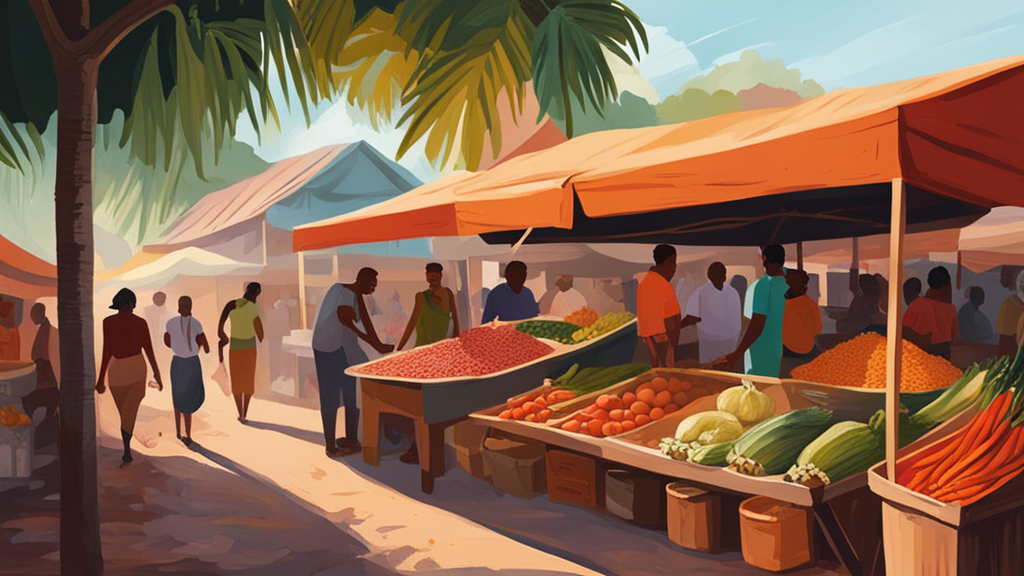
In addition to supermarkets, local markets are a treasure trove for fresh produce and specialty items. While the main focus is on local products, many vendors also sell imported items, especially exotic fruits and vegetables. These markets provide an opportunity to explore and experience the local culture while sourcing some imported groceries.
When visiting local markets, be prepared to haggle and interact with vendors. This can be a fun experience, as you may discover new ingredients and flavors that are not typically found in supermarkets.
Practical Tips for Expats
Budgeting for Imported Groceries
Prices for imported groceries can vary significantly compared to what you might be used to in Western Europe or North America. It's advisable to budget accordingly, as imported items are often more expensive. For example, a basic imported item might be priced higher than what you would expect in your home country.
Make sure to keep an eye on weekly promotions and discounts offered by supermarkets. Many stores have sales on imported goods, which can help you save money.
Understanding Availability
Not all imported items are consistently available, so it's wise to keep a flexible mindset. Stock levels can fluctuate based on shipping schedules and demand. If you find a product you love, consider buying it in bulk when you see it to avoid disappointment later.
Join local expat groups or forums to share tips and discover where others are sourcing their groceries. These communities can provide valuable insights into where to find specific items and any new shops that have opened.
Conclusion
For expatriates in Suriname, navigating the world of imported groceries can initially seem challenging, but it offers an opportunity to blend familiar tastes with local cuisine. By understanding the types of groceries available, where to find them, and budgeting for costs, you can make your transition smoother. Embrace the diversity of Surinamese food while enjoying the comforts of home through imported products.
AI-Generated Content: This article was created with AI assistance and may contain inaccuracies. Please verify important information with official sources.
Primary Sources
Last updated: September 2026