
This guide was synthesized using the latest legislative data and verified by our editorial board. Laws are subject to change; always consult official sources for final confirmation.
Moving to Suriname can be an exhilarating experience filled with unique opportunities and challenges. This article delves into the daily life of expats in this vibrant South American country, offering practical advice, cultural insights, and cost comparisons to help you navigate your new environment.
Understanding Daily Life in Suriname
Adapting to the Climate
Suriname's tropical climate is characterized by warm temperatures year-round, typically ranging from 27 to 32 degrees Celsius (80 to 90 degrees Fahrenheit). Expect high humidity and frequent rainfall, especially during the wet seasons from December to January and April to July. As an expat, you’ll need to adjust to this climate by investing in suitable clothing—lightweight, breathable fabrics are ideal. Air conditioning is a common necessity rather than a luxury, particularly in homes and offices, so factor this into your budget when renting or purchasing property.
During the drier months, particularly from August to November, you might enjoy more outdoor activities and local festivals. Understanding the seasonal variations will help you plan your social calendar effectively. For instance, local music and dance festivals provide a vibrant cultural experience.
Housing and Neighborhoods
Finding suitable housing is crucial for a smooth transition. In Paramaribo, popular neighborhoods among expats include the historic city center, which is recognized as a UNESCO World Heritage Site. Here, you can enjoy charming Dutch colonial architecture and easy access to amenities. The rental prices here can vary significantly; a modest apartment may cost around SRD 2,500 (approximately $66) to SRD 5,000 ($132) per month, though prices can be higher in more upscale areas. Always verify current rental rates as they fluctuate.
Other neighborhoods to consider are known for their family-friendly environments and proximity to schools and parks. If you're looking for a more suburban feel, some areas offer larger homes and quieter surroundings, which might suit families and those seeking a more laid-back lifestyle.
Cost of Living Comparisons
Food and Dining
When it comes to dining, Suriname offers a rich culinary scene influenced by its diverse cultural heritage. Local eateries, or "eethuizen," serve traditional dishes such as roti, nasi, and various seafood options. Dining out can be quite affordable, with meals typically costing between SRD 10 ($0.26) and SRD 30 ($0.79) per plate. However, luxury dining experiences in upscale restaurants can range from SRD 100 ($2.63) and above. If you prefer cooking at home, grocery prices may vary, but staples like rice, beans, and fresh vegetables are generally inexpensive.
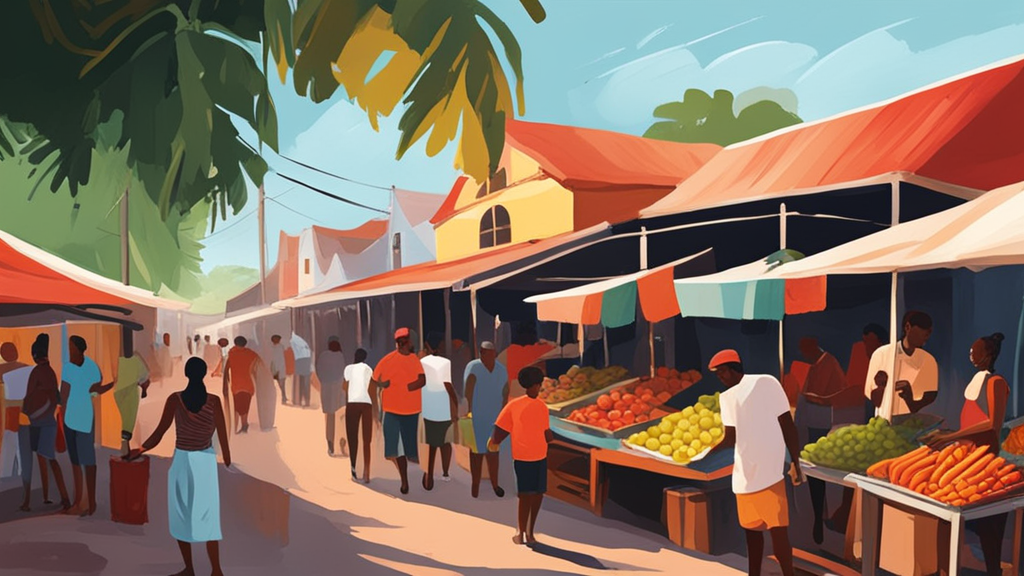
Comparison to Western Europe or North America shows that while dining out can be cheaper in Suriname, imported goods can be significantly more expensive. For example, a bottle of imported wine might set you back SRD 80 ($2.11) or more, while local beers can be enjoyed for around SRD 10 ($0.26). It’s a good idea to explore local markets for fresh produce and support local farmers while saving on costs.
Utilities and Internet
Utility costs in Suriname can be lower than in Western countries, particularly due to the absence of heating costs. Monthly utilities, including electricity, water, and gas, typically range from SRD 200 ($5.27) to SRD 600 ($15.83), depending on usage. Internet services are available but can be slower and pricier compared to what many expats are used to, averaging around SRD 300 ($7.91) per month for decent broadband speed. Always check service providers for the best deals available in your area.
Cultural Adaptations and Social Life
Building Community Connections
Engaging with the local community is vital for expats in Suriname. The population is incredibly diverse, with influences from various ethnic groups including Creole, Indian, Indigenous, and Chinese communities. Embracing this diversity can enrich your experience. Language can be a barrier, as Dutch is the official language, but many locals speak English, particularly in urban areas. Learning a few basic phrases in Sranan Tongo, the local Creole language, can foster goodwill and help you connect with residents.
Participating in local events and festivals is a fantastic way to integrate into the community. Popular festivals include Carnival in Paramaribo, where you can enjoy parades, music, and local dance. Connecting with expat groups on social media platforms or local meet-up events can also provide a support network and enhance your social life.
Health and Wellness
Access to healthcare in Suriname is generally good, particularly in Paramaribo, where several clinics and hospitals cater to expats. However, it's advisable to maintain international health insurance as certain treatments and medications may not be readily available. Routine vaccinations and preventive measures against tropical diseases are recommended. Local pharmacies are well-stocked with common medications, but always consult with a healthcare professional regarding specific health concerns.
Practical Tips for Expats in Suriname
Transportation and Getting Around
Public transportation in Paramaribo is limited but includes buses and shared taxis, which are affordable and a common way to navigate the city. However, for greater convenience, many expats opt for private vehicles. Car ownership comes with costs such as fuel, insurance, and maintenance, so budgeting for these expenses is crucial. Gasoline prices are generally lower than in Europe or North America, averaging around SRD 10 per liter ($0.26).
Alternatively, consider biking or walking in more pedestrian-friendly areas to enjoy the city's sights and climate. Some neighborhoods have bike lanes, making this an eco-friendly and healthy option.
Safety and Security
Like any city, Paramaribo has areas that are safer than others. Generally, it’s advisable to stay aware of your surroundings and avoid walking alone at night in less populated areas. Criminal activity tends to be lower than in many urban centers globally. Maintaining a low profile and securing your belongings will enhance your safety as you acclimate to your new home.
Conclusion
Living in Suriname presents a unique blend of cultural richness, natural beauty, and practical challenges. By understanding the local climate, housing options, cost of living, and cultural nuances, expats can navigate their new environment with ease. Building community connections, participating in local traditions, and being proactive about health and safety will enrich your experience in this vibrant country. Ultimately, Suriname offers an opportunity for adventure and a rewarding lifestyle for those willing to embrace its unique character.
AI-Generated Content: This article was created with AI assistance and may contain inaccuracies. Please verify important information with official sources.
Exchange rate used in this article: 1 USD = 37.86 SRD, 1 EUR = 42.569 SRD (rate as of 2026-10-09, source: Centrale Bank van Suriname).
Primary Sources
Last updated: October 2026