This guide was synthesized using the latest legislative data and verified by our editorial board. Laws are subject to change; always consult official sources for final confirmation.
Relocating to a new country, especially one as vibrant and diverse as Suriname, comes with unique health considerations. Understanding the local healthcare system, including health screenings and preventive checkups, is vital for expats looking to maintain their health and well-being. This article will provide you with essential insights into health screening options, preventive measures, and practical advice tailored for international professionals, digital nomads, and families settling in Suriname.
Understanding Health Services in Suriname
Suriname's healthcare system is a mix of public and private services, with private healthcare facilities often offering shorter wait times and more personalized care. Government clinics and hospitals provide essential services at lower costs but may face challenges such as limited resources. Expats typically find that private clinics in Paramaribo provide a level of care comparable to that in Western countries.
When it comes to health screenings, the local healthcare landscape is adapting to meet the needs of its population, including expatriates. Preventive healthcare is increasingly recognized as an essential aspect of public health, with initiatives promoting regular checkups and screenings for chronic diseases, infectious diseases, and general wellness.
Types of Health Screenings Available
In Suriname, health screenings often encompass a range of tests and evaluations aimed at early detection of health issues. Common screenings include blood pressure measurements, cholesterol tests, diabetes screening, and cancer screenings (such as mammograms and Pap smears). Many clinics also offer vaccinations and wellness checkups tailored to individual needs.
For families, pediatric health checkups are crucial. Local pediatricians conduct regular assessments, ensuring children receive appropriate vaccinations and developmental screenings. Understanding the immunization schedule as per local guidelines will help expat families navigate health needs efficiently.
Preventive Checkups: What to Expect
Preventive checkups are a proactive approach to health management that can help identify potential health issues before they develop into serious conditions. During a typical preventive checkup, healthcare providers will review your medical history, conduct a physical examination, and recommend necessary screenings based on age, gender, and risk factors.
In Suriname, preventive checkups may include lifestyle assessments, which address factors such as diet, exercise, and stress management. This holistic approach encourages expats to adopt healthier habits, aligning with local cultural practices that emphasize community and well-being.
Where to Get Screened
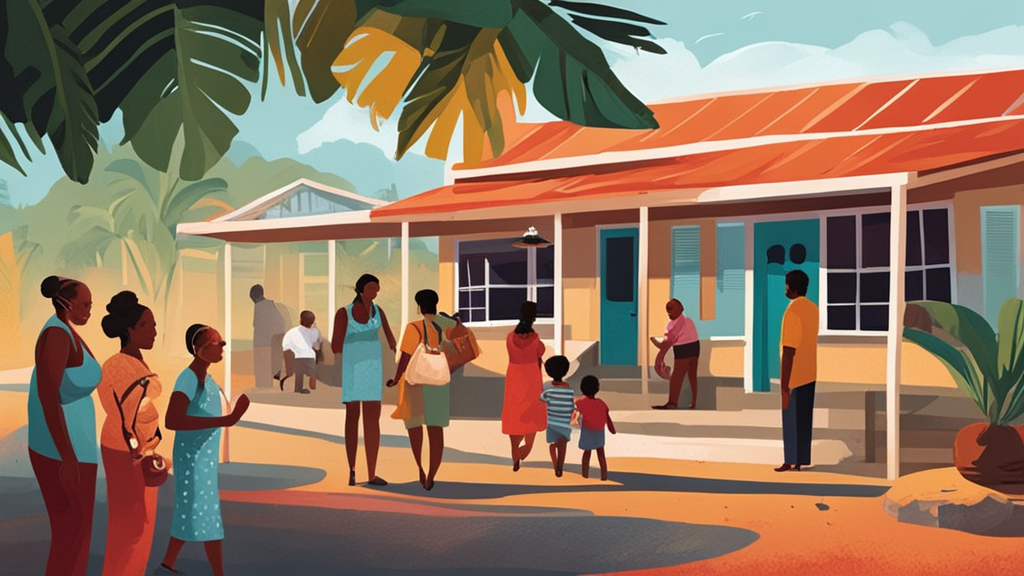
Many expats opt for private healthcare facilities in Paramaribo for health screenings and preventive checkups. Establishments like local clinics often have English-speaking staff and modern equipment, providing a more comfortable experience for non-Dutch speakers. Additionally, some international hospitals offer comprehensive health packages that cater specifically to expatriates.
By choosing a facility with a good reputation among the expat community, you can ensure a higher standard of care and a smoother experience.
Cost Considerations for Health Services
Healthcare costs in Suriname can be significantly lower than in Western Europe or North America. A typical preventive checkup in a private clinic may vary, but it is generally considered affordable compared to prices in your home country. Blood tests and additional screening services may incur extra charges, but they are often still manageable.
For expats with private health insurance, it’s essential to verify the coverage details regarding health screenings and preventive services. While many insurance plans may cover routine checkups, it is wise to confirm before incurring any costs.
Insurance and Payment Options
Many private clinics accept various payment methods, making payment straightforward for expats. However, some local clinics and hospitals may only accept cash, so it’s advisable to carry a small amount of Surinamese Dollars (SRD) for minor expenses. Understanding your insurance policy is crucial; many providers offer reimbursement for out-of-pocket expenses incurred during health services.
Cultural Nuances and Health Practices
Understanding the cultural context around health in Suriname can enhance your experience as an expat. The local population generally places a strong emphasis on community and family health. Therefore, seeking preventive care and discussing health openly is becoming increasingly common.
Expats may find that integrating into local wellness practices, such as participating in community health events, can foster connections and provide additional health insights. Engaging with local communities can also help you learn about traditional remedies and treatments that may complement conventional healthcare.
Adapting to Local Health Norms
As a newcomer, it’s essential to adapt to local health norms. For instance, tropical diseases such as malaria are concerns in Suriname, and preventive measures such as mosquito repellent and vaccinations may be necessary. Local hospitals and clinics are well-equipped to provide vaccinations and advice on preventative measures against these diseases.
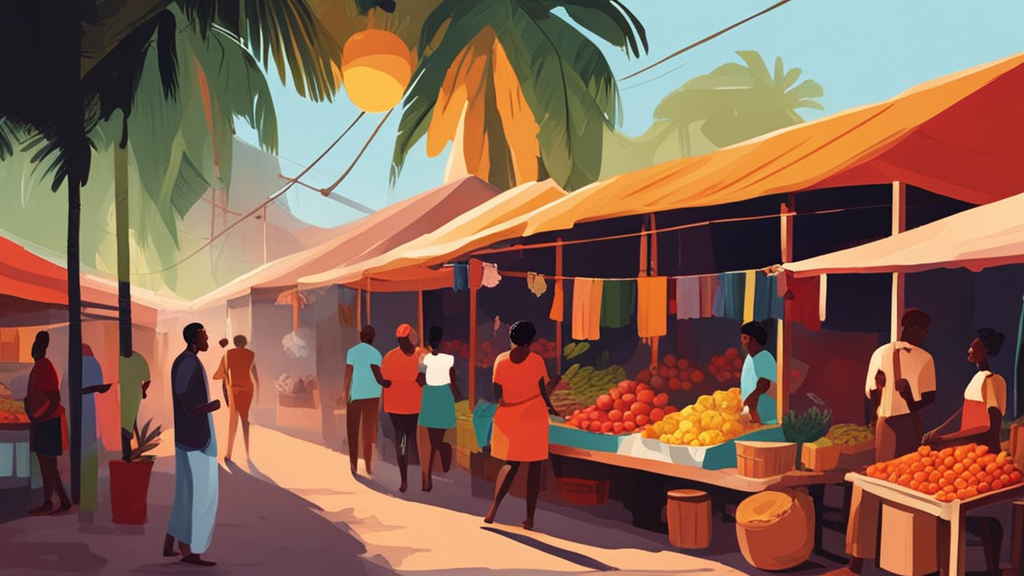
Additionally, understanding the local diet and lifestyle can help expats make healthier choices. Suriname boasts a rich culinary landscape influenced by diverse cultures, offering healthy options such as fresh fruits, vegetables, and fish. Familiarizing yourself with local markets can also be a delightful way to integrate into the community.
Practical Tips: What Expats Should Know
- Language Barrier: Although many healthcare providers speak English, learning a few basic Dutch phrases can enhance communication and ease visits to local clinics.
- Regular Checkups: Schedule annual health screenings and preventive checkups to monitor your health proactively. Early detection can be crucial in managing potential health issues.
- Community Resources: Engage with expat communities on social media to share experiences and recommendations for healthcare providers, which can lead to valuable insights.
- Emergency Services: Familiarize yourself with local emergency numbers and nearest hospitals to ensure you are prepared in case of urgent health needs.
In conclusion, navigating health screenings and preventive checkups in Suriname involves understanding local healthcare practices, costs, and cultural nuances. By proactively engaging in your health management and utilizing local resources, expats can ensure a smooth transition and maintain their well-being. From seeking preventive care to adapting to local health norms, being informed will empower you to thrive in your new environment.
AI-Generated Content: This article was created with AI assistance and may contain inaccuracies. Please verify important information with official sources.
Exchange rate used in this article: 1 USD = 37.852 SRD, 1 EUR = 43.424 SRD (rate as of 2026-09-28, source: Centrale Bank van Suriname).
Primary Sources
Last updated: September 2026