
This guide was synthesized using the latest legislative data and verified by our editorial board. Laws are subject to change; always consult official sources for final confirmation.
The Guyanese community in Suriname is a vibrant and integral part of the nation’s diverse cultural tapestry. With roots deeply embedded in shared history and migration patterns, this community contributes significantly to the socio-economic landscape of Suriname. This article explores where Guyanese individuals and families typically live, work, and how they integrate into the local culture, offering practical insights for expatriates looking to connect with this dynamic group.
Historical Context of the Guyanese Community
The migration of Guyanese to Suriname can be traced back to colonial times when labor shortages in sugar plantations necessitated the movement of workers across borders. Many Guyanese, particularly Indo-Guyanese and Afro-Guyanese, sought better opportunities in Suriname. Today, their descendants form a vibrant community, contributing to both the cultural and economic life in the country.
As of our last update, the Guyanese community in Suriname consists of approximately 20,000 individuals. They are primarily concentrated in urban areas such as Paramaribo, the capital city, and its surrounding neighborhoods. This migration has enriched Suriname’s cultural diversity, making it a melting pot of traditions, languages, and culinary delights.
Neighborhoods with a High Concentration of Guyanese
In Paramaribo, several neighborhoods are known for their Guyanese populations. Areas like the historic inner city, which is a UNESCO World Heritage Site, and suburbs such as Livorno and Tammenga are popular among Guyanese families. These neighborhoods typically offer a mix of residential options, from traditional wooden homes to modern apartment complexes, often at a cost of around 1,400 SRD (approximately $37) for a modest unit.
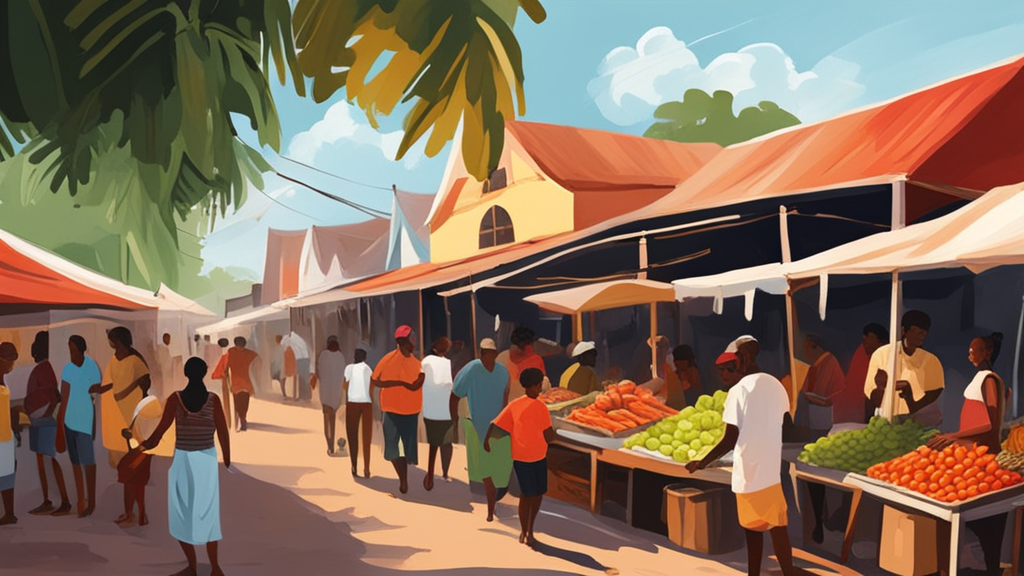
The inner city’s charm lies in its colonial architecture and vibrant marketplace, where you can find a mix of local and Guyanese goods. The bustling markets provide a sense of home for many Guyanese, featuring spices, fresh produce, and traditional foods. The presence of local eateries serving Guyanese cuisine, such as roti and curry, makes these neighborhoods especially inviting for newcomers.
Employment Opportunities for Guyanese Expats
The economic landscape in Suriname offers various employment opportunities for the Guyanese community, particularly in sectors such as agriculture, mining, and tourism. Many Guyanese work in the agricultural sector, especially in rice and sugar cultivation, which are significant contributors to the local economy. For expatriates, understanding this economic context can be crucial for networking and job hunting.
Moreover, the growing oil sector in Suriname has created a demand for skilled labor, making it an attractive field for professionals. Expats with backgrounds in engineering, environmental science, or project management may find lucrative opportunities in this booming industry. Networking events and job fairs are common in Paramaribo, providing a platform for connecting with local businesses and other expatriates.
Cultural Integration and Community Engagement
One of the most enriching aspects of living in Suriname is the opportunity to engage with the diverse communities, including the Guyanese. Cultural events, such as festivals celebrating Indian and African heritage, are held throughout the year and are excellent opportunities for expats to immerse themselves in the local culture. Events like Diwali and Eid are celebrated with great enthusiasm, featuring traditional music, dance, and food.
Additionally, the Guyanese community often organizes social gatherings and cultural exchanges, which are open to expatriates. Participating in these events can foster friendships and provide a deeper understanding of the community’s rich traditions. Joining local clubs or associations that focus on cultural heritage can also be beneficial for networking and socializing.
Practical Tips for Navigating Life in the Guyanese Community
For expatriates looking to connect with the Guyanese community in Suriname, here are some practical tips:
- Learn the Language: While Dutch is the official language, many in the Guyanese community speak Sranantongo, an English-based creole. Familiarizing yourself with basic phrases can enhance communication and build rapport.
- Explore Local Cuisines: Don't miss the chance to try traditional Guyanese dishes. Seek out local restaurants or markets that specialize in Guyanese cuisine. This culinary exploration can be a delightful way to bond with community members.
- Participate in Cultural Events: Attend festivals and community gatherings. These events are not only fun but also provide insight into the traditions and values of the Guyanese people.
- Be Respectful of Traditions: Understanding and respecting cultural differences is key to integrating successfully. Engage in conversations about customs and traditions, showing genuine interest and respect.
- Utilize Social Media: Platforms like Facebook have groups dedicated to the Guyanese community in Suriname. Joining these groups can offer insights, resources, and connections.
Conclusion
The Guyanese community in Suriname plays a vital role in enriching the country’s cultural landscape. With a strong sense of identity and community, they are well-integrated into the fabric of Surinamese society. For expatriates, understanding this community’s history, where they live, and how they work can facilitate smoother integration and richer experiences in Suriname. Engaging with the Guyanese community through cultural events, local cuisine, and social networking can foster meaningful connections and a sense of belonging.
AI-Generated Content: This article was created with AI assistance and may contain inaccuracies. Please verify important information with official sources.
Exchange rate used in this article: 1 USD = 37.84 SRD, 1 EUR = 43.667 SRD (rate as of 2026-09-24, source: Centrale Bank van Suriname).