
This guide was synthesized using the latest legislative data and verified by our editorial board. Laws are subject to change; always consult official sources for final confirmation.
Suriname, a small tropical country nestled on the northeastern coast of South America, boasts an abundance of fresh fish and seafood. The diverse ecosystems, including rivers, mangroves, and coastal waters, provide a rich variety of marine life. This article explores how expats can access fresh fish and seafood in Suriname, the local markets where they can be found, and practical tips for integrating these delights into their culinary experiences.
Understanding Suriname’s Seafood Landscape
Suriname's seafood supply is characterized by a blend of local fishing practices and imports from nearby regions. The country is home to a thriving fishing community that targets various species, including shrimp, snapper, and tilapia. The local fishermen typically rely on traditional methods passed down through generations, ensuring a sustainable approach to harvesting seafood.
The coastal waters of Suriname are rich in biodiversity, and the fishing industry plays a vital role in the economy. Exporting seafood to international markets is a significant aspect, with many local fisheries exporting products to the Caribbean and beyond. The seafood available in Suriname encompasses both wild-caught and farmed varieties, providing options for all tastes and budgets.
Local Fish Markets in Paramaribo
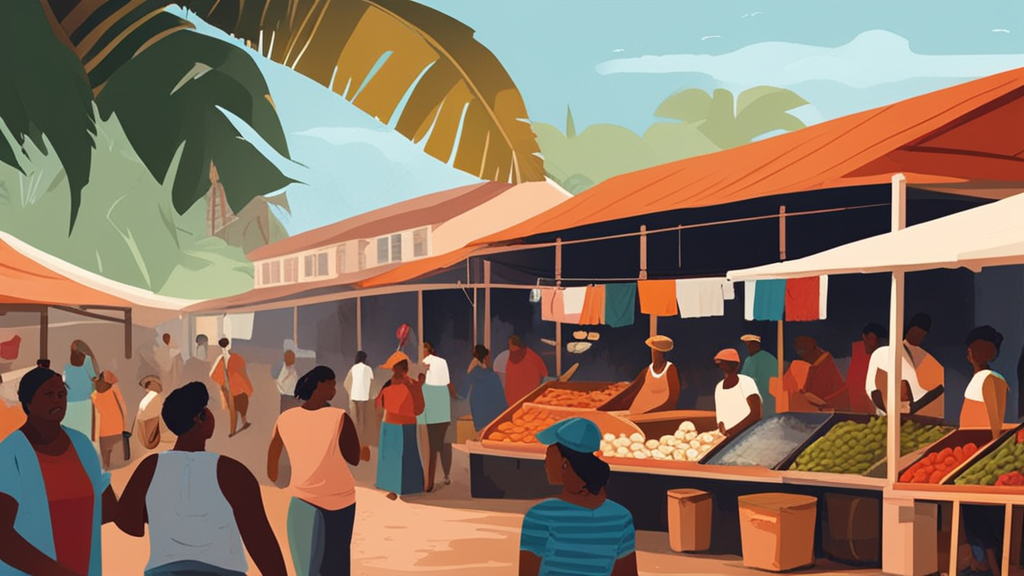
In Paramaribo, the capital city, several vibrant fish markets offer fresh seafood daily. The Central Market, located in the heart of the city, is a bustling hub where locals and expats alike can find an array of fresh fish and seafood. Here, vendors sell everything from whole fish to fillets, shrimp, and calamari. Prices can vary, but you can typically expect to pay around 50 SRD ($1.32) for a kilogram of fresh snapper, making it an affordable option for families and individuals alike.
Another popular spot is the Fish Market at the Waterfront, which provides a scenic backdrop for shopping. This market not only sells fresh fish but also offers a variety of seafood dishes, allowing you to sample local flavors while you shop. Don't miss the chance to try 'bakkeljauw' (salted cod) dishes available at nearby food stalls, a local favorite influenced by the Dutch and Portuguese colonial history.
Types of Fish and Seafood Available
The selection of fish and seafood in Suriname is diverse, catering to various culinary preferences. Local favorites include:
- Tilapia: A popular freshwater fish, often farmed and readily available in markets. It is typically priced around 60 SRD ($1.58) per kilogram.
- Snapper: Known for its firm texture and mild flavor, it is often grilled or fried.
- Shrimp: Fresh shrimp is a staple, perfect for local dishes like shrimp curry.
- Catfish: A versatile option that can be fried, grilled, or used in soups.
Importing Seafood to Suriname
While Suriname has a robust local fishing industry, it also relies on seafood imports to meet consumer demand. Fish and seafood are imported from various countries, including neighboring Guyana and Trinidad. This importation ensures that residents have access to a wider variety of seafood options, particularly during seasons when local fishing may be less productive.
Air transport plays a crucial role in the seafood supply chain, with companies specializing in the quick and efficient delivery of perishable goods. Fresh fish is transported from fishing boats to local markets within hours, ensuring quality and freshness. This swift logistics process is vital in maintaining the high standards expected by consumers, particularly in a tropical climate where spoilage can occur quickly.
Quality Assurance and Sustainability
Quality assurance is a significant factor in the seafood supply chain in Suriname. Local fisheries typically adhere to safety regulations to ensure that the seafood is safe for consumption. Many markets display certification programs indicating that the fish has been sourced sustainably. Expats can look for labels or ask vendors about sourcing practices to make informed choices.
Sustainability is becoming increasingly important in Suriname’s fishing practices. Efforts to promote sustainable fishing methods aim to protect marine ecosystems while supporting local fishermen. When purchasing seafood, consider selecting products from vendors who prioritize sustainability, contributing to the health of both the environment and the local economy.
Practical Tips for Expats
For expatriates living in Suriname, navigating the seafood market can be an enjoyable experience. Here are some practical tips to enhance your seafood purchasing journey:
- Timing is Key: Visit fish markets early in the morning when the catch is freshest. The best selection is typically available right after the fishermen return with their catch.
- Ask Questions: Engage with vendors to learn about the fish and seafood. They can provide cooking tips and suggest local recipes to try, enhancing your culinary experience.
- Explore Local Dishes: Integrate local seafood into your cooking by trying popular dishes such as 'saoto soup' (a Javanese chicken soup with shrimp) or 'moksi alesi' (mixed rice with seafood).
- Storage and Preparation: Given the tropical climate, ensure that you have proper refrigeration for your seafood purchases. Consume or freeze seafood promptly to maintain freshness and prevent spoilage.
- Delivery Options: Some vendors and markets offer delivery services, particularly for larger orders. Explore these options for convenience, especially if you have a busy schedule.
Conclusion
Fresh fish and seafood in Suriname offer a vibrant culinary experience influenced by local traditions and diverse cultures. With an abundance of local markets and a commitment to quality and sustainability, expats can enjoy delicious seafood while supporting the local economy. By following practical tips and exploring local dishes, you can immerse yourself in Suriname's rich culinary scene and make the most of your seafood purchases.
AI-Generated Content: This article was created with AI assistance and may contain inaccuracies. Please verify important information with official sources.
Exchange rate used in this article: 1 USD = 37.852 SRD, 1 EUR = 43.424 SRD (rate as of 2026-09-29, source: Centrale Bank van Suriname).