
This guide was synthesized using the latest legislative data and verified by our editorial board. Laws are subject to change; always consult official sources for final confirmation.
Understanding food safety and hygiene standards in Suriname is essential for expatriates, whether you're settling down with your family, working as a digital nomad, or exploring new culinary experiences. With its rich and diverse culinary landscape influenced by various cultures, ensuring that food is safe and hygienic is vital for health and wellbeing. This article delves into the food safety regulations, common practices, and tips to navigate the food scene safely in Suriname.
Overview of Food Safety Regulations in Suriname
The foundation of food safety in Suriname is established by the Nationaal Instituut voor Voedselveiligheid Suriname (NIVS), which is responsible for developing and enforcing food safety regulations. The NIVS aims to protect consumers from foodborne illnesses and ensure that food products meet safety standards.
Typically, the NIVS collaborates with local food businesses to create awareness about best practices, including the requirement for food establishments to implement a food safety plan following the Hazard Analysis and Critical Control Point (HACCP) system. This plan identifies potential hazards during food production and establishes measures to mitigate these risks. Regular inspections by the NIVS help ensure compliance with these standards.
Common Food Safety Concerns
Foodborne illnesses pose a significant risk in many countries, including Suriname. Common concerns typically include contamination from bacteria like Salmonella, Escherichia coli (E. coli), and Listeria, which can arise from improper handling, storage, or cooking of food. Awareness of these pathogens is crucial, especially for expatriates unfamiliar with local practices.
According to the World Health Organization, unsafe food can lead to various illnesses, including diarrhea, which can be particularly dangerous for children and the elderly. Therefore, adopting safe food handling practices is essential for those living or traveling in Suriname.
Hygiene Practices in Food Preparation
Hygiene practices in food preparation are crucial in preventing the spread of foodborne illnesses. Local food vendors, markets, and restaurants are increasingly adopting modern hygiene practices, but it's essential to be vigilant.
When dining out or purchasing food from local vendors, observe the following hygiene practices:
- Check Personal Hygiene: Ensure that food handlers wear gloves and maintain personal hygiene, such as washing hands frequently.
- Food Storage: Be cautious about how food is stored. It should be kept at appropriate temperatures to prevent spoilage and bacterial growth.
- Clean Utensils: Ensure that utensils and food preparation areas are clean and sanitized before use.
Local Markets and Street Food
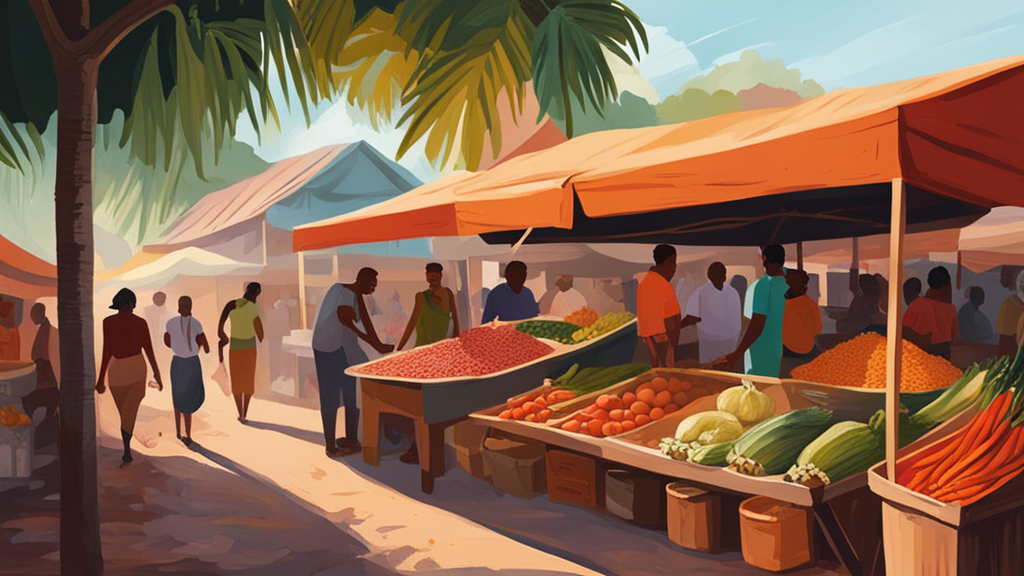
Suriname is known for its vibrant street food scene and bustling markets, offering a variety of local dishes, from nasi goreng (fried rice) to roti (Indian flatbread). However, street food can sometimes present food safety challenges due to varying hygiene standards.
When indulging in street food, consider visiting vendors who have a high turnover of food, as this indicates freshness. Also, observe how food is prepared; steaming or frying food at high temperatures can reduce the risk of contamination.
Food Storage and Handling at Home
For expatriates living in Suriname, understanding how to store and handle food safely at home is just as crucial as eating out. Here are some best practices:
- Refrigeration: Ensure your refrigerator is set to 4°C (39°F) or below to inhibit bacterial growth. Check that your freezer is at -18°C (0°F) to keep frozen foods safe.
- Food Separation: Keep raw meats separate from other food items to avoid cross-contamination. Use different cutting boards for meats and vegetables.
- Proper Thawing: Always thaw food in the refrigerator or under cold running water, never at room temperature. This prevents bacterial growth.
Cooking Temperatures
Cooking food to the appropriate temperatures is vital for ensuring safety. Typically, meat should be cooked to a minimum internal temperature of:
- Chicken: 75°C (165°F)
- Ground meats: 70°C (160°F)
- Fish: 63°C (145°F)
Using a food thermometer can help ensure that your food reaches these temperatures, reducing the risk of foodborne illnesses.
What Expats Should Know About Food Safety
As an expatriate in Suriname, there are several practical tips to keep in mind to ensure food safety:
- Stay Informed: Follow local news and health advisories regarding food safety and any reported outbreaks of foodborne illnesses.
- Explore Reliable Sources: When shopping for groceries, visit reputable supermarkets that are known for their adherence to food safety standards. Look for stores that stock international products, as they may have stricter hygiene practices.
- Ask for Recommendations: Connect with other expats or locals to get recommendations on safe dining options or markets where hygiene standards are maintained.
- Be Cautious with Imported Products: Some imported food items may not meet the same safety standards as those from local producers. Always check for proper labeling and expiration dates.
Conclusion
Understanding food safety and hygiene standards in Suriname is crucial for expatriates looking to enjoy the local cuisine while ensuring their health and wellbeing. By familiarizing yourself with local regulations, practicing safe food handling at home, and being vigilant when dining out, you can significantly reduce your risk of foodborne illnesses. Embrace the diverse culinary landscape of Suriname while prioritizing safety, and you'll have a rewarding and enjoyable experience.
AI-Generated Content: This article was created with AI assistance and may contain inaccuracies. Please verify important information with official sources.
Primary Sources
Last updated: September 2026