
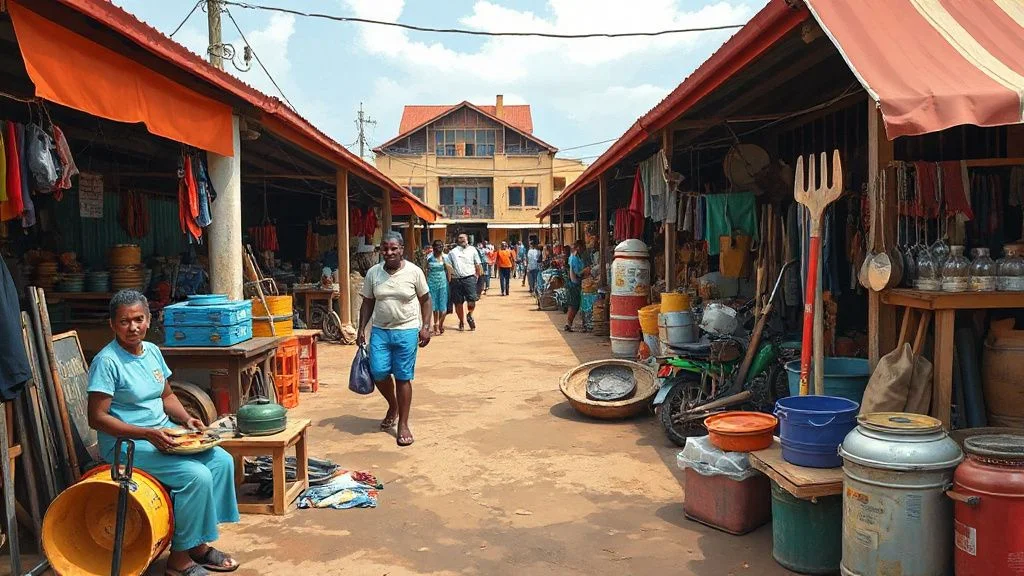
Relocating to Suriname or planning an extended stay can be an exciting adventure, especially for expatriates, digital nomads, and families. One common concern for those moving to this vibrant South American country is how to transport tools or equipment in checked luggage. This guide will provide you with practical advice on what to consider when packing your tools, the regulations you need to follow, and tips for ensuring a smooth journey.
What can we help you with?
Three short questions, then just how to reach you. No account needed.
Understanding Airline Regulations
Before you start packing your tools, it’s crucial to familiarize yourself with the airline regulations regarding checked luggage. Most airlines have specific guidelines about the types of items that can be included in checked baggage, particularly when it comes to tools and equipment. Generally, tools that are sharp or could be considered weapons (like knives, saws, or hammers) may be restricted or require special handling.
For example, airlines typically allow hand tools such as screwdrivers, pliers, and wrenches, but they may need to be packed securely to prevent injury to baggage handlers. Always check with your airline for their specific policies regarding tools and equipment. Some airlines may also have weight limits for checked luggage, which could affect how much you can bring. Verify these details before your trip to avoid any surprises at the airport.
Customs Regulations in Suriname
Once you arrive in Suriname, you’ll need to be aware of the customs regulations regarding the importation of tools and equipment. Suriname has specific rules about what can be brought into the country, especially for items that may be considered commercial goods. If you are bringing tools for personal use, you typically won’t face significant issues, but it’s essential to keep receipts or documentation that proves ownership and intended use.
For larger quantities or professional-grade tools, you may need to declare them at customs. This is particularly important if you plan to use these tools for work or if you are a contractor. Failing to declare items that should be reported can lead to fines or confiscation. Two practical notes before you travel. The body to check with is the Douane, the Surinamese customs service, which forms part of the tax administration rather than being a separate authority under that name. And there is a step that catches people out: every passenger travelling to or from Suriname completes the Immigration and Customs Form online before departure, at icf.sr, which produces a QR code you present on arrival. That form, and not a conversation at the desk, is where your declaration starts, so decide what you are declaring before you fill it in rather than in the queue.
Packing Your Tools Effectively
When packing tools for your journey, organization and protection are key. Start by categorizing your tools based on size and type. Use sturdy toolboxes or padded bags to protect your tools from damage during transit. If you’re bringing electrical equipment, ensure that it is properly insulated and secured to prevent any accidents.
Consider using foam or bubble wrap to cushion fragile items. For smaller tools, a tool roll or pouch can help keep everything organized and easily accessible. Label your bags clearly, as this can help customs officials identify your items more quickly, reducing the likelihood of delays.
Weight Considerations
Be mindful of the weight of your checked luggage. Most airlines have a weight limit of around 50 pounds (approximately 23 kg) for checked bags. If your tools exceed this limit, you may incur additional fees. Weigh your luggage at home before heading to the airport to avoid unexpected charges. If you find your bag is too heavy, consider leaving non-essential tools behind or shipping them separately to your new home in Suriname.
Essential Tools for Expat Life in Suriname
As you prepare for your move, think about what tools will be essential for your new life in Suriname. Depending on your profession or hobbies, you might want to include:
- Basic Hand Tools: Screwdrivers, pliers, and wrenches are useful for everyday repairs.
- Gardening Tools: If you plan to cultivate a garden, consider bringing basic gardening tools.
- Electrical Equipment: If you work in a technical field, ensure you have the necessary tools for your job.
Remember that while some tools may be available locally, they might not meet the same quality standards you are accustomed to in Western Europe or North America. Bringing your trusted tools can make settling in much easier.
Local Availability of Tools and Equipment
Once you arrive in Suriname, you may find that certain tools and equipment are available locally, especially in Paramaribo. However, the selection may be limited compared to what you are used to. Local hardware stores typically carry basic tools and supplies, but specialized equipment may be harder to find.
For example, if you are a professional tradesperson, you might want to bring your specific tools rather than relying on local sources. Additionally, prices for tools in Suriname can be higher than in Western countries due to import taxes and shipping costs. This is another reason why bringing your essential tools can be beneficial.
Practical Tips for Expatriates
Here are some insider tips to help you navigate the process of carrying tools and equipment to Suriname:
- Document Everything: Keep receipts and documentation for your tools. This can be helpful for customs and in case of any disputes.
- Consider Shipping: If you have a large number of tools or heavy equipment, consider shipping them separately. This can sometimes be more cost-effective than paying excess baggage fees.
- Network with Locals: Once you arrive, connect with local expatriates or online communities. They can provide valuable insights into where to find tools and equipment in Suriname.
- Be Flexible: Be prepared for the possibility that some tools may not be available in Suriname. Consider alternatives or be open to purchasing local brands.
Conclusion
Carrying tools and equipment in checked luggage to Suriname requires careful planning and consideration of airline and customs regulations. By understanding the rules and packing effectively, you can ensure a smooth transition to your new life in this beautiful country. Remember to document your items, consider local availability, and connect with fellow expatriates for support. With the right preparation, you can make your move to Suriname a successful and enjoyable experience.
Last updated: November 2026