
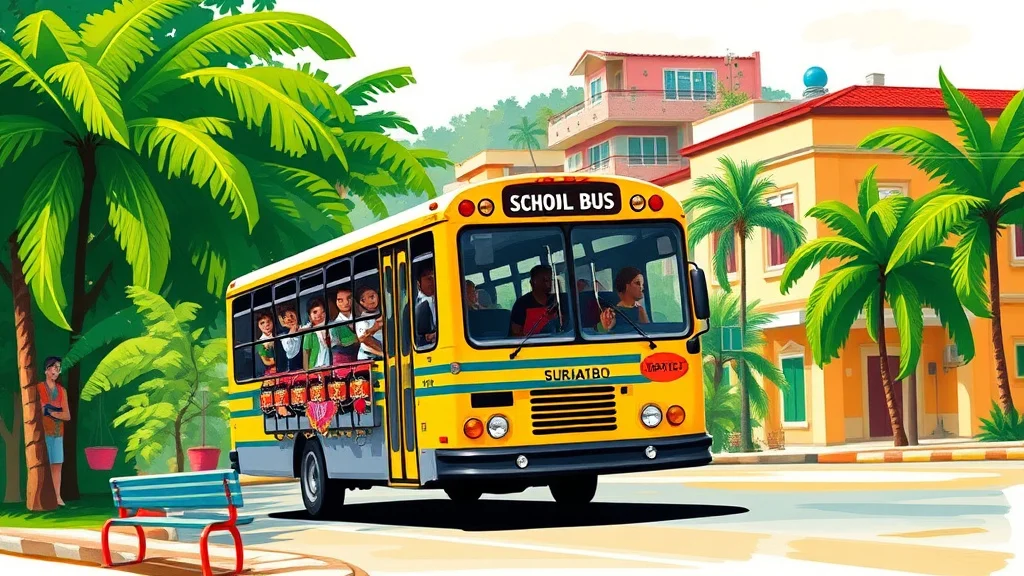
Relocating to Suriname presents a unique set of challenges and opportunities, especially when it comes to ensuring a smooth transition for your children. Understanding the local school bus transportation system is crucial for expat families, as it affects daily commuting, safety, and overall adjustment to life in this tropical country. In this article, we will explore the details of school bus transportation in Suriname, providing you with practical advice and insights based on real expat experiences.
Understanding the School System in Suriname
Suriname’s education system consists of both public and private institutions. The country has a range of schools catering to various educational philosophies, including international schools that often follow American or European curriculums. For expat families, choosing the right school is a significant first step, and understanding the transportation options available will ease the transition for both parents and children.
Some schools in Paramaribo may offer transportation services to accommodate their students. These services are designed to ensure that children can reach school safely and on time, alleviating concerns for parents about their daily commute.
How School Bus Transportation Works
The school bus system in Suriname typically operates in a manner that aligns with the school calendar. The exact routes and schedules can vary depending on the school and the number of students utilizing the service. It’s advisable for expat parents to check with their chosen school for the most current information regarding bus routes and timings.
While many expat families rely on school buses, some prefer alternative options such as private transport services or carpooling with other parents. These alternatives can offer more flexibility, particularly for families with children involved in after-school activities. However, it’s essential to ensure that any private transport service complies with local safety regulations.
Safety Considerations for Expat Families
Safety is a primary concern for parents when it comes to school transportation. While specific details about the safety features of school buses in Suriname are not widely documented, it is important for parents to verify the safety records and protocols of the school bus service before enrolling their child. Engaging with other expat parents can provide valuable insights into the reliability of the service.
In addition to the physical safety of the bus, cultural differences may influence how children interact with their transportation environment. Suriname is known for its friendly and communal atmosphere, and children often form close bonds with their bus drivers and fellow passengers. This sense of community can greatly enhance your child's experience and help them feel more at home in their new surroundings.
Cultural Nuances and Adjustments
Adapting to Surinamese culture can be an enriching experience for expat children. The multicultural environment—comprising influences from Indigenous, African, Asian, and European communities—offers a unique backdrop for educational and social interactions. While riding the school bus, children may encounter classmates from diverse backgrounds, each bringing their unique customs and languages. Encouraging your child to engage with peers from different cultures can foster inclusivity and enhance their social skills.
In addition, understanding local customs, such as greetings and respectful behavior, can help expat children integrate more smoothly. Teaching your child about the importance of politeness and respect in interactions can enhance their comfort level and ease their interactions with local peers.
Practical Tips for Expat Families
As you navigate school bus transportation in Suriname, consider these practical tips to ensure a smoother experience for your family:
- Communicate with the School: Establish clear communication with the school administration regarding transportation options, schedules, and any necessary paperwork. This will help you stay informed about your child's daily routine.
- Connect with Other Parents: Joining expat groups on social media platforms can provide a wealth of information. Other parents can share their experiences with school bus services and offer recommendations for safe and reliable options.
- Plan for Flexibility: Traffic in Paramaribo can be unpredictable, particularly during peak hours. Build extra time into your schedule for potential delays, especially when picking up or dropping off your child.
- Encourage Independence: Depending on your child's age, encouraging them to take responsibility for their travel arrangements can foster independence. Teach them how to read bus schedules, recognize their stop, and communicate with the driver if needed.
- Explore Routes Together: Before the school year begins, take a ride on the bus route with your child. Familiarizing them with the journey can alleviate anxiety and help them feel more confident on their first day.
Conclusion
School bus transportation is a vital aspect of life for expatriate families in Suriname, ensuring that children can access educational opportunities safely and conveniently. By understanding the local schooling system, embracing cultural nuances, and leveraging practical tips, expat families can navigate this new chapter with confidence. Ultimately, the school bus can become more than just a means of transportation; it can be a bridge to community and cultural engagement for your children in their new home.
Primary Sources
Last updated: October 2026