Deze gids is samengesteld met de nieuwste wetgevingsgegevens en geverifieerd door onze redactie. Wetgeving kan veranderen; raadpleeg altijd officiële bronnen voor definitieve bevestiging.
Understanding the weather in Suriname is vital for newcomers, especially for those planning to relocate or spend an extended period in this tropical paradise. This guide will walk you through the seasons, temperature ranges, and practical considerations to help you adapt to life in Suriname.
Climate Overview
Suriname is located just above the equator, giving it a tropical climate characterized by high humidity and warm temperatures throughout the year. Typically, average daily temperatures range from 27°C to 32°C (80°F to 90°F), creating a warm atmosphere ideal for outdoor activities. However, newcomers should be prepared for the humidity levels, which can make the heat feel more intense.
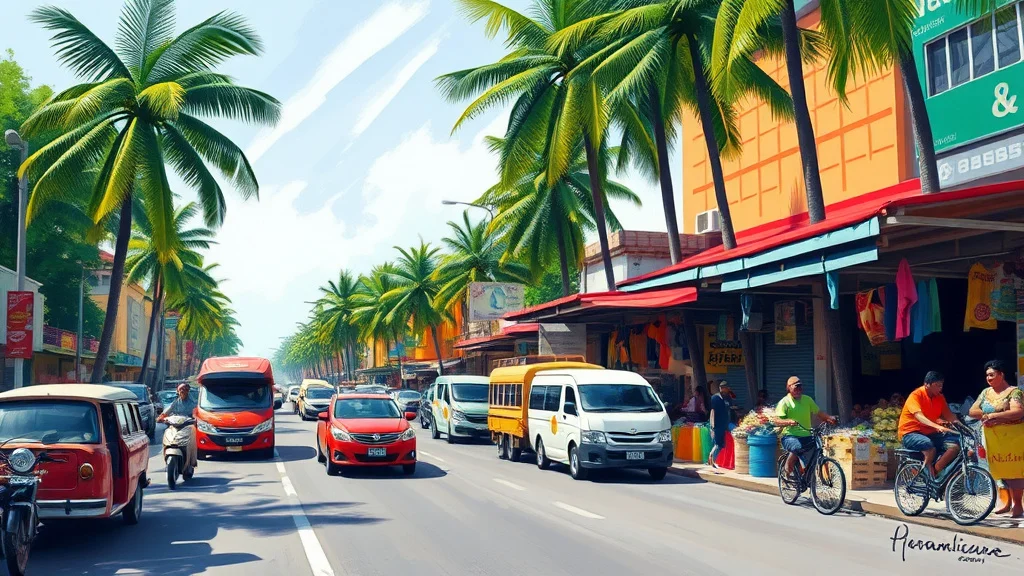
In Paramaribo, the capital city, the climate is representative of the lowland coastal area. The city sees approximately 2,200 millimeters (86 inches) of rainfall annually, with most precipitation occurring during the rainy seasons. The daily trade winds from the Atlantic can provide occasional relief from the heat, especially in coastal areas.
Understanding the Seasons
Suriname experiences two main rainy seasons and two dry seasons, a pattern that is crucial for newcomers to understand:
- First Rainy Season: This season typically runs from late April to mid-August, with May and June being the wettest months. Expect frequent rain showers, often in the form of heavy downpours, particularly in the afternoons. Newcomers should prepare for muddy conditions and potential flooding in some areas.
- First Dry Season: Following the first rainy season, a dry spell occurs from mid-August to late November. This period is generally the best time to explore outdoor attractions, as humidity levels are lower and temperatures can feel more comfortable.
- Second Rainy Season: This shorter rainy season typically takes place from early December to early February. While rain may be less frequent than during the first rainy season, it can still be heavy, so having rain gear on hand is advisable.
- Second Dry Season: The second dry season runs from late February to late March. This period usually offers warm and drier weather, making it an excellent time for outdoor activities and exploring the lush landscapes of Suriname.
Monthly Temperature and Rainfall Patterns
Understanding the monthly weather patterns can help you plan activities and outings effectively. Here’s a brief overview of what to expect throughout the year:
- January: Average high of 30°C (86°F), with about 200 mm of rainfall. January can feel quite humid, and while it’s one of the cooler months, expect warm days.
- February: Similar temperatures to January, with slightly less rain (approximately 140 mm). This month sees some of the driest days, making it a good time for outdoor exploration.
- March: High temperatures remain around 30°C (86°F) with about 150 mm of rain. The humidity starts to rise as the first rainy season approaches.
- April: Marking the start of the first rainy season, temperatures rise to about 31°C (88°F), and rainfall can reach 210 mm. Frequent afternoon showers are common.
- May and June: These are typically the wettest months, with rainfall exceeding 290 mm. Temperatures remain high, and newcomers should prepare for daily rain showers.
- July: Average temperatures hover around 31°C (88°F) with rain decreasing slightly to about 230 mm. It’s a good time for indoor activities or visits to air-conditioned venues.
- August: A transition month with highs of 32°C (90°F) and about 170 mm of rainfall. This month marks the start of the dry season, making it ideal for outdoor excursions.
- September and October: The warmest months, temperatures can peak at 33°C (91°F) with significantly less rain—around 90 mm. Outdoor activities are highly recommended during this period.
- November: As temperatures start to drop slightly to 32°C (90°F), rainfall increases again to approximately 120 mm, indicating the end of the dry season.
- December: Average high remains around 30°C (86°F) with rainfall at about 180 mm. The second rainy season begins, so having rain gear handy is beneficial.
Practical Tips for Newcomers
Adapting to Suriname's weather can be easier with some practical tips:
- Dress Appropriately: Lightweight, breathable clothing is key. Fabrics like cotton and linen can help keep you cool. It’s advisable to wear light colors, which reflect sunlight better.
- Stay Hydrated: The humidity can lead to dehydration quickly. Carry a reusable water bottle and drink plenty of fluids throughout the day, especially if you plan to be outdoors.
- Utilize Air Conditioning: Most homes and offices in Paramaribo are equipped with air conditioning. If you're renting a property, ensure that it has air conditioning to help combat the heat and humidity.
- Plan Indoor Activities: Use the rainy afternoons to explore local museums, cafes, or shopping centers. Paramaribo offers several cultural venues that showcase its rich history and diverse influences.
- Outdoor Timing: If you enjoy outdoor activities, plan them for early mornings or late afternoons when temperatures are cooler. This is especially important during the wet seasons when afternoon rain is likely.
Cultural Considerations and Adaptation
Weather in Suriname is closely tied to its culture, with local life often adapting to the climatic conditions. For instance, many Surinamese people enjoy socializing outdoors, especially during the dry season, when the weather is more accommodating.
Food culture also shifts with the seasons. During rainy days, warm, hearty meals become popular. Restaurants often serve traditional dishes that are comforting during the cooler, rainy months. If you’re new to the local cuisine, be sure to try street food on sunny weekends, particularly at markets where vendors offer a variety of dishes influenced by the country’s diverse population.
Conclusion
Newcomers to Suriname will find that the weather is a significant aspect of life here, influencing daily activities, cultural events, and even social interactions. By understanding the seasonal patterns, preparing accordingly, and embracing the local culture, you can enjoy a smooth transition into life in this vibrant tropical country. Whether you find yourself enjoying a sunny day at the market or navigating a rainy afternoon, Suriname’s climate invites exploration and adventure.
AI-Generated Content: This article was created with AI assistance and may contain inaccuracies. Please verify important information with official sources.
Laatst bijgewerkt: augustus 2026