Deze gids is samengesteld met de nieuwste wetgevingsgegevens en geverifieerd door onze redactie. Wetgeving kan veranderen; raadpleeg altijd officiële bronnen voor definitieve bevestiging.
Suriname is a vibrant tapestry of cultures, and nowhere is this more apparent than in its street food scene. As an expatriate in Suriname, whether you're a digital nomad, an international professional, or a family looking to explore local flavors, this guide will navigate you through the must-try street food options. From unique dishes reflecting the country's diverse heritage to practical tips on where to find them, get ready to indulge in a culinary adventure.
Understanding Surinamese Street Food
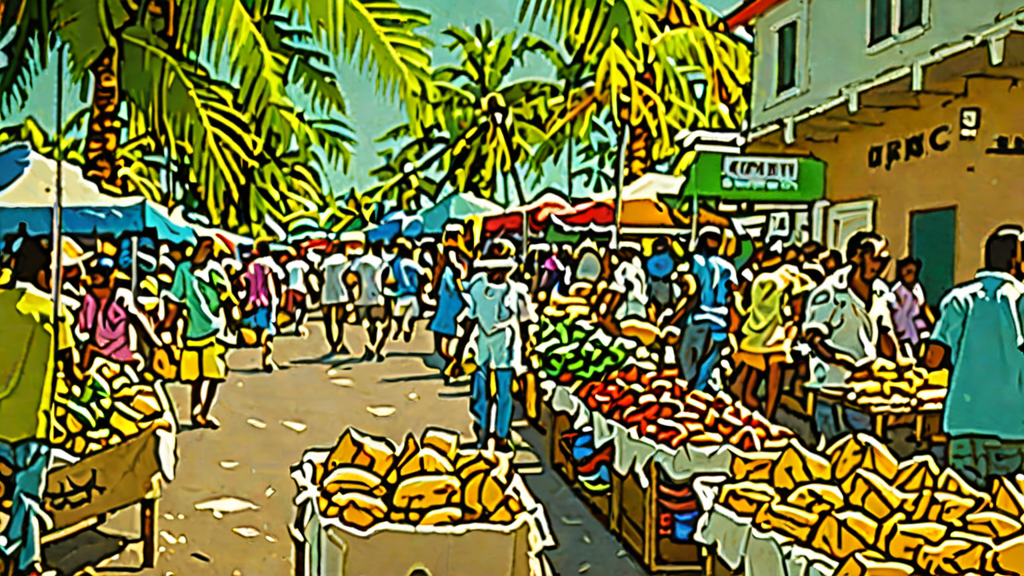
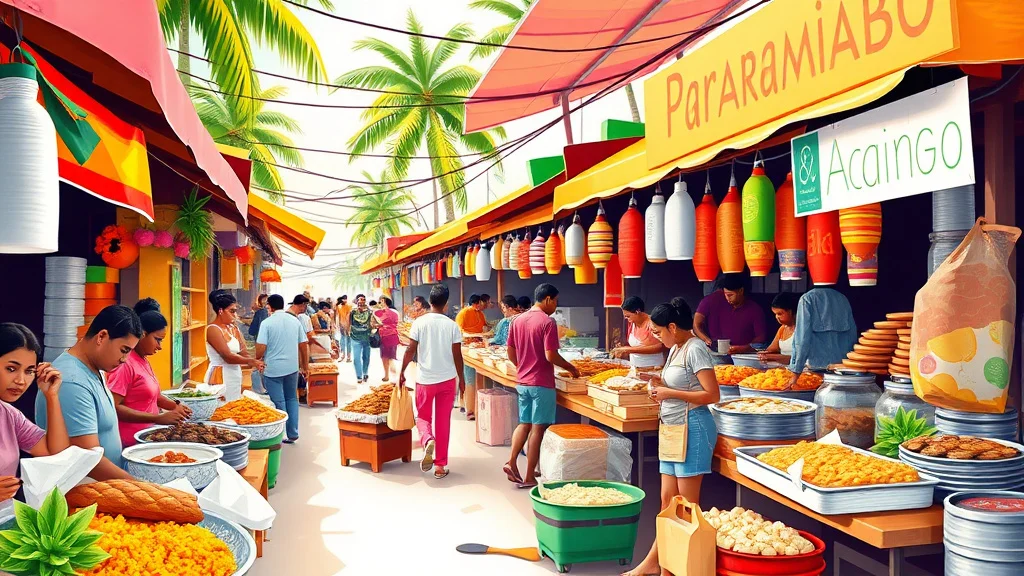
Surinamese street food is a reflection of the country's rich cultural history, influenced by Indigenous, African, Javanese, Hindustani, and Creole communities. This multiethnic blend creates a unique culinary experience that is both diverse and delicious. Street vendors across cities like Paramaribo serve up a variety of dishes that are not only affordable but also packed with flavor, making it an excellent choice for expatriates looking to explore local cuisine without breaking the bank.
Street food in Suriname typically includes hearty portions, with dishes often served alongside rice or bread. As of our last update, prices for street food can range from approximately 10 to 30 SRD (around 1 to 4 USD), depending on the dish and the vendor. It’s a great way to savor authentic flavors while engaging with the local community.
Iconic Surinamese Street Dishes
Nasi Goreng and Mie Goreng
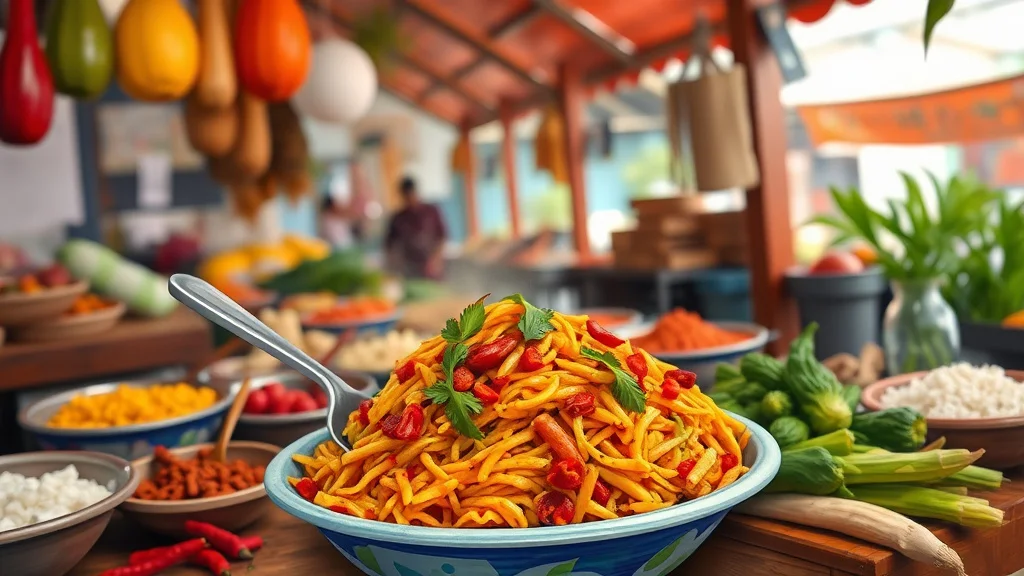
Two of the most popular street food items in Suriname are nasi goreng (fried rice) and mie goreng (fried noodles). Both dishes have roots in Javanese cuisine and were brought to Suriname by Indonesian contract workers. Nasi goreng is typically stir-fried rice with vegetables, meat, and a mix of spices, while mie goreng features the same concept but with noodles.
Vendors often offer these dishes with various toppings, such as fried eggs or grilled chicken, making them customizable to your taste. You can find nasi goreng and mie goreng at many local eateries and street food stalls in Paramaribo, typically priced between 15 to 25 SRD (approximately 2 to 3.50 USD). Don’t hesitate to ask for extra sambal (spicy sauce) for an added kick!
Roti and Saoto Soup
Roti is another staple in Surinamese street food, originating from Hindustani culture. This flatbread is often served with a variety of fillings, including chicken, potatoes, and vegetables. A popular combination is roti served with chicken curry, which is rich and aromatic. Expect to pay around 20 to 30 SRD (approximately 3 to 4 USD) for a generous serving.
Saoto soup, a Javanese chicken soup, is also a must-try. It features a flavorful broth that typically includes chicken, vegetables, and rice noodles. Vendors often serve it with a side of hard-boiled eggs and a sprinkle of fresh herbs. A bowl of saoto soup usually costs between 15 to 25 SRD (1 to 3.50 USD). It’s perfect for a warm day, providing comfort and nourishment.
Creole and Afro-Surinamese Specialties
Pom and Moksi Alesi
Pom is a dish with Portuguese-Jewish roots made from pomtajer (tayer/malanga root) and chicken, baked to perfection. This dish is often featured at local celebrations, but you can find it at street vendors during festivals or special events. The blend of flavors and textures makes it a hearty meal option.
Moksi alesi is a mixed rice dish that combines rice with various ingredients, such as meats, vegetables, and spices. It’s often served with fried plantains and is a beloved dish among locals. You can typically find both pom and moksi alesi at local markets or food festivals, with Pom costing around 25 to 35 SRD (about 3.50 to 5 USD) and moksi alesi priced similarly.
Bakkeljauw and Pinda Soep
Bakkeljauw, or salt cod, reflects the colonial influences on Surinamese cuisine. This dish is often prepared with onions, tomatoes, and spices, served alongside rice or bread. It is a flavorful option that many locals enjoy. You can find bakkeljauw at street food stalls or local restaurants, typically priced at around 20 to 30 SRD (2 to 4 USD).
Pinda soep, or peanut soup, is a comforting dish of West African origin. It’s rich, creamy, and often served with bread or rice. This soup is particularly popular among expatriates looking for a hearty meal. Expect to pay around 15 to 25 SRD (1 to 3.50 USD) for a bowl of this delicious soup.
Indigenous and Chinese Influences
Cassava Bread and Pepre Watra
Cassava bread is a traditional Indigenous dish made from the cassava root. This large, round bread is often served with various stews or as a side to many dishes. It’s a gluten-free option that pairs well with spicy or savory meals, typically costing around 10 to 15 SRD (1 to 2 USD).
Pepre watra is a spicy Amerindian fish soup that is known for its intense flavors. Made with fresh fish and a variety of spices, this soup is a culinary adventure for the palate. It's typically available at local markets or specialized food stalls, with prices around 20 to 30 SRD (2 to 4 USD).
Chinese-Surinamese Cuisine
Chinese-Surinamese cuisine blends traditional Chinese dishes with local flavors. Tjap tjoy, a stir-fried vegetable dish, is commonly found at food stalls. This dish typically features a mix of fresh vegetables and a protein of your choice, served over rice. Prices for tjap tjoy usually fall between 15 to 25 SRD (1 to 3.50 USD).
While it may not be as prominent as other cuisines, this fusion is worth trying, especially for those who enjoy Chinese flavors with a Surinamese twist.
Practical Tips for Expats
When exploring street food in Suriname, consider the following practical tips:
- Timing: Many street vendors operate in the evening, making dinner a prime time to sample local dishes. Lunchtime is also bustling, especially in areas near busy markets.
- Hygiene: Look for vendors with a steady stream of customers, as high turnover often indicates freshness. It’s also wise to observe the cleanliness of the stall.
- Language: While many vendors speak basic English, learning a few phrases in Dutch or Sranan Tongo can enhance your experience and help you connect with locals.
- Local Markets: Visit local markets for an authentic experience. Here, you can not only find street food but also fresh ingredients if you wish to try cooking some dishes at home.
Conclusion
Surinamese street food is a gateway to experiencing the country's rich cultural heritage. From the savory nasi goreng and roti to the comforting pinda soep and spicy pepre watra, there is something for everyone to enjoy. As an expatriate, venturing into the local food scene will not only satisfy your taste buds but will also provide an opportunity to engage with the vibrant community. Armed with this guide, you're ready to explore and savor the delicious offerings of Suriname!
AI-Generated Content: This article was created with AI assistance and may contain inaccuracies. Please verify important information with official sources.
Laatst bijgewerkt: juli 2026