Deze gids is samengesteld met de nieuwste wetgevingsgegevens en geverifieerd door onze redactie. Wetgeving kan veranderen; raadpleeg altijd officiële bronnen voor definitieve bevestiging.
Suriname's culinary scene is a vibrant reflection of its multicultural heritage, where diverse ethnic groups have come together to create a unique and flavorful cuisine. This guide will explore the various influences that shape Surinamese food, highlight must-try dishes, and provide practical tips for navigating the local food culture.
Ethnic Influences on Surinamese Cuisine
Suriname is home to a mosaic of cultures including Javanese, Hindustani, Creole, Chinese, and Indigenous peoples. Each group has contributed its own flavors, ingredients, and cooking techniques to the Surinamese culinary landscape. For expatriates and food enthusiasts, understanding these influences is essential to appreciating the food culture.
Javanese Influence
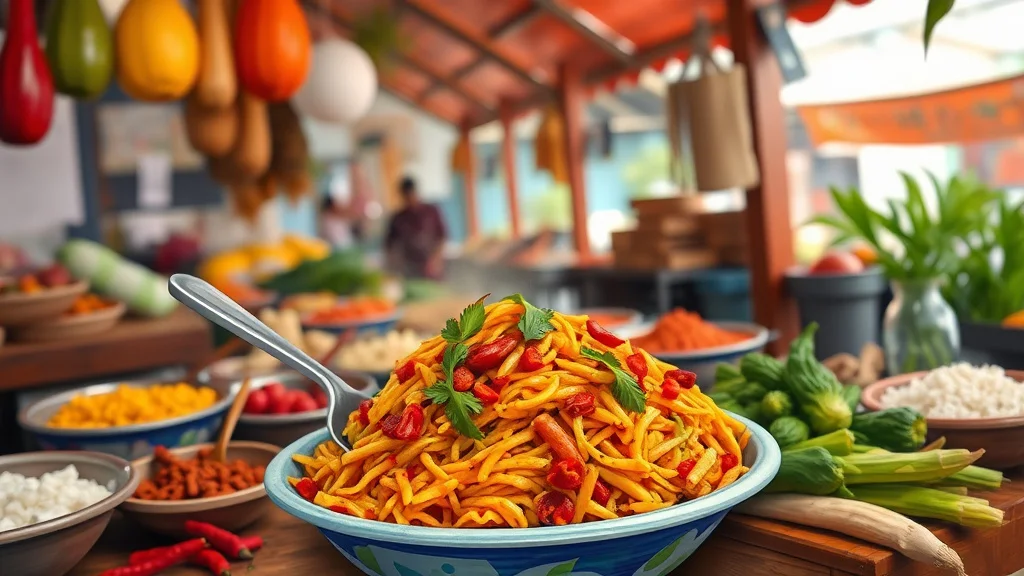
Javanese cuisine has significantly shaped Surinamese food, especially through the introduction of staple dishes like nasi goreng (fried rice) and mie goreng (fried noodles). These dishes are typically seasoned with a variety of spices, reflecting the rich flavors of Indonesia. You can find these dishes at several local restaurants in Paramaribo, where they are often served with fried chicken or assorted vegetables.
Another Javanese specialty is saoto soup, a fragrant chicken and vegetable soup garnished with boiled eggs and herbs. This dish is not only comforting but also represents the communal aspect of Javanese meals, often enjoyed with family and friends. Look for saoto soup at local eateries, where it is typically served with rice or rice noodles.
Hindustani Influence
The Hindustani (Indian-Surinamese) community has also left its mark on Surinamese cuisine. Roti, a popular flatbread, is often served with a variety of curries, such as curried chicken or potatoes. Roti can be found in many restaurants, and it’s recommended to pair it with the rich flavors of a chicken curry for an authentic experience.
Another dish worth trying is dahl, a spiced lentil stew that is both nutritious and flavorful. This dish is commonly found in Indian restaurants and is often accompanied by rice or roti, making it a filling meal. The Hindustani influence is evident in the use of spices like cumin and coriander, which are common in many Surinamese dishes.
Creole and Afro-Surinamese Flavors
The Creole population of Suriname has contributed to the local food scene with dishes that reflect their African roots and colonial history. Pom, a beloved Creole dish, is made with pomtajer (tayer/malanga root) and chicken, baked to perfection. This dish is often served during festive occasions and is a must-try for anyone looking to understand the local culinary traditions.
Creole Specialties
Another popular dish is bakkeljauw, which features salt cod prepared in various ways, often with vegetables or served alongside fried plantains. Bakkeljauw reflects the Dutch and Portuguese culinary influences, making it a unique part of Suriname’s food heritage.
Heri heri is an Afro-Surinamese dish that combines root vegetables, plantains, and salt fish, creating a hearty meal that showcases the use of local ingredients. You can find heri heri in some local restaurants, and it is a great example of how traditional African cooking techniques have been adapted to Surinamese ingredients.
Chinese Influence in Surinamese Cuisine
Suriname's Chinese community has also played a significant role in the culinary scene, introducing stir-fried dishes that have become local favorites. Chinese-Surinamese cuisine often includes dishes like tjap tjoy, a stir-fried vegetable medley, and various noodle dishes that are distinct from Javanese offerings. These dishes are typically characterized by their quick cooking methods and the use of fresh ingredients.
Where to Find Chinese-Surinamese Dishes
For those interested in exploring Chinese-Surinamese cuisine, many local restaurants in Paramaribo offer a fusion of traditional Chinese flavors with local ingredients. Be sure to try some of the unique stir-fry dishes that merge both culinary traditions, providing a delightful dining experience.
Indigenous Ingredients and Dishes
The Indigenous peoples of Suriname also contribute to the food culture, utilizing local ingredients such as cassava, plantains, and tropical fruits. Dishes like telo met bakkeljauw, which features fried cassava served with salt fish, showcase how Indigenous cooking influences the broader Surinamese cuisine.
Highlighting Local Ingredients
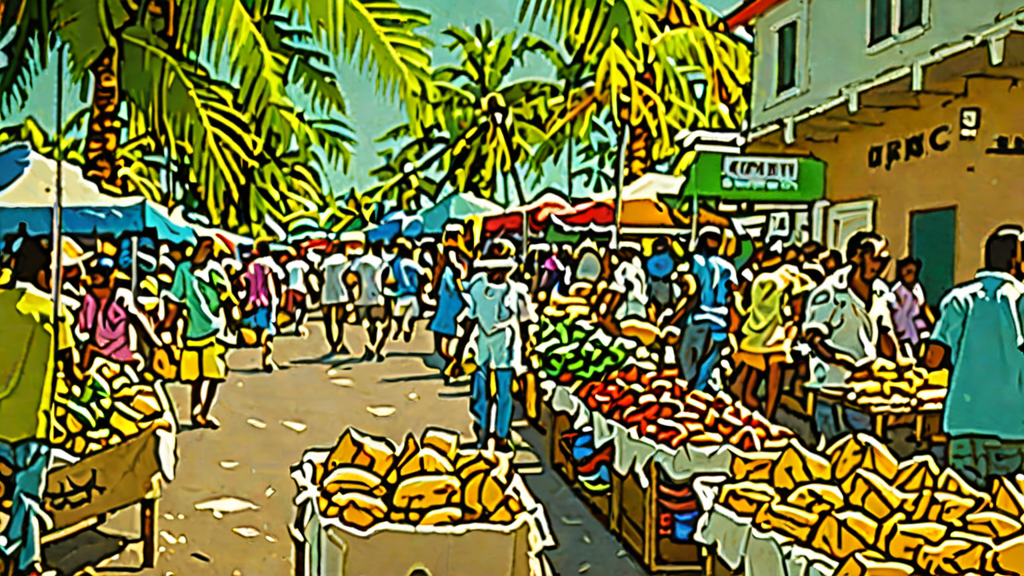
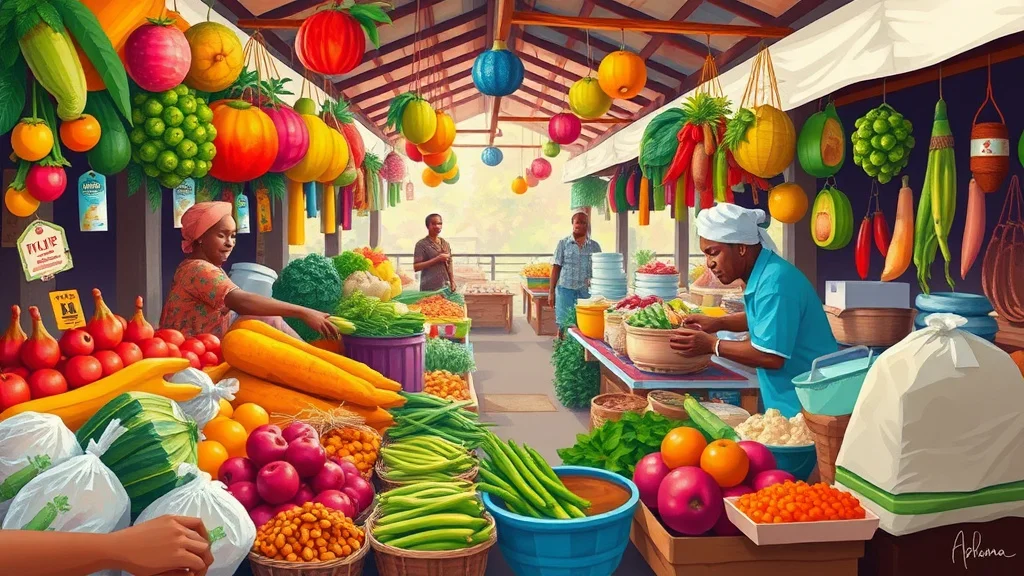
Many restaurants emphasize the use of fresh, local produce, which is abundant due to Suriname's fertile land. Be sure to explore local markets where you can find fresh vegetables, fruits, and spices that are integral to Surinamese cooking. This not only supports local farmers but also allows you to experience the freshest flavors the country has to offer.
Practical Tips for Expats
Navigating Surinamese food culture can be an exciting adventure. Here are some practical tips to help you enjoy the culinary diversity of Suriname:
- Explore Local Markets: Visit markets in Paramaribo to find fresh ingredients and local specialties. Look for stalls selling tropical fruits, vegetables, and spices to bring the flavors of Suriname into your own kitchen.
- Try Street Food: Don’t miss out on the street food scene, where you can sample small bites like phulauri (fried lentil balls) or bakbana (fried plantains). Street vendors are often the best places to experience authentic flavors at affordable prices.
- Join Local Food Tours: Consider joining a food tour to discover hidden culinary gems. These tours often include visits to local eateries and markets, providing insight into Surinamese food culture and its history.
- Learn About Ingredients: Familiarize yourself with local ingredients, such as Madame Jeanette peppers, which add heat to many dishes. Understanding what ingredients are commonly used will enhance your cooking and dining experiences.
Conclusion
Surinamese food culture is a vibrant tapestry woven from the diverse threads of its people. With influences from Javanese, Hindustani, Creole, Chinese, and Indigenous cuisines, there is a wide array of dishes to explore. By understanding the origins of these dishes and where to find them, expatriates can fully immerse themselves in the rich culinary heritage of Suriname. Don’t hesitate to try new flavors and engage with the local food community—each meal is a story waiting to be told.
AI-Generated Content: This article was created with AI assistance and may contain inaccuracies. Please verify important information with official sources.
Laatst bijgewerkt: juli 2026