Deze gids is samengesteld met de nieuwste wetgevingsgegevens en geverifieerd door onze redactie. Wetgeving kan veranderen; raadpleeg altijd officiële bronnen voor definitieve bevestiging.
Suriname is a hidden gem in South America, characterized by its rich cultural tapestry woven from various ethnic backgrounds. This guide offers expatriates a closer look at Surinamese culture, including significant holidays, social customs, and practical advice to help you integrate smoothly into this multicultural society.
Understanding Suriname's Cultural Landscape
Suriname, the smallest sovereign country in South America, is home to a population of approximately 600,000, predominantly living in the coastal city of Paramaribo. The nation’s history as a former Dutch colony has shaped its diverse society, which includes various ethnic groups: Hindustani (around 27%), Maroon (22%), Creole (16%), Javanese (14%), and Indigenous peoples (approximately 4%), among others. This diversity influences everything from cuisine to festivals, creating a captivating cultural environment.
One notable aspect of Surinamese culture is the coexistence of multiple religions and beliefs. The population includes Christians, Muslims, Hindus, and adherents of Indigenous and Afro-Surinamese spiritual practices. This blend fosters tolerance and understanding, reflected in the vibrant celebrations held throughout the year. As an expat, embracing this diversity enhances your experience and helps build meaningful connections with locals.
Major Festivals and Celebrations
Keti Koti: A Day of Freedom
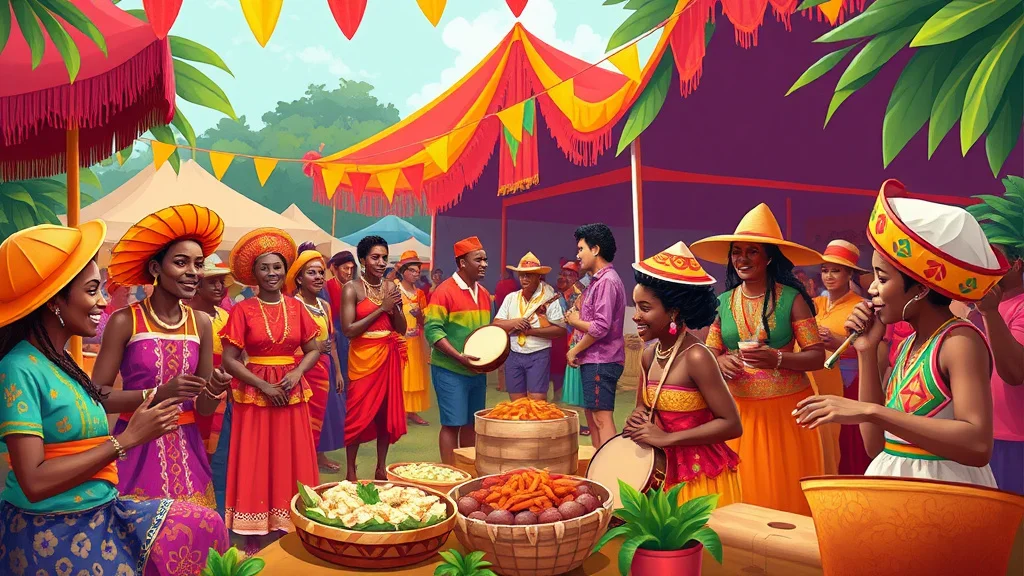
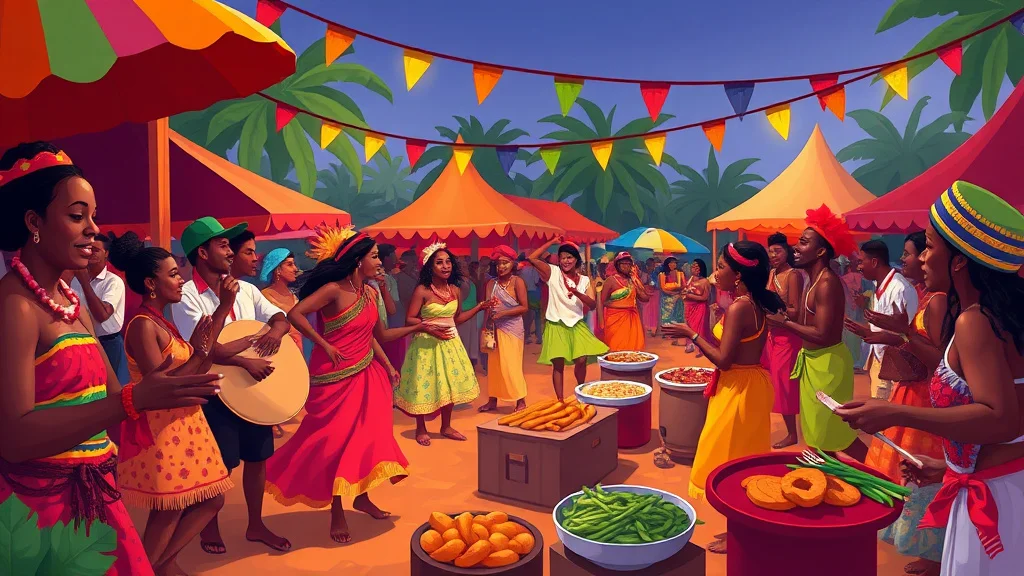
Keti Koti, celebrated on July 1, commemorates the abolition of slavery in Suriname in 1863. This is the most significant national holiday and a poignant reminder of the country's past. The day is marked by various events across the country, including parades, speeches, and cultural performances that highlight Suriname's heritage. Expect lively gatherings featuring traditional music, dance, and food, where you can immerse yourself in the local culture.
Phagwa and Diwali: Celebrations of Light
Phagwa, or Holi, is celebrated by the Hindustani community, usually in March. This vibrant festival signifies the arrival of spring and involves throwing colored powders and water at one another, symbolizing joy and the triumph of good over evil. As an expat, participating in Phagwa is a colorful way to connect with the local community and enjoy a day filled with laughter and joy.
Diwali, or Divali, is another important festival celebrated by Hindustani Surinamese, typically occurring in October or November. This Festival of Lights involves lighting oil lamps, decorating homes, and sharing sweets with family and friends. Joining in these celebrations offers insight into the rich cultural traditions of the Hindustani community and the warmth of Surinamese hospitality.
Eid al-Fitr and Eid al-Adha: Celebrations of Faith
Suriname’s Muslim community also celebrates Eid al-Fitr and Eid al-Adha with great fervor. Eid al-Fitr marks the end of Ramadan and is celebrated with communal prayers, feasting, and giving to charity. Eid al-Adha, known as the "Festival of Sacrifice," involves the ritual sacrifice of an animal and sharing the meat with family and the less fortunate. These events provide an opportunity for expats to experience the deep-rooted traditions of the Javanese-Muslim community and foster connections with local families.
Everyday Etiquette and Social Norms
Understanding local customs is vital for smooth integration into Surinamese society. Surinamese people are generally warm and welcoming, but certain social norms should be observed to avoid misunderstandings. For example, when meeting someone for the first time, a firm handshake accompanied by direct eye contact is customary. It is common for both men and women to greet each other this way, so be mindful of cultural sensitivities.
Additionally, it is important to be aware that Surinamese people tend to have a relaxed approach to time. Punctuality is appreciated but not strictly enforced, so expect some flexibility in timelines. If you have a meeting or event to attend, arriving a bit late is generally acceptable. This relaxed attitude extends to social gatherings as well, where parties may start late and continue into the early hours of the morning.
Language: A Gateway to Connection
The official language of Suriname is Dutch, but Sranan Tongo serves as the lingua franca, widely spoken among different ethnic groups. Learning a few basic phrases in Sranan Tongo can significantly enhance your interactions and show your appreciation for local culture. Most locals are multilingual, often speaking Dutch, Sranan Tongo, and their native languages, making it easier for expats to communicate, especially in urban areas.
What Expats Should Know
Practical Tips for Embracing Surinamese Culture
- Participate in Community Events: Engage with local festivals and community activities to build relationships and gain a deeper understanding of Surinamese culture.
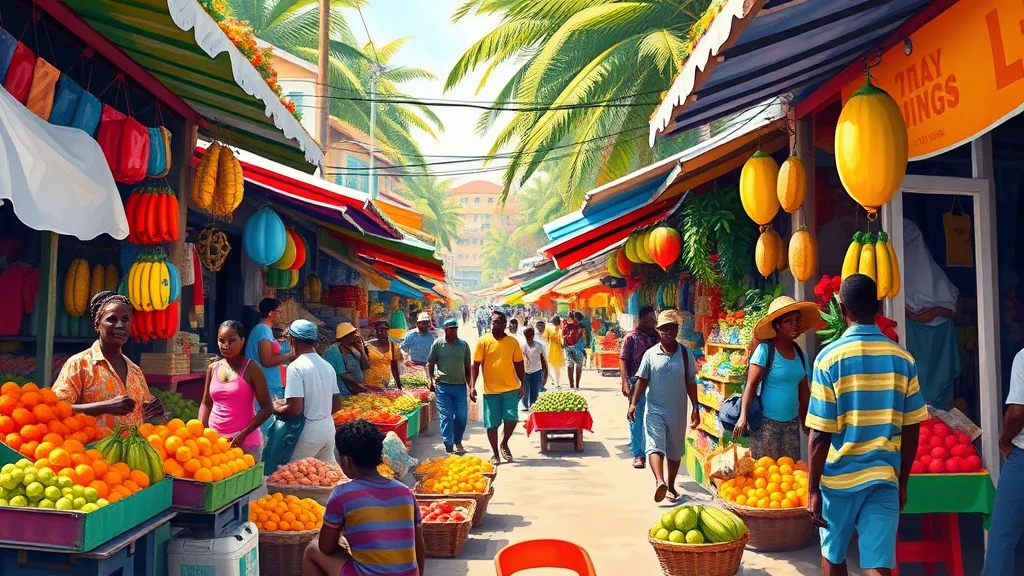
- Explore Local Cuisine: Try various traditional dishes, such as roti, pom, and saoto soup. Exploring local markets and food stalls is a great way to experience the culinary diversity of Suriname.
- Be Open and Patient: Approach interactions with an open mind and patience. Surinamese people value genuine curiosity and respect for their culture.
- Learn Sranan Tongo: Familiarize yourself with basic phrases to foster connections and demonstrate respect for the local language.
Understanding Local Life
Life in Suriname operates at a slower pace compared to Western standards. It is common for families to gather for meals, often sharing dishes with guests. This communal aspect of dining is an integral part of Surinamese culture, and as an expat, you may find yourself invited to share a meal with local families. Accepting these invitations can lead to meaningful friendships and insights into daily life in Suriname.
Additionally, while the cost of living is generally lower compared to Western Europe or North America, this can vary depending on your lifestyle choices and where you shop. Expect a mix of local markets for fresh produce and larger supermarkets for imported goods. Being adaptable and open to local shopping practices will enhance your experience.
Conclusion
Suriname’s rich cultural diversity offers a unique experience for expatriates. By participating in local festivals, adhering to social customs, and learning the language, you can immerse yourself in the vibrant tapestry that defines Surinamese life. Embracing this culture will not only enhance your day-to-day interactions but also help you build lasting relationships within the community. As you navigate your expat journey, remember that patience and an open heart are your best allies in discovering the wonders of Suriname.
AI-Generated Content: This article was created with AI assistance and may contain inaccuracies. Please verify important information with official sources.
Laatst bijgewerkt: juli 2026