Deze gids is samengesteld met de nieuwste wetgevingsgegevens en geverifieerd door onze redactie. Wetgeving kan veranderen; raadpleeg altijd officiële bronnen voor definitieve bevestiging.
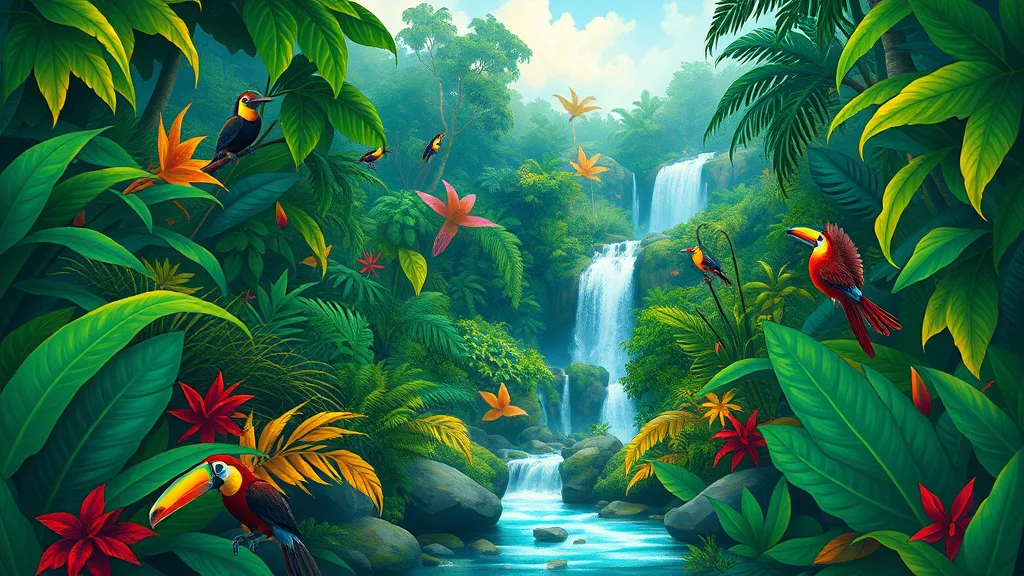
Suriname's interior offers a breathtaking wilderness of tropical rainforests, pristine rivers, and diverse wildlife, making it an enticing destination for expatriates seeking adventure beyond the urban landscape of Paramaribo. This guide provides practical insights into exploring Suriname’s interior, focusing on accessibility, unique attractions, and essential travel tips.
Getting to the Interior
Transport Options
Traveling to Suriname's interior typically requires a combination of road and river transport. The main access point is Paramaribo, where travelers often begin their journey. From the capital, several local companies provide bus services to various interior locations, such as the town of Albina, which is approximately 210 km east of Paramaribo and takes about 4-5 hours by road. Alternatively, boat services operate on the waterways leading to remote villages and forest lodges.
For a more immersive experience, consider taking a guided tour. Many tour operators offer package deals that include transportation, accommodation, and guided excursions into the rainforest. This option is particularly valuable for expats unfamiliar with the routes and local customs.
Flight Options
For those looking to reach more distant locations, internal flights are available. The national airline operates flights to various interior airstrips, significantly reducing travel time. For instance, a flight from Paramaribo to the village of Kwamalasumutu takes about 45 minutes, providing swift access to the stunning Tumuc-Humac mountain range.
Top Destinations in Suriname’s Interior
Brown and Black Water Rivers
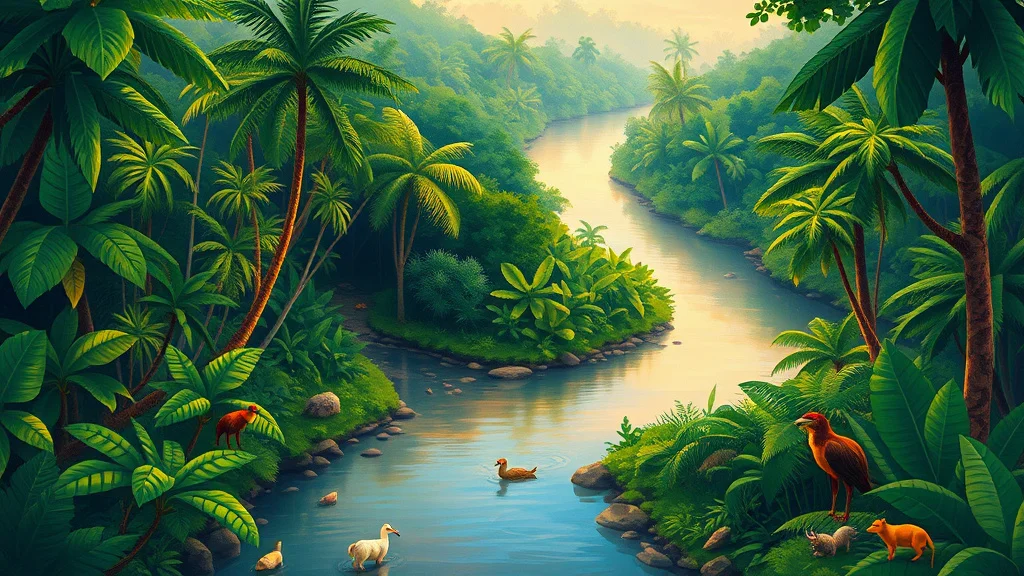
Suriname is home to a unique ecosystem that features both brown and black water rivers. The black waters, which are highly acidic and nutrient-poor, create an environment that supports a distinct array of wildlife. The Sipaliwini River and the Tapanahony River are perfect for canoeing and fishing, offering opportunities to see exotic birds, monkeys, and even caimans. Many expats enjoy guided canoe trips that not only provide a chance to experience the serene beauty of these rivers but also educate travelers about the local ecology.
Local guides are invaluable for navigating these waterways safely. They can provide insights into the best fishing spots, birdwatching opportunities, and the cultural significance of the rivers to the indigenous people.
Jungle Lodges and Eco-Tourism
Eco-tourism is thriving in Suriname's interior, with numerous lodges providing comfortable accommodations amidst the jungle. These lodges, often run by local families or cooperatives, offer a range of activities such as guided nature walks, cultural workshops, and wildlife spotting tours. For example, the Atta Rainforest Lodge near the Brownsberg Nature Park is highly recommended for its accessibility and diverse offerings, including canopy tours that allow visitors to explore the treetops.
Staying at these lodges not only supports the local economy but also enables expats to immerse themselves in the rich cultural heritage of Suriname. Many lodges incorporate traditional meals into their offerings, allowing guests to taste local ingredients and dishes.
Climate Considerations
Best Time to Visit
Suriname’s tropical climate means it enjoys warm temperatures year-round, typically ranging from 27°C to 32°C (80°F to 90°F). However, the rainy season from April to August and November to February can create challenges for outdoor activities. The dry season, particularly from August to November, is generally the best time for interior travel, ensuring easier access to remote areas and reducing the likelihood of flooding.
Travelers should pack accordingly, including lightweight clothing, waterproof gear, and insect repellent to protect against mosquitoes. Staying hydrated and taking breaks during hikes in the heat is essential for comfort and safety.
Health and Safety Tips
Health precautions are crucial when traveling in Suriname's interior. While malaria is not prevalent, other mosquito-borne diseases like Dengue and Chikungunya are risks. It’s advisable for expats to consult with a healthcare provider before their trip to discuss vaccinations and preventive measures. Carrying a basic first aid kit is also recommended, along with any necessary medications.
In terms of safety, traveling in groups is advisable, especially in remote areas. Familiarizing yourself with local customs and ensuring your guide is knowledgeable about the region can enhance safety during excursions. Always inform someone of your travel itinerary when venturing into the jungle.
What Expats Should Know
Local Customs and Etiquette
Suriname is home to a rich tapestry of cultures, including indigenous communities, Creoles, Javanese, and Hindostani people. Respect for local traditions and customs is vital when interacting with residents. Engaging with locals, learning a few phrases in Sranan Tongo or Dutch, and participating in community events can create memorable experiences and foster goodwill.
It’s also important to be mindful of photography; always ask permission before taking pictures of people or culturally significant sites. This respect fosters positive relationships between expats and the local population.
Practical Tips for Expats
- Plan your itinerary carefully, allowing flexibility for unexpected weather changes.
- Invest in good quality insect repellent and sunscreen to protect against the elements.
- Consider learning basic phrases in the local languages to enhance communication.
- Keep cash on hand, as many remote areas may not accept credit or debit cards.
In conclusion, Suriname's interior offers a captivating blend of natural beauty and cultural richness, perfect for expats looking to explore off the beaten path. With careful planning and an open mind, you can enjoy a rewarding experience in this lush tropical paradise.
AI-Generated Content: This article was created with AI assistance and may contain inaccuracies. Please verify important information with official sources.
Laatst bijgewerkt: juli 2026