Deze gids is samengesteld met de nieuwste wetgevingsgegevens en geverifieerd door onze redactie. Wetgeving kan veranderen; raadpleeg altijd officiële bronnen voor definitieve bevestiging.
Suriname Independence Day, observed on November 25 each year, marks a significant moment in the nation's history, celebrating its sovereignty and rich cultural heritage. This article delves into the various traditions associated with this important day, providing expats and visitors with practical insights on how to engage with local customs and celebrations.
The Historical Significance of Independence Day
Suriname gained independence from the Netherlands on November 25, 1975, following a lengthy struggle for self-governance. This day not only commemorates the end of colonial rule but also acknowledges the diverse cultural tapestry that defines Surinamese society. The celebration is a reflection of the country's journey toward independence, marked by the resilience of its people and their commitment to unity amidst diversity.
Suriname is home to various ethnic groups, including Hindustani, Maroon, Creole, Javanese, and Indigenous communities, each contributing to the nation's rich cultural landscape. As of our last update, the population's diversity is celebrated as a source of strength, and Independence Day serves as a platform to highlight this harmony.
Traditional Celebrations and Customs
Parades and Cultural Events
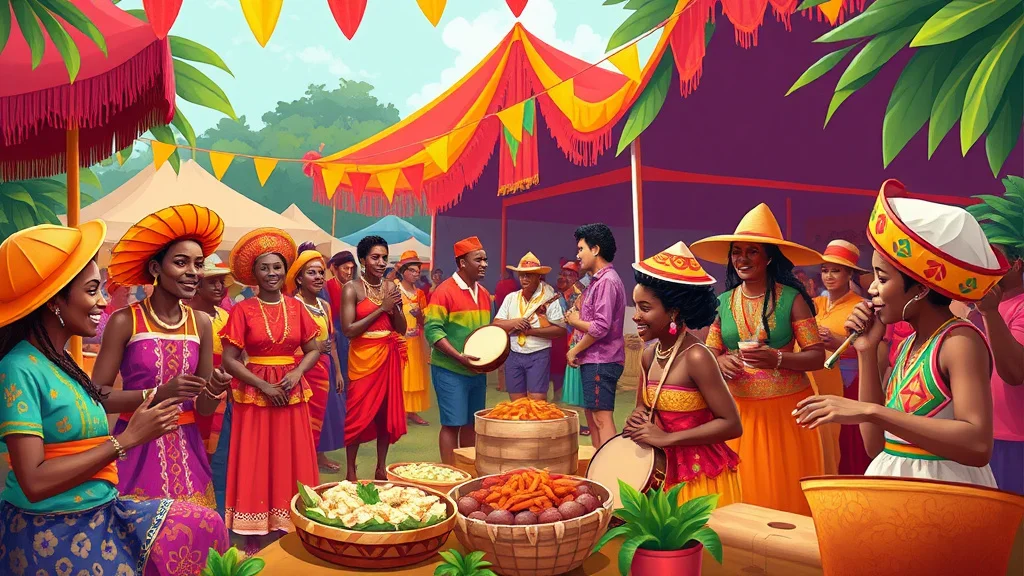
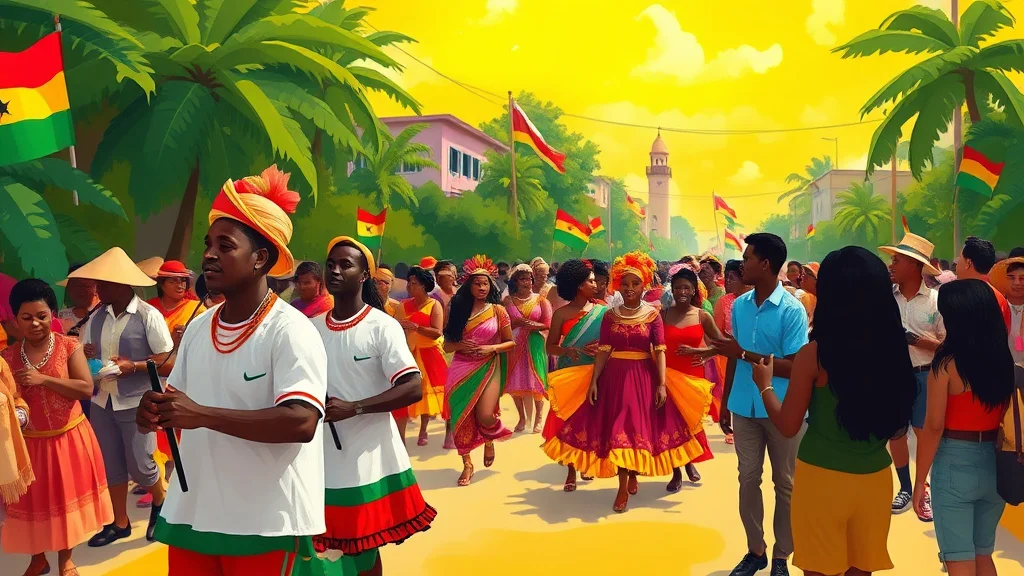
Independence Day is marked by vibrant parades throughout Suriname, particularly in the capital, Paramaribo. These parades typically feature colorful floats, traditional music, and dance performances that showcase the country's cultural diversity. Participants often dress in traditional attire, representing various ethnic backgrounds, which adds to the festive atmosphere. Community organizations and schools frequently participate, fostering a sense of pride and belonging among locals.
In addition to parades, cultural events such as music festivals and art exhibitions are organized, allowing attendees to explore Suriname's artistic heritage. Local venues and cultural centers often host performances that include traditional drumming, dance, and storytelling, creating an immersive experience for both locals and visitors.
Traditional Cuisine
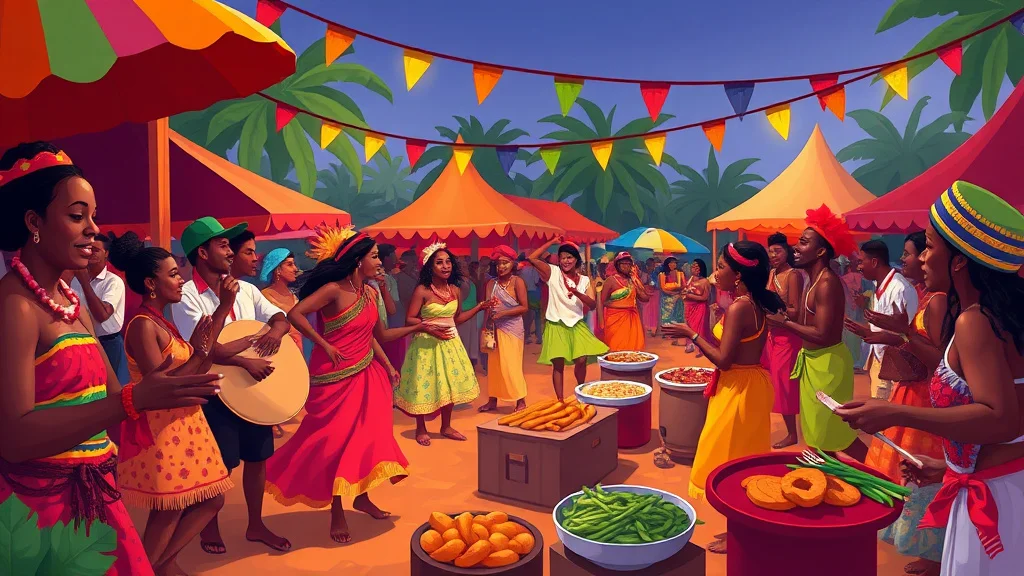
Food plays a vital role in Independence Day celebrations, with local restaurants and families preparing traditional Surinamese dishes. Typical foods may include Pom (a savory chicken and cassava dish), Moksi Alesi (mixed rice), and Roti with various curries. The day is an excellent opportunity for expats to taste authentic Surinamese flavors and engage with local culinary traditions. Many families invite friends and neighbors to share meals, emphasizing community and togetherness.
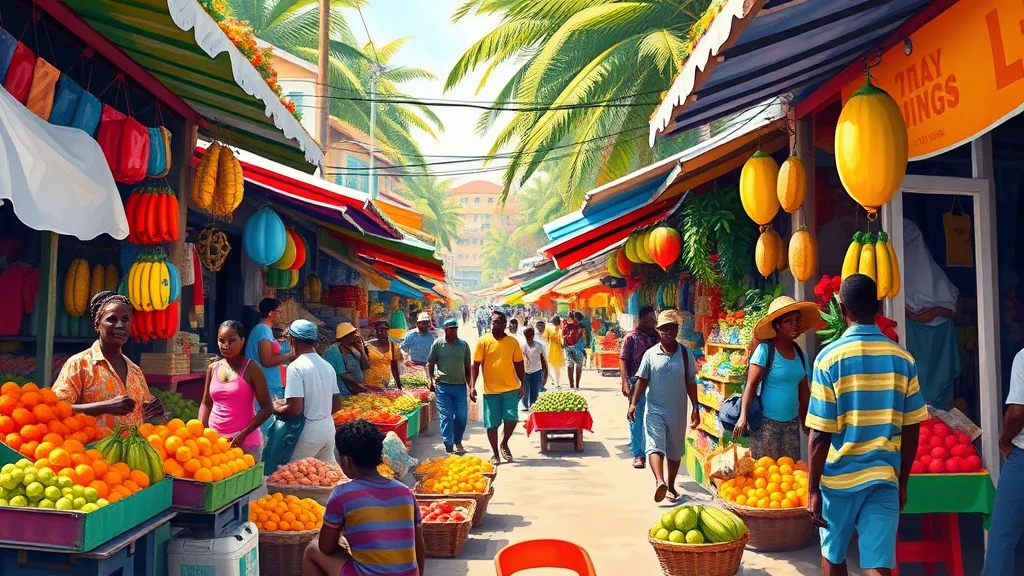
For those new to Suriname, exploring local markets can provide a firsthand experience of the ingredients used in traditional dishes. This connection to food can serve as a bridge to understanding cultural practices and fostering relationships with locals.
Community Engagement and Reflection
Educational Activities
Independence Day is also a time for reflection on Suriname's journey and future. Educational programs are often held in schools and community centers, focusing on the historical significance of independence and the importance of cultural preservation. Workshops may include discussions on Suriname's history, art, and traditions, encouraging the younger generation to appreciate their heritage.
Local libraries and cultural institutions typically organize exhibitions that highlight Suriname's history and achievements since independence, providing a platform for dialogue on national identity and unity. Expats are encouraged to participate in these events to gain a deeper understanding of the country and its people.
Solidarity and Community Spirit
The spirit of Independence Day is rooted in community solidarity. Many locals take part in volunteer activities, such as cleaning public spaces or assisting in community events. This practice emphasizes the importance of giving back and fostering a sense of belonging. Expats can join these initiatives, which not only contribute to the community but also enhance their integration into Surinamese society.
Moreover, as of our last update, various organizations and cultural groups host dialogues and discussions aimed at promoting inclusivity and understanding among the diverse ethnic groups in Suriname. Engaging in these conversations can provide valuable insights into the complexities of Surinamese identity and the ongoing journey toward unity.
Practical Tips for Expats on Independence Day
Participating in Celebrations
For expats looking to join in the Independence Day festivities, consider attending the parades and cultural events in Paramaribo. Arriving early ensures a good spot to enjoy the vibrant performances and interactions with locals. Dressing in the national colors or traditional attire can be a wonderful way to show solidarity and appreciation for Surinamese culture.
Engaging with local communities can enhance your experience. Strike up conversations with locals, ask questions about traditions, and express your interest in learning more about their culture. Many locals appreciate the curiosity and openness of expats, fostering a welcoming environment.
Supporting Local Businesses
Independence Day is an excellent opportunity to support local businesses, particularly restaurants and markets offering traditional dishes. Many establishments may have special menus or promotions to celebrate the occasion, making it a perfect time to explore Surinamese cuisine. Supporting local artisans and cultural events also helps keep the rich traditions alive and strengthens the community.
Conclusion
Suriname Independence Day is a vibrant celebration of the nation’s identity, resilience, and cultural diversity. By participating in the various traditions and events, expats can gain a deeper appreciation for Suriname’s unique heritage. Embracing local customs, engaging with the community, and supporting local businesses will not only enhance your experience but also foster connections with the rich tapestry of Surinamese society.
AI-Generated Content: This article was created with AI assistance and may contain inaccuracies. Please verify important information with official sources.
Laatst bijgewerkt: juli 2026