
Deze gids is samengesteld met de nieuwste wetgevingsgegevens en geverifieerd door onze redactie. Wetgeving kan veranderen; raadpleeg altijd officiële bronnen voor definitieve bevestiging.
Relocating to Suriname as an American expat can be an exciting adventure filled with new experiences and opportunities. This guide provides a comprehensive overview of the immigration process, including visa types, eligibility criteria, required documents, and practical tips to help you navigate your move smoothly.
Understanding Visa Types for American Expats
American citizens looking to move to Suriname typically need to apply for a visa before their arrival. The most common visa types include the Tourist Visa, Work Visa, and Residency Visa. Each visa type has specific eligibility criteria and documentation requirements.
Tourist Visa
The Tourist Visa is suitable for Americans who plan to visit Suriname for leisure or short-term stays. Typically, this visa allows for a stay of up to 90 days. To apply, you will need:
- A valid passport with at least six months of validity remaining.
- A completed visa application form.
- Proof of accommodation in Suriname.
- Return flight ticket.
- Proof of sufficient funds for your stay.
Processing times for a Tourist Visa can vary, but it typically takes around 5-10 business days. Fees can range from approximately 50 to 100 USD, depending on the duration of your stay.
Work Visa
For Americans seeking employment in Suriname, a Work Visa is necessary. This visa is generally issued for specific job positions and requires sponsorship from a Surinamese employer. The application process involves several steps:
- Your employer must submit a request for a work permit to the Ministry of Labor in Suriname.
- Once approved, you can apply for the Work Visa at the nearest Surinamese embassy or consulate.
- Documents required include a valid passport, a completed application form, a job offer letter, and proof of qualifications.
Processing times for a Work Visa can take several weeks, so it's advisable to start the process as early as possible. Fees for a Work Visa can vary, typically ranging from 100 to 200 USD.
Residency Visa for Long-Term Stay
If you plan to reside in Suriname for an extended period, you may consider applying for a Residency Visa. This visa is generally available for individuals who have lived in Suriname for a certain period or have family ties in the country. The application process includes:
- Proof of continuous residence in Suriname for at least one year.
- A valid passport and completed application form.
- Documentation proving your financial stability.
- Health insurance coverage.
Processing times for a Residency Visa can be lengthy, potentially taking several months. Fees typically range from 200 to 400 USD, depending on the specifics of your application.
Step-by-Step Application Process
Regardless of the visa type, the application process generally follows these steps:
- Determine the appropriate visa type based on your purpose of stay.
- Gather all required documentation as outlined for your specific visa type.
- Submit your application to the relevant Surinamese authority or embassy.
- Pay the applicable visa fees.
- Await processing and approval of your visa application.
It is advisable to keep copies of all submitted documents and receipts for your records. Additionally, consider checking the official Surinamese government website or contacting the nearest embassy for the most current information on visa requirements and processes.
Common Reasons for Visa Rejection
Visa applications can be rejected for various reasons. Common pitfalls include:
- Incomplete or inaccurate application forms.
- Insufficient financial proof to support your stay.
- Failure to provide required documentation.
- Criminal history that may affect eligibility.
To avoid rejection, ensure that all forms are filled out accurately, and double-check that you have included all necessary documents. If you have a criminal record, consult with the embassy to understand how it may impact your application.
Differences in Immigration Policies by Nationality
It's important to note that immigration policies in Suriname can differ significantly based on nationality. For instance, Dutch citizens may have different requirements compared to American citizens. Typically, Dutch nationals can enter Suriname without a visa for short stays, while Americans must secure a visa prior to arrival. Always verify specific requirements based on your nationality before applying.
Contact Information for Relevant Authorities
For further assistance, American expats can reach out to the following resources:
- U.S. Embassy in Suriname: Located in Paramaribo, the embassy can provide support and guidance for American citizens living in or relocating to Suriname.
- Ministry of Foreign Affairs of Suriname: This government body oversees immigration policies and can provide official information regarding visa applications.
Practical Tips for American Expats in Suriname
As you prepare for your move to Suriname, consider the following insider tips:
- Join expat communities and forums to connect with fellow Americans. This can provide valuable insights and support during your transition.
- Familiarize yourself with local customs and cultural practices to ease your integration into Surinamese society.
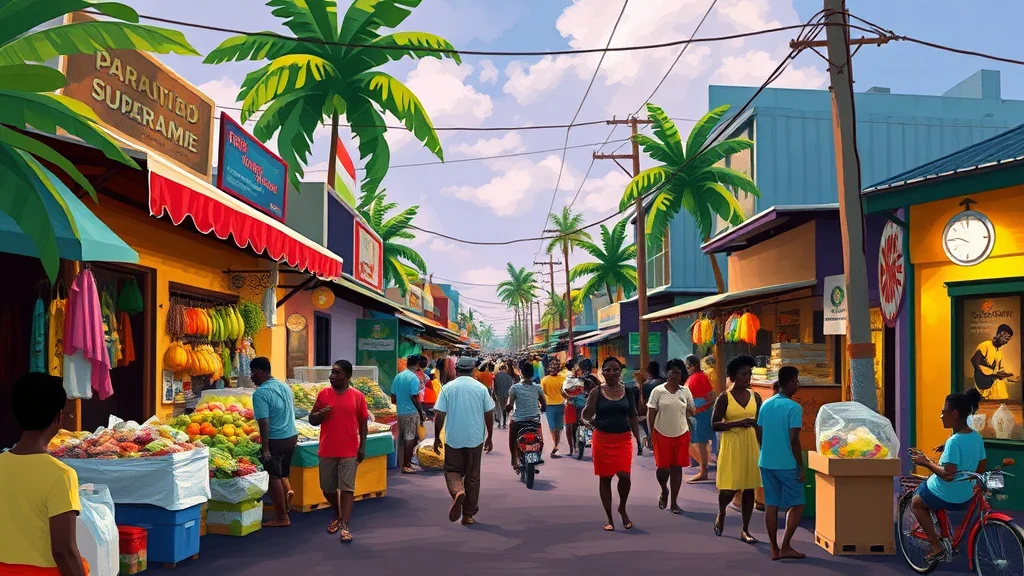
- Explore local markets and neighborhoods to get a feel for daily life in Suriname. This will help you acclimate and find essential services.
- Consider learning some basic Dutch or Sranan Tongo, as these languages are commonly spoken in Suriname and can enhance your experience.
In conclusion, relocating to Suriname as an American expat involves understanding the various visa types, application processes, and potential challenges. By gathering the necessary documentation and being aware of common pitfalls, you can navigate the immigration process more effectively. Engaging with local communities and familiarizing yourself with the culture will further enrich your experience in this vibrant South American country.
AI-Generated Content: This article was created with AI assistance and may contain inaccuracies. Please verify important information with official sources.
Laatst bijgewerkt: juni 2026