Deze gids is samengesteld met de nieuwste wetgevingsgegevens en geverifieerd door onze redactie. Wetgeving kan veranderen; raadpleeg altijd officiële bronnen voor definitieve bevestiging.
The historical center of Paramaribo is a treasure trove of colonial architecture and cultural heritage, representing a unique blend of influences from Europe, indigenous communities, and African cultures. This guide will explore the key sites within this UNESCO World Heritage Site, offering insights into its history, architecture, and practical advice for expatriates and visitors alike.
Exploring the Architectural Wonders
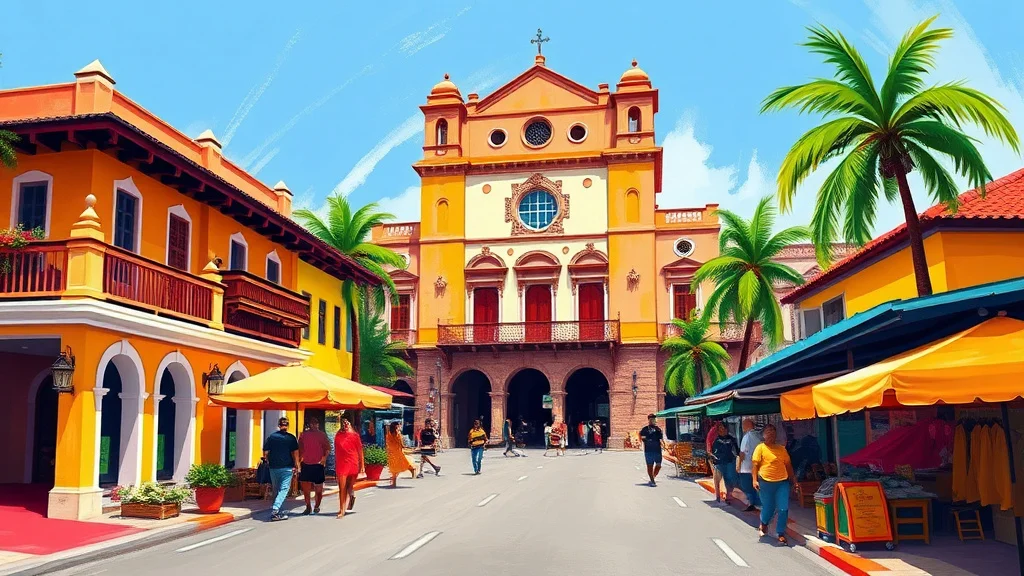
Paramaribo's historical center is renowned for its collection of wooden colonial buildings, many of which date back to the 17th and 18th centuries. Notable structures include:
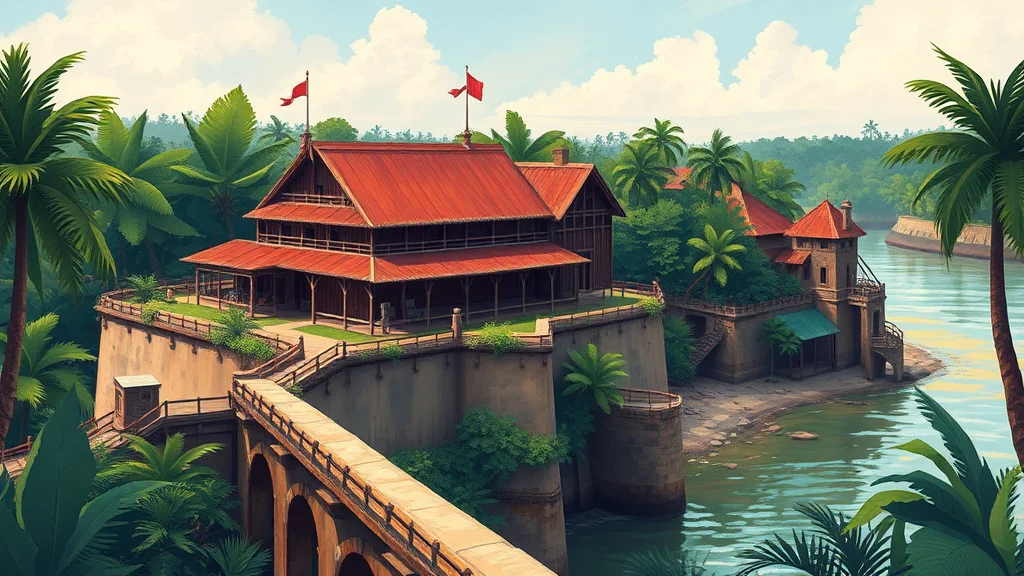
- Fort Zeelandia: Built in 1667, this fort is a cornerstone of Surinamese history. Originally constructed to defend against attacks, it now houses a museum detailing the history of Suriname. Visitors can explore its cannons and enjoy views of the Suriname River. Guided tours typically last about an hour, and it's advisable to check the museum's schedule for any special exhibitions.
- Presidential Palace: This impressive building, completed in 1730, showcases a blend of stone and wooden architecture. Although it's not open to the public, its facade is a favorite among photographers. The surrounding gardens are an excellent spot for a leisurely walk.
- Saint Peter and Paul Cathedral: Completed in 1885, this Gothic Revival structure is the largest wooden cathedral in South America. It features stunning stained glass windows and a striking wooden interior. Mass is held regularly, and visitors are welcome to attend, providing a glimpse into local religious practices.
Other notable buildings include the Ministry of Finance, showcasing classical architecture, and the Reformed Church, built in Neoclassical style. Walking tours of the historical center are highly recommended, as they provide context and stories behind these architectural marvels.
Understanding the Historical Context
The history of Paramaribo is deeply intertwined with its colonial past. Initially founded by the Dutch in 1667, the city grew as a center for sugar plantations, which relied heavily on enslaved labor. This complex history is reflected in the multicultural makeup of the city today. The blend of Dutch colonial influence, indigenous practices, and African traditions creates a rich tapestry of cultural identity.
As you explore the historical center, consider visiting the Surinamese Museum. It offers insights into the ethnographic history of Suriname, including the lives of the indigenous peoples, enslaved Africans, and the impact of colonial rule. This museum is a valuable resource for expatriates looking to understand the socio-cultural dynamics of their new home.
Navigating the Historical Center
Getting around Paramaribo's historical center is relatively easy, as most attractions are within walking distance of each other. The city is laid out in a grid pattern, making navigation straightforward. For those who prefer not to walk, taxis and ride-sharing services are available, though it's wise to confirm the fare beforehand. Public transport options, such as buses, are also accessible but may require some familiarity with local routes.
Plan your visit during the dry season, which typically runs from February to April and August to November. Rainy season can make walking on unpaved streets challenging, and some outdoor attractions may be less enjoyable. The average temperatures range from 27°C to 32°C (80°F to 90°F), so dress in light, breathable clothing and stay hydrated.
Local Markets and Cuisine
The historical center is also home to several local markets where expats can immerse themselves in Surinamese culture. The Central Market is a vibrant hub where you can find fresh produce, spices, and traditional crafts. Exploring this market is a sensory experience, with colorful displays and the aroma of local delicacies filling the air. Don't hesitate to sample local snacks or fresh fruit from vendors.
Food is a significant part of Surinamese culture, influenced by its diverse population. While in the historical center, try local dishes such as roti, a flatbread served with curried vegetables or meats, and pom, a savory casserole made with chicken and root vegetables. Several local restaurants offer comfortable dining experiences where you can enjoy these traditional meals. Always check for places with good hygiene practices, especially if you're unfamiliar with the local cuisine.
Safety and Cultural Considerations
While Paramaribo is generally considered safe for expatriates and tourists, it is wise to remain vigilant, especially in crowded areas. Petty crime can occur, so avoid displaying valuables and be cautious when using your smartphone or camera in public. Walking in groups is advisable, particularly at night.
Cultural sensitivity is essential when interacting with locals. Surinamese people are known for their friendliness; however, being respectful of local customs and traditions is crucial. Familiarize yourself with basic greetings in Dutch or Sranan Tongo, the local lingua franca, as this can go a long way in building rapport. Participating in local festivals, often held in the historical center, can also provide insights into the country’s rich cultural traditions and foster connections with the community.
What Expats Should Know
When moving to Paramaribo, understanding the local infrastructure can help ease your transition. Reliable internet access is available in much of the city, making it conducive for digital nomads and remote workers. Numerous cafés and co-working spaces throughout the historical center provide a comfortable environment for work or casual meetings.
For expatriates interested in history and culture, consider joining local expat groups or attending workshops that delve into Surinamese arts and crafts. This can be a great way to meet people and learn more about local customs. Furthermore, keep an eye out for guided tours that focus on the history of Paramaribo, as these are often led by knowledgeable locals who can provide deeper insights into the city’s past and present.
Conclusion
The historical center of Paramaribo is a captivating blend of architecture, history, and culture, making it an essential destination for expatriates and visitors. From the striking wooden buildings to the rich cultural experiences found within local markets and restaurants, there is much to explore. By understanding the historical context, navigating the area, and engaging with the local culture, you can make the most of your time in this vibrant city. Embrace the unique character of Paramaribo, and enjoy the warmth and diversity of its people.
AI-Generated Content: This article was created with AI assistance and may contain inaccuracies. Please verify important information with official sources.
Laatst bijgewerkt: juli 2026