Deze gids is samengesteld met de nieuwste wetgevingsgegevens en geverifieerd door onze redactie. Wetgeving kan veranderen; raadpleeg altijd officiële bronnen voor definitieve bevestiging.
Hinduism in Suriname is a rich tapestry woven from the threads of history, culture, and community. With around 27% of its population identifying as Hindustani, the faith plays a significant role in the social and cultural fabric of this tropical nation. This article delves into the temples, festivals, and the communal practices that define Hindu life in Suriname, providing practical insights for expatriates and families looking to engage with this vibrant culture.
Historical Context of Hinduism in Suriname
The origins of Hinduism in Suriname trace back to the 19th century when indentured laborers from the Indian states of Bihar and Uttar Pradesh were brought to work in the sugar plantations after the abolition of slavery. These individuals carried their cultural and religious traditions, establishing a robust Hindu community that has flourished over the years.
Today, Suriname is home to around 150,000 Hindus, making it one of the most significant centers of Hinduism in the Western Hemisphere. The influence of this community is evident in various aspects of Surinamese life, from culinary traditions to the celebration of vibrant festivals. The blend of Vedic practices with local customs showcases the adaptability and resilience of Hindu culture in a new environment.
Temples: Spiritual Hubs of the Community
Temples in Suriname serve as spiritual and social centers for the Hindu community. The Shri Sita Ram Mandir, one of the most notable temples in Paramaribo, is a hub of religious activity. Here, devotees gather not only for prayers but also for community events that reinforce social ties. The temple is characterized by its colorful architecture and welcoming atmosphere, inviting individuals from various backgrounds to partake in rituals and celebrations.
Another key temple is the Shri Radha Krishna Mandir, which also plays a vital role in the community’s spiritual life. Both temples host regular pujas (prayer rituals) and festivals, making them essential for maintaining the cultural heritage of the Hindustani population. The temples are typically adorned with beautiful decorations during festivals, creating a vibrant setting for worship and community gathering.
Daily Practices and Rituals
Daily rituals at these temples often include offerings of flowers, fruits, and incense to deities, along with the recitation of Sanskrit verses. Community members are encouraged to participate actively, fostering a sense of belonging. Many devotees wear traditional attire during temple visits, which adds to the festive atmosphere and reflects their cultural pride.
For expats, attending a temple service can be a wonderful way to connect with the local community. It is common practice to remove shoes before entering the temple, and modest dress is appreciated. Engaging with community members during these visits can provide valuable insights into Hindu customs and beliefs, facilitating a deeper understanding of their culture.
Major Festivals in Suriname's Hindu Calendar
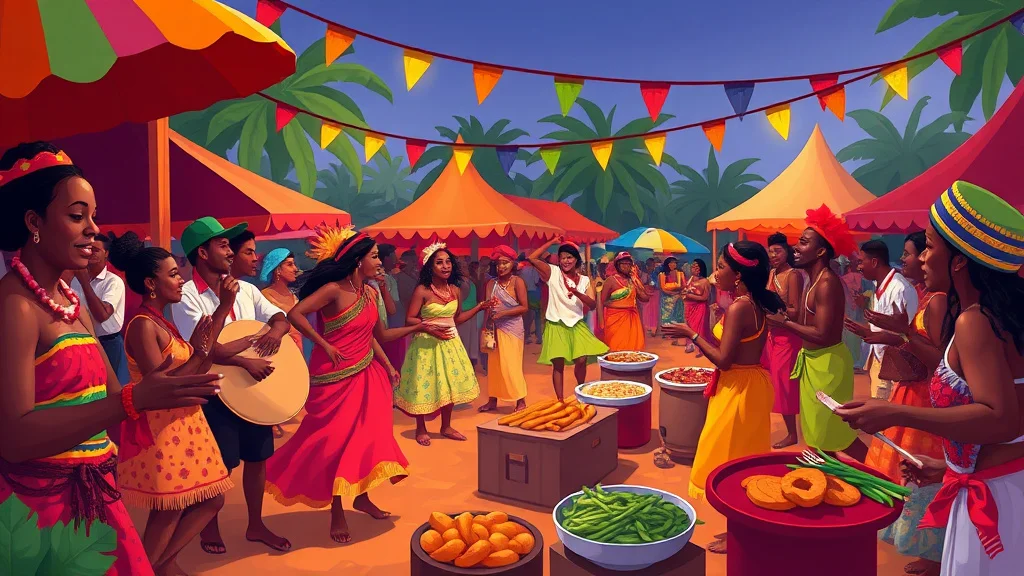
Hindu festivals in Suriname are vibrant, colorful, and deeply significant, often drawing large crowds and fostering community spirit. The two most celebrated festivals are Diwali and Phagwa.
Diwali: The Festival of Lights
Diwali, or Divali, is celebrated in October or November and marks the victory of light over darkness and good over evil. In Suriname, this festival is characterized by the lighting of oil lamps (diyas), fireworks, and the preparation of traditional sweets. Community members often decorate their homes and temples with colorful rangoli designs made from colored powders, rice, and flowers.
During Diwali, families gather for prayers, sharing sweets, and exchanging gifts. The atmosphere is filled with joy and camaraderie, and many local businesses participate by offering special items for the occasion. Expats are encouraged to join in the festivities, as it provides an excellent opportunity to experience the warmth of the Hindu community. Attending local Diwali events can also foster friendships and a sense of belonging in Suriname.
Phagwa: The Festival of Colors
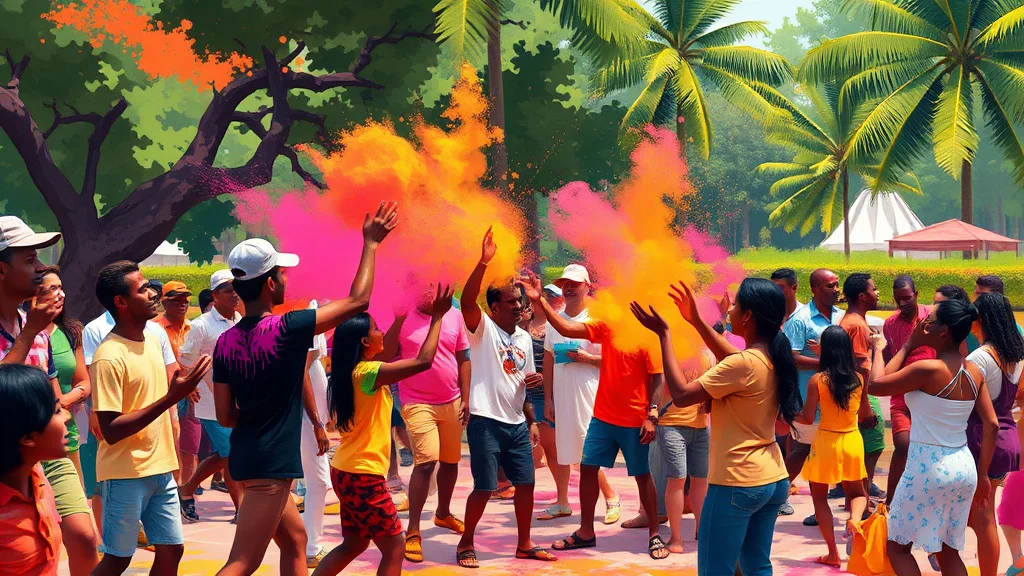
Phagwa, commonly known as Holi, is celebrated in March and signifies the arrival of spring. This festival is marked by the playful throwing of colored powders (gulal) among friends and family, symbolizing joy and the triumph of good over evil. Celebrations often take place in parks or large public spaces, where people gather for music, dance, and festivities.
In Paramaribo, Phagwa is celebrated with music, food stalls, and vibrant displays of color. Expats are warmly welcomed to join the celebrations, which underscore the importance of community and joy in Hindu culture. Participation in Phagwa not only allows expats to experience this unique aspect of Surinamese culture but also helps to break down social barriers.
Traditional Practices and Community Engagement
One of the most beautiful aspects of Hinduism in Suriname is the practice of gram dew puja, which is performed during the Navaratri festival. This ritual, rooted in village traditions, seeks blessings from local deities and emphasizes community well-being. Devotees gather at temples to participate in this ceremony, which involves offerings and communal prayers.
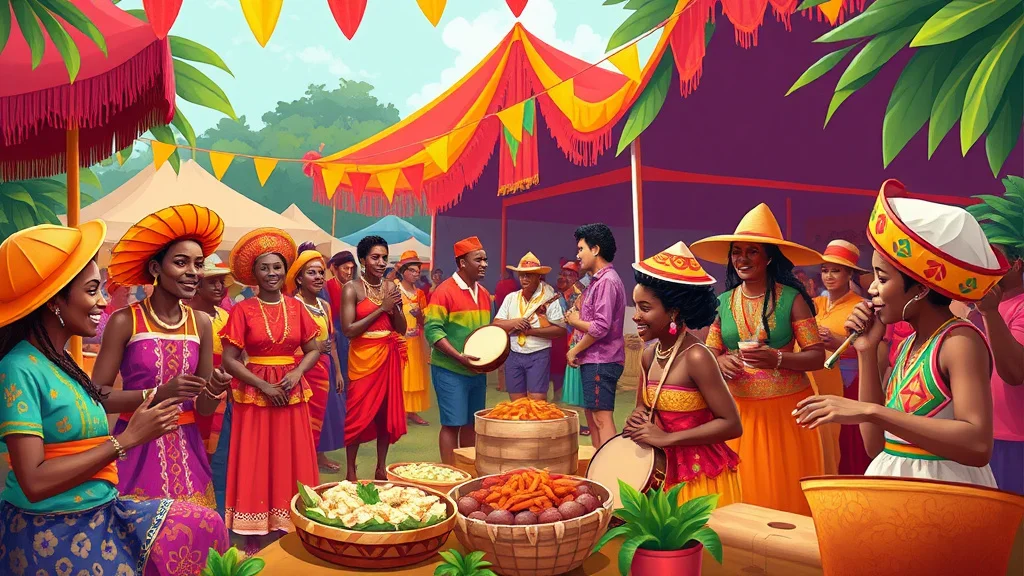
The ritual typically lasts for several hours and culminates with a communal meal, known as prasadam, where everyone shares a vegetarian feast. This practice nurtures community bonds and reinforces the idea that Hinduism is not just a personal faith but a collective experience. Expats can participate in such community rituals by volunteering or attending events, which enhances their cultural immersion.
Practical Tips: What Expats Should Know
For expatriates and families relocating to Suriname, understanding Hindu customs and practices can greatly enrich your experience. Here are some practical tips to keep in mind:
- Dress Modestly: When visiting temples, wear modest clothing that covers shoulders and knees. Traditional attire is often appreciated.
- Respect Rituals: Always remove shoes before entering a temple and observe the rituals quietly. Participation is encouraged, but be mindful of specific customs.
- Engage with the Community: Attend festivals and temple events to meet locals. It’s a great way to learn about Hindu culture and make new friends.
- Try Traditional Cuisine: Participate in communal meals during festivals, where you can enjoy traditional Hindu dishes that reflect the community’s culinary heritage.
- Ask Questions: Don’t hesitate to ask community members about their customs and practices. Most people appreciate curiosity and are happy to share their traditions.
Conclusion
Hinduism in Suriname is a vibrant expression of culture, spirituality, and community resilience. Through its temples and festivals, the Hindu community not only preserves its rich heritage but also fosters connections with the broader society. Expats in Suriname are encouraged to immerse themselves in this dynamic cultural landscape, participating in festivals and rituals that highlight the warmth and inclusivity of the Hindu community. By embracing these experiences, expatriates can enhance their understanding of Suriname's diverse culture while building lasting relationships.
AI-Generated Content: This article was created with AI assistance and may contain inaccuracies. Please verify important information with official sources.
Laatst bijgewerkt: juli 2026