
Deze gids is samengesteld met de nieuwste wetgevingsgegevens en geverifieerd door onze redactie. Wetgeving kan veranderen; raadpleeg altijd officiële bronnen voor definitieve bevestiging.
Relocating to Suriname offers a unique blend of cultural diversity and educational opportunities for expatriate families. As an expat parent, understanding the local education system is crucial for ensuring your children receive a quality education that meets their needs. This article will provide an in-depth look at the structure, challenges, and practical tips for navigating the education landscape in Suriname.
Overview of the Education System in Suriname
Suriname's education system is structured into several levels: primary, secondary, and tertiary education. Education is compulsory for children aged 4 to 12, typically covering primary school, which lasts for six years. The educational framework is heavily influenced by the Dutch system due to Suriname's historical ties, and the primary language of instruction is Dutch. However, local vernaculars, including Sranantongo, are also spoken, reflecting the multicultural fabric of the nation.
After primary school, students can choose various pathways in secondary education, which is divided into academic and vocational tracks. The academic track leads to higher education, while vocational training prepares students for specific jobs, providing practical skills that are in demand in the local economy.
Cultural Diversity in Education
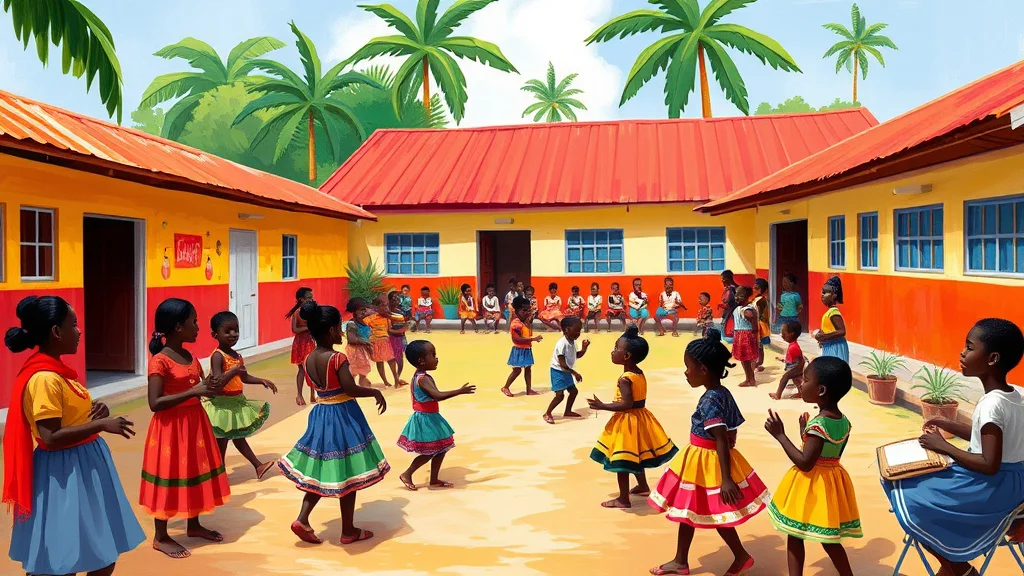
Suriname's education system reflects its rich cultural diversity, with students from various ethnic backgrounds, including Creole, Maroon, Javanese, Chinese, and indigenous peoples. This diversity enriches the educational experience, but it can also present challenges in terms of language and cultural integration. For expat families, understanding this dynamic is essential, as it can influence how their children adapt to school life.
Many schools celebrate cultural events, allowing students to learn about each other's backgrounds. This is beneficial for expat children who may find themselves in a multicultural classroom, fostering friendships and easing the transition into a new environment.
Types of Schools Available
Expat families in Suriname generally have access to several types of schools, including public schools, private international schools, and bilingual schools. Public schools are government-funded and follow the national curriculum, but they often face challenges such as limited resources and infrastructure issues, especially in rural areas.
Private international schools, primarily located in Paramaribo, offer a curriculum aligned with Western educational standards, often in English. These schools provide an excellent option for expat families seeking a familiar educational environment. However, tuition fees can be significant, so it's important to budget accordingly. Comparatively, while public schools are more affordable, they may not provide the same level of educational resources or extracurricular activities.
Curriculum and Language of Instruction
The curriculum in public schools emphasizes core subjects such as Dutch language, mathematics, science, and social studies, with the Dutch language being the primary medium of instruction. In private international schools, the language of instruction is typically English, and the curriculum may include International Baccalaureate (IB) programs, American or British educational systems, providing a more globally recognized qualification.
For expat parents, selecting a school that aligns with their children's language proficiency and future educational goals is crucial. If your children are not fluent in Dutch, an international school might be the preferable choice to ease their transition.
Challenges in the Education System
Despite the availability of educational opportunities, Suriname's education system faces several systemic challenges. Many schools, particularly in rural areas, suffer from inadequate facilities, such as a lack of running water, electricity, and teaching materials. These deficiencies can affect the quality of education and the overall learning environment.
Moreover, the dropout rate remains a significant issue. While approximately 90% of children enroll in school, only about 4 in 1,000 finish senior secondary school. High repetition rates and low graduation rates indicate a need for improvement in instructional quality and student support systems.
Expat parents may find that some local schools lack the resources to support children with special needs or those who may require additional academic assistance. In such cases, it is advisable to seek out schools that specialize in inclusive education or have support programs in place.
Educational Support and Resources
To navigate these challenges, expat families are encouraged to actively engage with the school community. Establishing relationships with teachers and school administrators can provide valuable insights into the educational environment and available resources. Many schools offer parent-teacher associations, where parents can participate in discussions about school improvement and student welfare.
In addition, several organizations and expat communities offer support networks for families navigating the education system. These groups can provide recommendations for schools, tutoring services, and extracurricular activities that align with your children's interests and needs.
Practical Tips for Expat Parents
Here are some practical tips for expatriate parents to consider when navigating Suriname's education system:
- Research Schools: Visit several schools and speak with other expat parents to gauge their experiences. Look for schools that prioritize a supportive learning environment and have resources for international students.
- Consider Language Support: If your children are not fluent in Dutch, inquire about language support programs at potential schools. Many international schools offer language immersion programs to help students adapt.
- Stay Involved: Participate in school events and parent-teacher meetings to stay informed about your children's progress and the school's initiatives. This involvement can also help foster a sense of community for your family.
- Explore Extracurricular Activities: Encourage your children to join clubs or sports teams, which can help them make friends and feel more connected to their new environment.
- Be Prepared for Differences: Understand that educational expectations and classroom dynamics may differ from what you are accustomed to. Flexibility and open-mindedness will greatly assist your children in adapting to their new educational setting.
Conclusion
Understanding Suriname's education system is essential for expat parents seeking the best opportunities for their children. By familiarizing themselves with the types of schools available, recognizing challenges, and utilizing practical resources, parents can navigate the educational landscape more effectively. Embracing the cultural richness and diversity of Suriname can enhance your family's experience and help your children thrive academically and socially in their new home.
AI-Generated Content: This article was created with AI assistance and may contain inaccuracies. Please verify important information with official sources.
Laatst bijgewerkt: juli 2026