Deze gids is samengesteld met de nieuwste wetgevingsgegevens en geverifieerd door onze redactie. Wetgeving kan veranderen; raadpleeg altijd officiële bronnen voor definitieve bevestiging.
Suriname’s Creole culture is a rich tapestry woven from its history, diverse population, and vibrant traditions. This guide will explore the essence of Creole culture in Suriname, highlighting its historical context, social practices, festivals, and essential etiquette tips for expatriates. Understanding these cultural nuances will enhance your experience in this beautiful tropical nation.
Historical Context of Creole Culture
Creole culture in Suriname primarily stems from the African diaspora, particularly the descendants of enslaved Africans who were brought to the region during the colonial era. These individuals formed unique communities that preserved their cultural identities through language, music, dance, and food. The Maroons, descendants of escaped slaves, also play a significant role in the Creole identity, blending African heritage with elements from the indigenous peoples of Suriname.
The term "Creole" itself refers to people of mixed descent, and in Suriname, Creoles are primarily of African ancestry but have integrated various influences from the indigenous population, Dutch colonizers, and other immigrant groups. This blending of cultures has resulted in a unique way of life that is evident in the language, cuisine, and festivals celebrated throughout the country.
Language and Communication
In Suriname, Sranan Tongo serves as the lingua franca among the Creole population, although Dutch is the official language. Sranan Tongo is a Creole language that incorporates elements from English, Dutch, and various African languages, reflecting the country’s multicultural roots. It is widely spoken in informal settings and is a key aspect of Surinamese identity.
For expatriates, learning a few basic phrases in Sranan Tongo can go a long way in building rapport with locals. Familiarize yourself with greetings and common expressions to enhance your interactions. For instance, "Odi" means "hello," while "Fa waka?" translates to "How are you?" This effort can demonstrate respect for the local culture and foster goodwill among the community.
Festivals and Celebrations
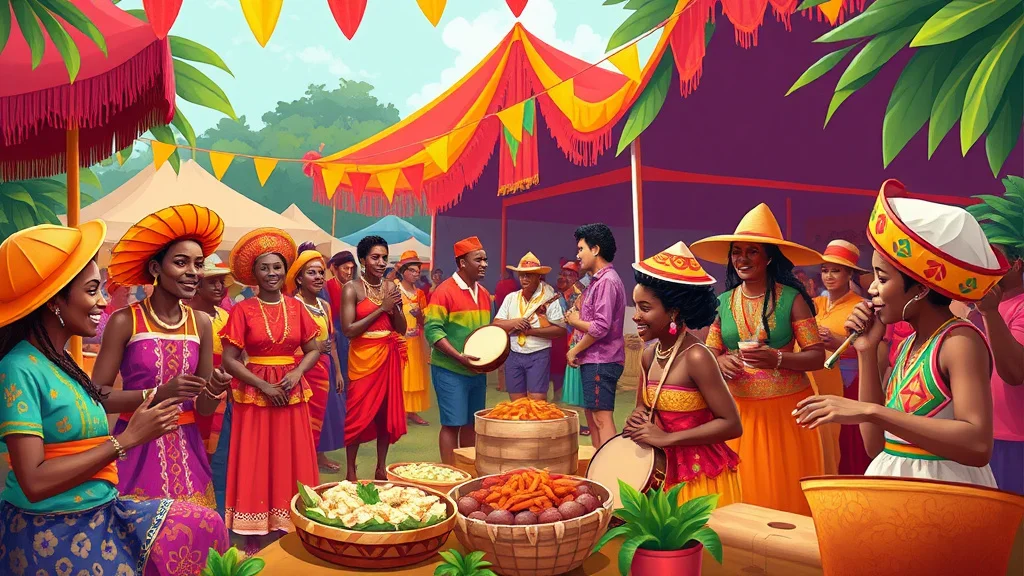
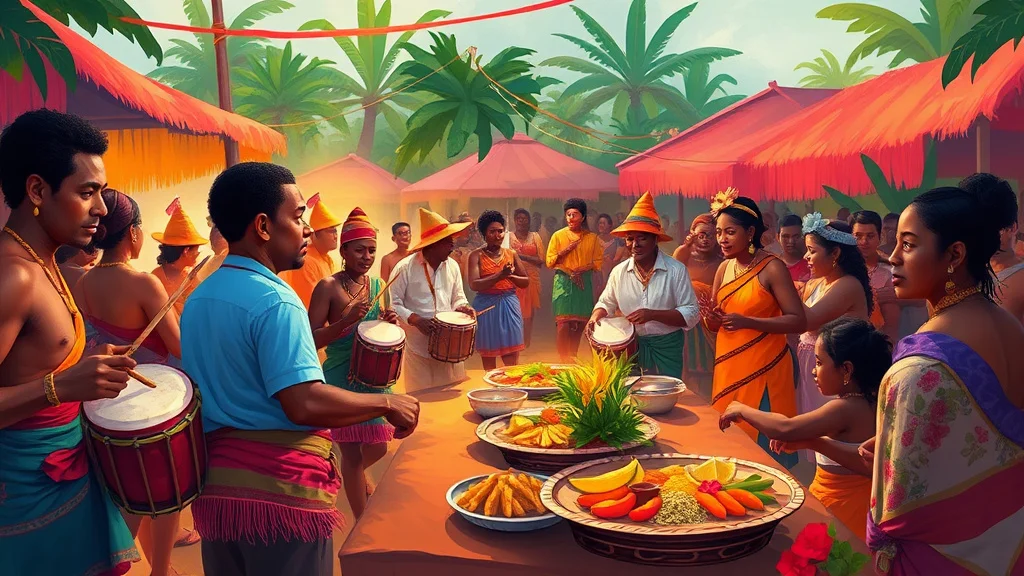
Creole culture in Suriname is vibrant and visible during various festivals throughout the year. One of the most significant celebrations is Keti Koti, held on July 1st, which commemorates the abolition of slavery in 1863. This national holiday is marked by parades, cultural performances, and communal feasts, serving as a poignant reminder of the country’s history and the resilience of its people.
Another important event is Maroon Day, celebrated on October 10th. This festival honors the history and culture of the Maroon communities, featuring traditional drumming, storytelling, and dance. It is a time for reflection on the struggles and triumphs of the Maroon ancestors and is celebrated in the lush surroundings of the jungle, where many of these communities reside.
Phagwa, or Holi, is also celebrated by the Hindustani community in March, showcasing the multicultural aspect of Suriname. This festival of colors is a joyful event marked by throwing colored powders, music, and dance, emphasizing unity among different ethnic groups.
Cuisine: A Cultural Mosaic
The culinary landscape of Suriname is a direct reflection of its diverse cultures, with Creole cuisine being a prominent feature. Dishes like pom, a savory casserole made with chicken and cassava, showcase the fusion of local and African influences. Roti, introduced by the Hindustani community, is also popular and often served with various curries.
Communal meals are common in Creole culture, emphasizing family and community ties. When invited to a local home for dinner, it's customary to bring a small gift, such as fruit or dessert, as a token of appreciation. Sharing food is a way to connect with locals and learn more about their heritage.
Etiquette Tips for Expatriates
Understanding local customs and etiquette is vital for expatriates looking to navigate Creole culture effectively. Greetings typically involve a handshake accompanied by a friendly smile. When meeting someone for the first time, it’s polite to ask about their well-being and family, as these topics are essential in building relationships.
Respect for cultural traditions is paramount. Participating in local festivals and events is encouraged, as it demonstrates appreciation for the culture. However, it is important to approach these events with sensitivity and respect, especially when it comes to religious or historical ceremonies.
When discussing sensitive topics such as race, history, or politics, it is best to listen more than speak, allowing locals to express their views without imposing your own perspectives.
What Expats Should Know
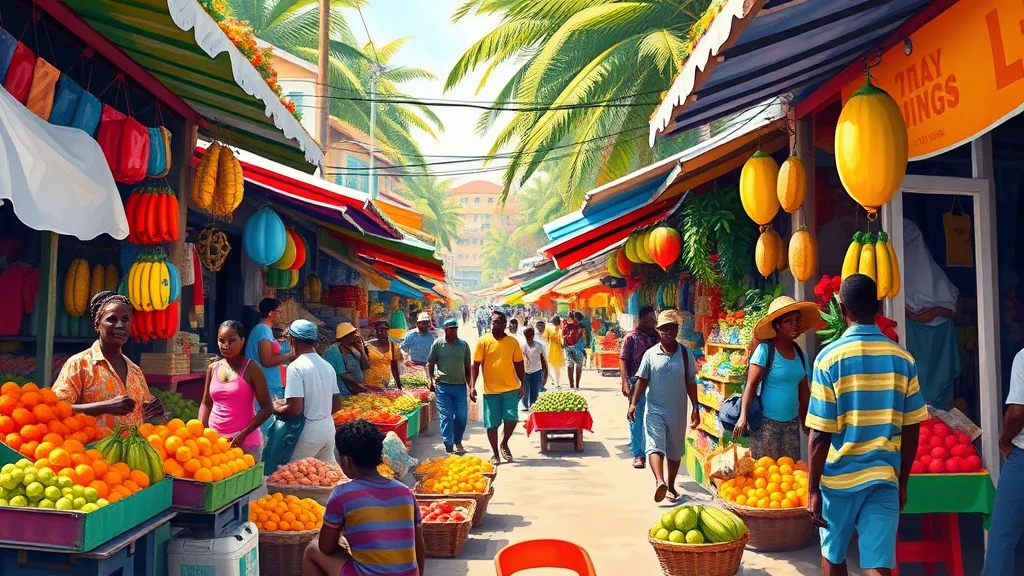
Embracing the Creole culture in Suriname can significantly enrich your expatriate experience. Engage with the local community by visiting markets, attending cultural events, and exploring the diverse neighborhoods of Paramaribo. This will provide opportunities to learn firsthand about the traditions and practices that define Surinamese life.
Moreover, consider joining community organizations or social groups where you can meet locals and other expatriates. These connections can offer invaluable insights into navigating life in Suriname while also fostering friendships that can last a lifetime.
In conclusion, Creole culture in Suriname is a dynamic blend of history, language, cuisine, and traditions that reflects the country’s rich diversity. By understanding the historical context, participating in festivals, and adhering to local etiquette, expatriates can immerse themselves in this vibrant culture and foster meaningful connections within the community.
AI-Generated Content: This article was created with AI assistance and may contain inaccuracies. Please verify important information with official sources.
Laatst bijgewerkt: juli 2026