
Deze gids is samengesteld met de nieuwste wetgevingsgegevens en geverifieerd door onze redactie. Wetgeving kan veranderen; raadpleeg altijd officiële bronnen voor definitieve bevestiging.
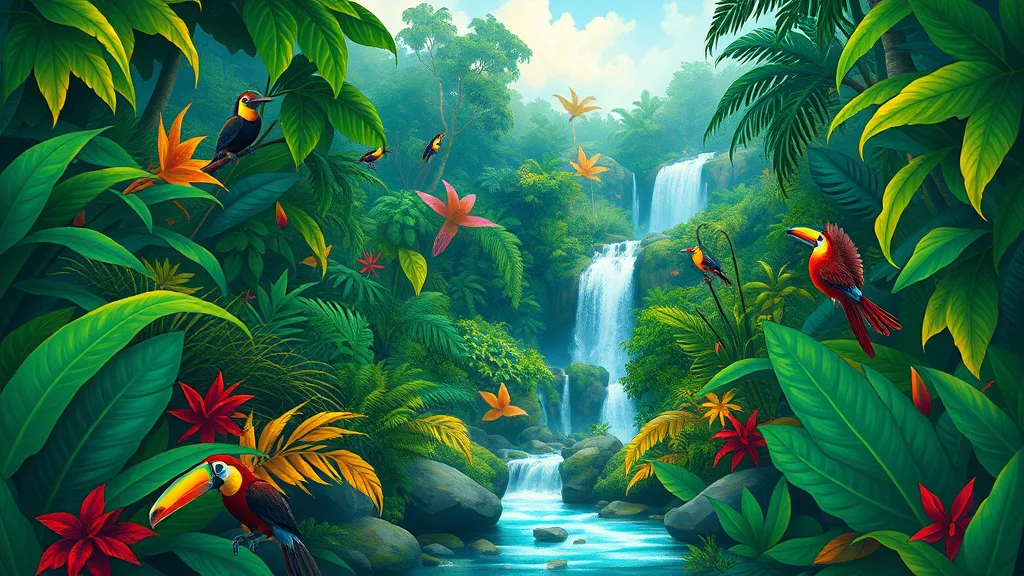
The Central Suriname Nature Reserve is a breathtaking expanse of untouched rainforest, offering a unique blend of adventure and serenity for expatriates and nature lovers. Spanning 1.6 million hectares, the reserve is a UNESCO World Heritage Site known for its rich biodiversity and pristine ecosystems. This guide will provide practical insights on how to access the reserve, highlights to explore, and essential tips for making the most of your visit.
Overview of the Central Suriname Nature Reserve
Located in the heart of Suriname, the Central Suriname Nature Reserve is a remarkable destination for anyone seeking to immerse themselves in nature. Established in 1998, the reserve encompasses several ecosystems, ranging from lowland rainforests to montane forests. It is home to nearly 6,000 species of vascular plants and around 1,890 vertebrate species, many of which are endemic to the Guyana Shield region.
The reserve is divided into three main areas: the Raleighvallen, Tafelberg, and Eilerts de Haan Nature Reserves. Each area offers a unique landscape and experience. Visitors can expect to encounter a variety of wildlife, including howler monkeys, capuchins, and a diverse range of bird species. The reserve’s remote location and limited infrastructure make it feel like an untouched paradise, ideal for those looking to escape the hustle and bustle of urban life.
Getting There: Accessibility and Transport Options
Accessing the Central Suriname Nature Reserve typically requires some planning. The nearest major city is Paramaribo, situated approximately 130 to 330 kilometers away, depending on the chosen entry point. The most common methods of transportation are by boat or small plane. For those traveling by boat, it is advisable to arrange your trip through a local service provider, as the river routes can be complex and challenging to navigate. Expect to spend several hours traveling through waterways to reach the reserve.
If you prefer a quicker option, several airlines offer flights from Johan Adolf Pengel International Airport (PBM) to nearby airstrips, such as the one in Kabalebo. Flights are frequently booked in advance, especially during peak tourist seasons. Once you arrive, local guides and eco-resorts can help arrange transportation to various points within the reserve, ensuring you maximize your time exploring its wonders.
Highlights of the Reserve: Must-See Attractions
Voltzberg: A Granite Insellberg
One of the standout features of the Central Suriname Nature Reserve is Voltzberg, a prominent granite inselberg that can be reached by a half-day hike. The trail to the summit is well-marked, but it can be steep and challenging in places, so ensure you are prepared with proper hiking footwear and plenty of water. At the top, you’ll find a wooden observation platform offering stunning panoramic views of the surrounding canopy. Wildlife enthusiasts will appreciate the chance to spot howler monkeys and various raptor species nesting near the summit.
Raleigh Falls: A Natural Wonder
Raleigh Falls presents a dramatic set of rapids and rocky pools, accessible primarily by boat. The journey to the falls provides an opportunity to witness the raw beauty of the rainforest and its diverse wildlife along the riverbanks. Bring your camera, as the scenery is particularly photogenic, especially during sunrise or sunset. The river margins serve as great spots for birdwatching, where you may catch sight of exotic birds, turtles, and even giant river otters. Many expedition groups include a stop at Raleigh Falls for picnicking and swimming, so consider packing a meal to enjoy in this serene setting.
Tafelberg: Suriname's Table Mountain
Tafelberg, or Table Mountain, is another fascinating feature of the reserve that stands at 1,026 meters high. The unique geology of this mountain creates a high plateau, hosting a distinct ecosystem that differs from the surrounding rainforest. A visit here typically involves a challenging trek, but the rewards are well worth it. The plateau is home to endemic plant species and offers a striking contrast to the lush forests below. Make sure to pack sturdy hiking gear and confirm trail conditions with local guides before setting out, as the weather can impact accessibility.
Climate and Seasonal Considerations
Suriname’s tropical climate means that visitors can expect warm temperatures throughout the year, typically ranging from 27 to 32°C (80-90°F). However, the country experiences two main seasons: the rainy season (April-August and November-February) and the dry season (February-April and August-November). Planning your visit during the dry season may afford you better trail conditions, though the rainforest is particularly vibrant during the rainy season.
Be mindful of the humidity, which can lead to fatigue during hikes. Carry ample water, wear breathable clothing, and consider insect repellent to protect against mosquitoes, especially in the evenings when they are most active. Always check weather forecasts before you travel, as conditions can change rapidly in tropical regions.
Safety Considerations
While the Central Suriname Nature Reserve is generally safe for tourists, it is essential to exercise caution. Navigating the trails without a guide can lead to disorientation, as trail markers may not always be visible. Hiring a local guide is advisable for those unfamiliar with the area. Additionally, be cautious near water bodies, as currents can be strong, and swimming should only be done in designated areas.
It’s essential to inform someone of your plans before venturing into remote areas, especially if you plan to hike to the more isolated sections of the reserve. When exploring, carry a first-aid kit, a reliable map or GPS device, and ensure your phone is charged for emergencies.
Practical Tips for Expats Visiting Central Suriname Nature Reserve
- **Plan Ahead:** Due to limited access, it’s advisable to book accommodations and transport in advance. Look for eco-lodges or camps that offer guided tours to help you navigate the reserve.
- **Pack Essentials:** Bring along lightweight camping gear, sufficient food and water supplies, insect repellent, sunscreen, and a comprehensive first-aid kit. A good pair of binoculars can enhance your wildlife viewing experience.
- **Respect the Environment:** Follow Leave No Trace principles to help preserve the reserve's natural beauty. Stay on marked trails, do not disturb wildlife, and take all waste with you.
- **Engage with Locals:** Interact with local communities and guides to gain insights into the area’s ecology and culture. Their knowledge can enrich your experience and provide a deeper appreciation for the rainforest.
In conclusion, the Central Suriname Nature Reserve is a spectacular destination for anyone looking to explore the raw beauty of Suriname’s wilderness. With its diverse ecosystems, rich wildlife, and opportunities for adventure, it offers a unique experience for expatriates and travelers alike. By planning ahead, respecting the environment, and immersing yourself in the local culture, your visit to this remarkable reserve will undoubtedly be a memorable one.
AI-Generated Content: This article was created with AI assistance and may contain inaccuracies. Please verify important information with official sources.
Laatst bijgewerkt: juli 2026