Deze gids is samengesteld met de nieuwste wetgevingsgegevens en geverifieerd door onze redactie. Wetgeving kan veranderen; raadpleeg altijd officiële bronnen voor definitieve bevestiging.
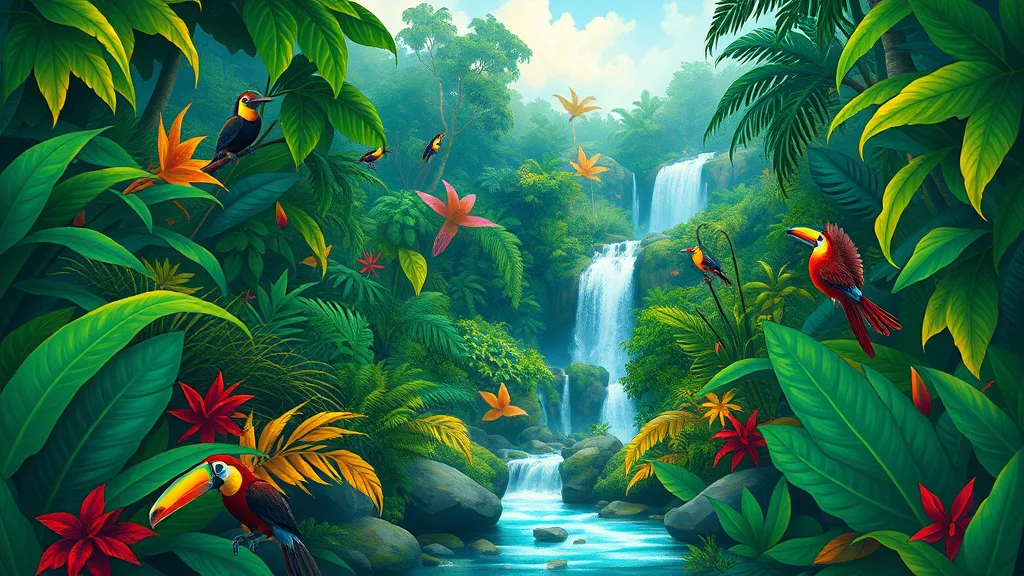
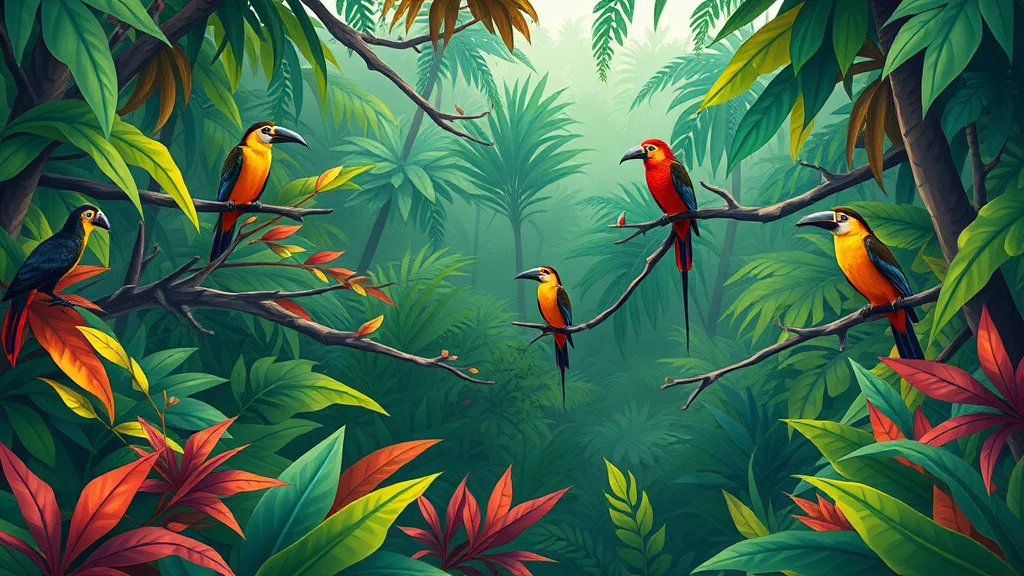
Suriname is a hidden gem for bird watching enthusiasts, boasting a diverse avifauna set against a backdrop of pristine rainforests and unique ecosystems. With over 400 bird species, including many rare and endemic varieties, this tropical paradise offers international professionals, digital nomads, and families alike a chance to explore its vibrant natural beauty. In this article, you'll discover the best bird watching spots in Suriname, practical advice on accessibility, and what to expect during your birding adventures.
Brownsberg Nature Park
Brownsberg Nature Park, located approximately 130 km south of Paramaribo, is a premier destination for bird watchers. This park covers an area of about 12,000 hectares and is home to an impressive array of bird species. The park's elevated location provides stunning views of the surrounding rainforest and offers opportunities to spot elusive species like the Guianan Cock-of-the-Rock and the Blood-colored Woodpecker.
During your visit, take advantage of the park's well-maintained trails. The best time to bird watch here is typically from December to April, coinciding with the breeding season of many species. Expect to see around 300 bird species, including the striking Green Aracari, Crimson Fruitcrow, and several types of manakins. Guided tours are available, providing valuable insights into the local birdlife and ecosystem. Remember to dress appropriately for the warm, humid climate, and carry plenty of water and snacks for your adventure.
Accessibility and Transport
To reach Brownsberg Nature Park, you can rent a vehicle or book a guided tour from Paramaribo. The drive takes about two to three hours, with parts of the road being unpaved. Be sure to check the vehicle's suitability for off-road conditions if you're driving yourself. Once at the park, there are basic accommodations available for those who wish to stay overnight, allowing for early morning bird watching excursions.
Paramaribo and Surrounding Areas
While Brownsberg Nature Park is a must-visit, don't overlook the birding opportunities near Paramaribo, the capital city. The coastal mangroves and wetlands are home to species like the Scarlet Ibis and the Least Bittern. The Warapa Creek area, located just outside the city, offers a serene environment for bird watching and is typically less crowded than the more popular spots.
The best time to visit these areas is during the dry season from August to November when migratory birds are present. Local guides can help you navigate the wetlands, ensuring you don't miss out on hidden gems such as the Ash-throated Crake and various heron species. Bring binoculars and a field guide for identifying species, and consider visiting a few local restaurants afterward for a taste of Surinamese cuisine.
Safety and Considerations
When bird watching near Paramaribo, it’s important to be aware of your surroundings. Stick to well-trodden paths and avoid wandering too far into dense vegetation, especially in the evenings when visibility decreases. Always inform someone about your plans and travel in a group when possible. Carry mosquito repellent and wear long sleeves to protect against insect bites.
Cola Creek and the Savannah
Cola Creek is another prime birding location in Suriname, particularly known for its savanna ecosystem. Located about 150 km from Paramaribo, this area is accessible via guided tours that often combine travel to Brownsberg with visits to the savanna regions. The unique habitat supports a different array of bird species, including the Gray-winged Trumpeter and various parrots.
Birding in Cola Creek is best from February to April, a time when many species are actively nesting. Expect to encounter birds that thrive in open habitats, such as the Guianan Red-Cotinga and the Red-fan Parrot. The vast open spaces make it easier to spot these species, especially if you bring a telescope for a closer look.
Transport and Amenities
Traveling to Cola Creek typically involves a combination of road travel and boat rides, depending on your route. Guided tours often include transportation, meals, and accommodation. While amenities are more limited in this area than in Paramaribo, some local lodges offer basic accommodations for bird watchers looking to immerse themselves in nature.
Fredberg Nature Reserve
Fredberg Nature Reserve is located south of Paramaribo and offers incredible bird watching opportunities. This reserve is often less frequented by tourists, providing a more intimate experience with nature. It is home to unique species such as the Black-banded Owl and various types of toucans. Birding here can be particularly rewarding, especially if you're seeking to add rare species to your life list.
Fredberg is accessible via guided tours that also include transportation from Paramaribo. The best time to visit is during the dry season when the birds are more active and visible. The dense forest provides ample opportunities for spotting colorful species, including the elusive Guianan Toucanet. Keep an eye out for the rare White-throated Pewee, which has recently been spotted in this area.
What to Expect
Expect to spend a full day or more in Fredberg Nature Reserve, as bird watching often requires patience and attentiveness. Bring water, snacks, and insect repellent, and prepare for a day of exploration. Local guides can provide invaluable assistance in spotting birds, as their knowledge of the area enhances your experience.
Practical Tips for Bird Watching in Suriname
As an expatriate living in Suriname or a visitor, you’ll find bird watching to be a rewarding experience. Here are some practical tips to enhance your birding adventures:
- Timing is Key: Plan your outings early in the morning or late afternoon when bird activity is at its peak.
- Use Binoculars: A good pair of binoculars is essential for spotting distant birds. Consider also bringing a scope for larger areas.
- Stay Hydrated: The tropical climate can be humid and hot. Always carry water to stay hydrated during your birding trips.
- Respect Nature: Follow local guidelines to protect wildlife and their habitats. Avoid disturbing nesting sites or rare species.
- Connect with Local Birding Groups: Joining local birding clubs can enhance your experience and provide opportunities for guided tours and social connections.
Conclusion
Suriname offers a rich tapestry of bird watching opportunities, from the dense rainforests of Brownsberg Nature Park to the savannas of Cola Creek. With careful planning, you can experience the incredible diversity of bird life that this tropical paradise has to offer. Whether you're an experienced birder or just starting, Suriname's unique ecosystems provide a perfect backdrop for adventure and discovery.
AI-Generated Content: This article was created with AI assistance and may contain inaccuracies. Please verify important information with official sources.
Laatst bijgewerkt: juli 2026